The pillar guide
How to choose your first sewing machine
The five questions that actually decide which machine suits you, answered in order.
How to choose a machine, how the machine works, and what to make first - in that order.
These guides are written for someone who has never threaded a bobbin. That is a deliberate and slightly unusual choice: most sewing writing assumes a vocabulary its reader does not have yet, which is why so many beginners conclude they are bad at something they have not been taught.
Nothing here assumes you know what a presser foot is. That is not the same as assuming you cannot follow an argument.
There is a sequence, and following it will save you time.
First, choose a machine. How to choose your first sewing machine is the pillar of this whole site: five things that matter, in the order they matter. Alongside it, mechanical vs computerized settles the dials-or-screen question, and how much to spend describes where the floor of usable quality sits without quoting a price that would be stale by next week.
Then learn the parts. The glossary is the translation layer for everything the manual says; the guides on needles, bobbins, presser feet and stitches cover the four components you will touch every session.
Then make something. What to sew first is more important than it looks: the strongest predictor of whether someone keeps sewing is whether their first project got finished.
If you read nothing else here, read this. Almost every problem a beginner has in the first month is one of three things: the machine was threaded with the presser foot down, the needle is blunt or the wrong type, or there is lint packed into the bobbin race.
Not tension. Not a fault. Not you. Those three, in roughly that order of frequency. Our troubleshooting section works through the symptoms in the words a beginner would actually use them.
A serger. A large accessory megapack. Two hundred stitches. An expensive machine. Each of those is the subject of a guide here, and in every case the honest answer is “later, if at all” - do you need a serger is the clearest example.
What you do need is an iron, decent thread and fresh needles. Between them they cost a fraction of any accessory and improve your results more than any of it.
Read these before you buy. They are the questions that decide which machine belongs in your house.
The pillar guide
The five questions that actually decide which machine suits you, answered in order.
The format decision
What each type is actually like to live with, and the honest answer for people who cannot decide.
Top pick: Brother CS7000X
The brand question
Brother owns computerized convenience; Singer owns thick fabric. The model still matters more than the badge.
Top pick: Brother CS7000X
The budget question
What each price tier buys, where the floor is, and the point at which extra money stops helping a beginner.
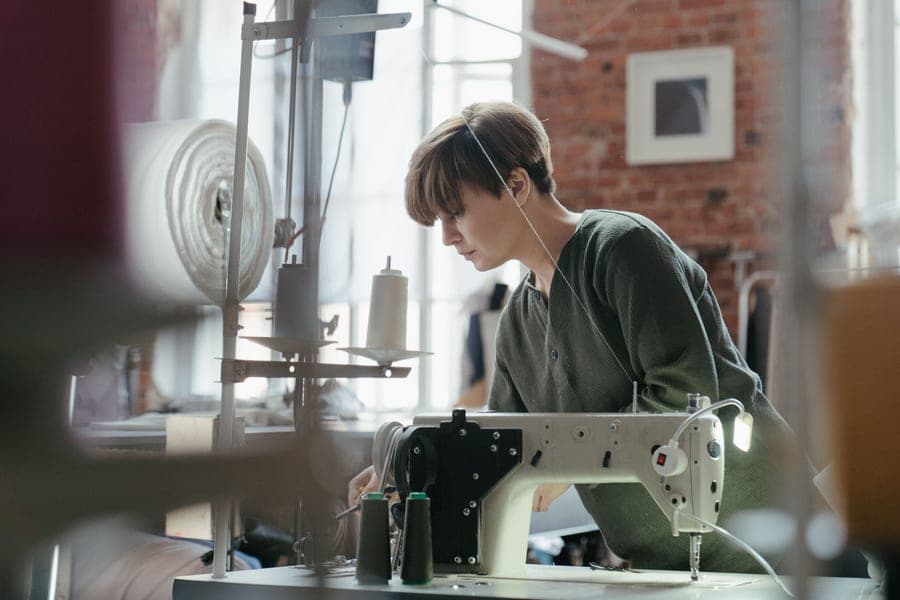
Best affordable
Inexpensive machines that still work properly, and the point at which spending more starts to pay.
Top pick: Brother XM2701
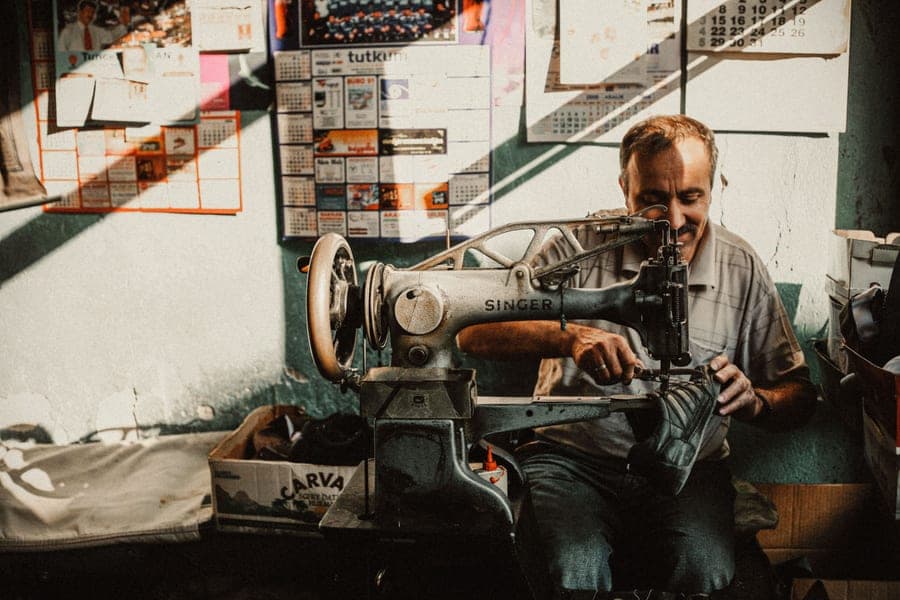
New or secondhand
What to check on a used machine before you pay, and when a new machine with a warranty is the safer purchase.
Read these in the first week. They translate the vocabulary the manual assumes you already have.

Glossary
The vocabulary manuals assume you have, defined plainly and grouped by where you meet it.
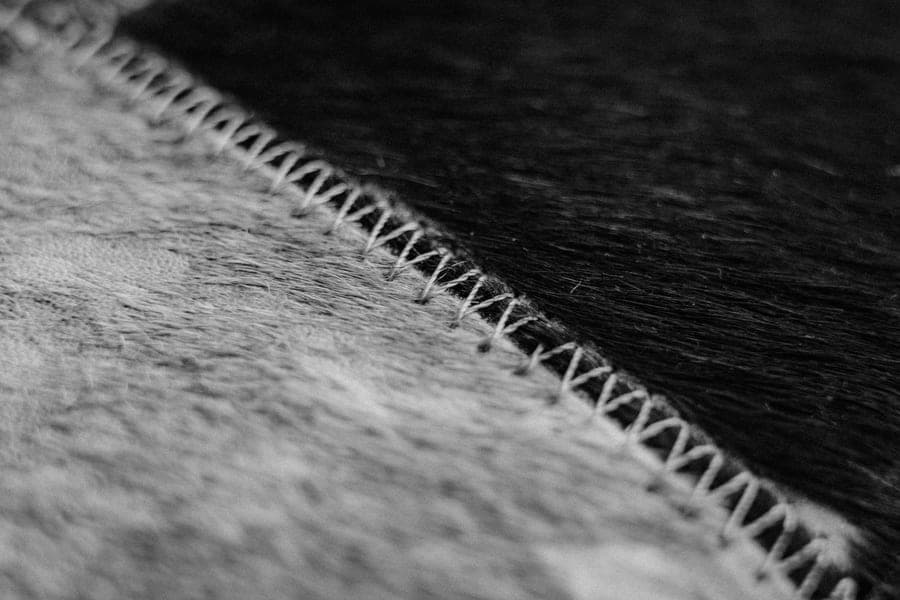
Stitch reference
The six stitches that do nearly everything, what stitch length and width change, and why stitch count is marketing.
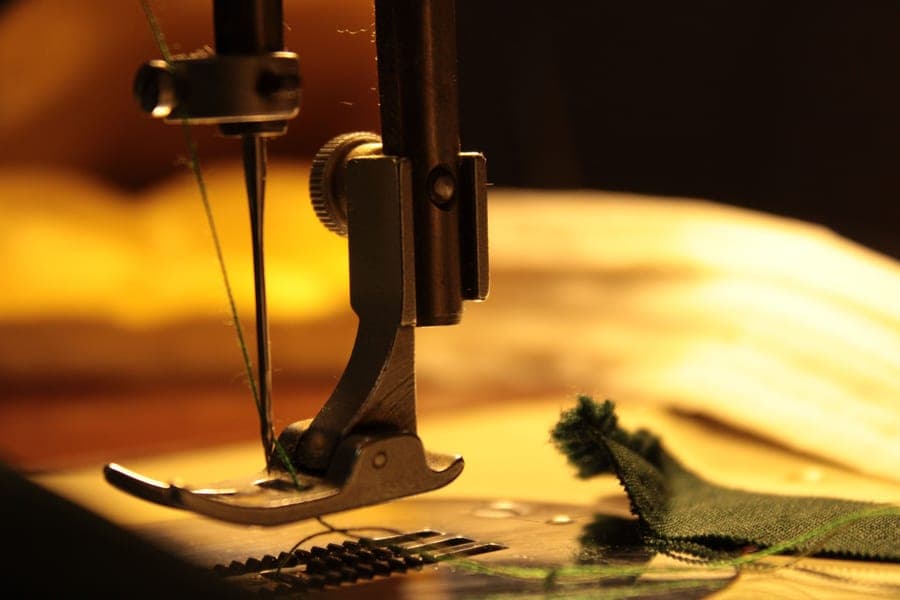
Needle reference
Which needle size for which fabric, what the two numbers mean, and when to change it.
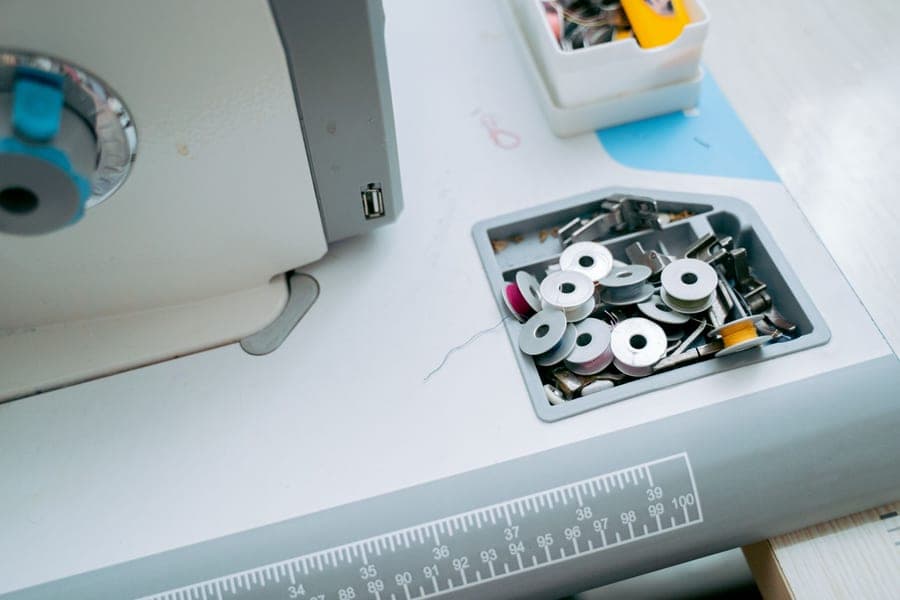
Bobbin reference
Drop-in versus front-loading, why bobbin size is not interchangeable, and how to wind one properly.
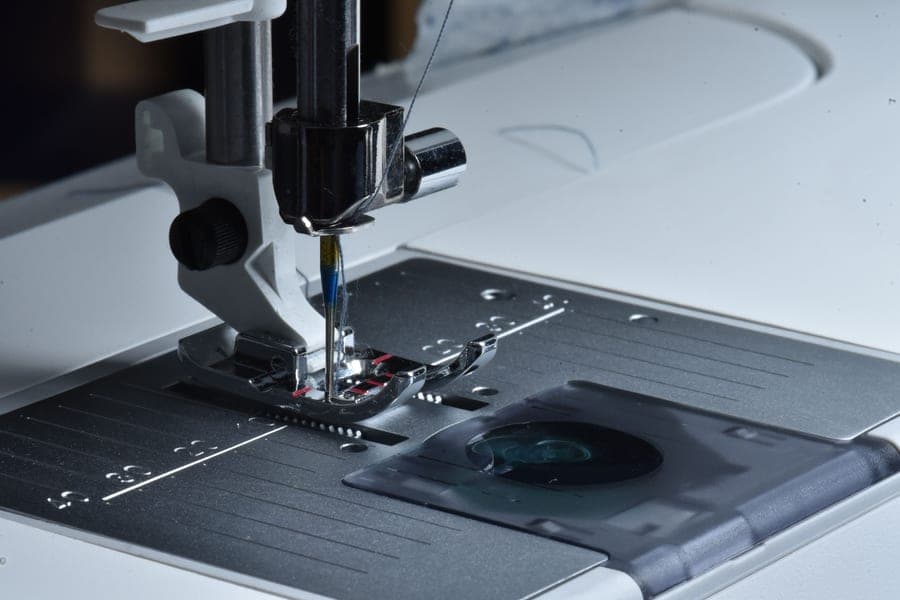
Accessory reference
What every foot in the box does, the four you will use, and the two worth adding.
Read these once the machine is on the table. What to make, how to look after it, and what you do not need yet.
First projects
What makes a first project forgiving, five that work, and the ones that end up unfinished.
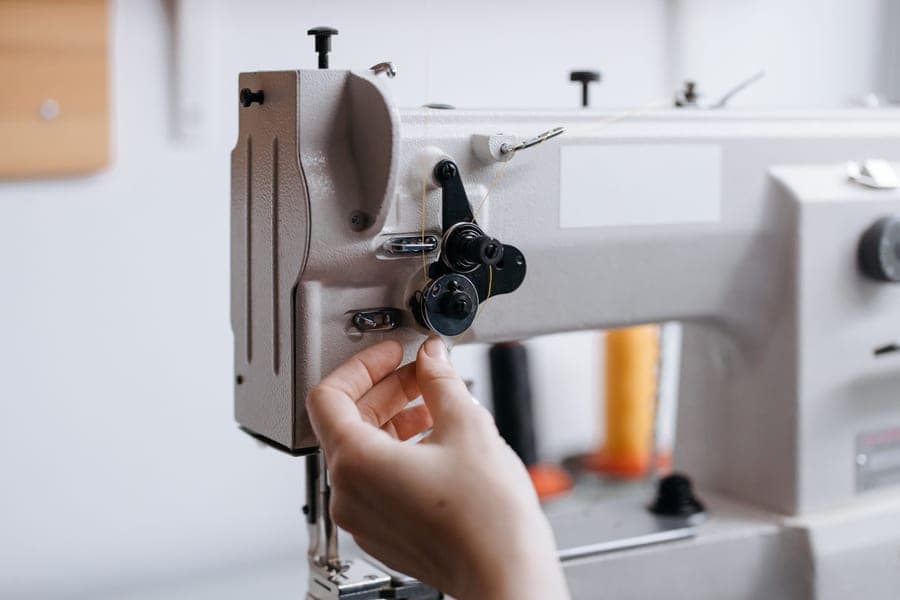
Maintenance guide
What to clean, how often, what never to use, and when the machine genuinely needs a professional.
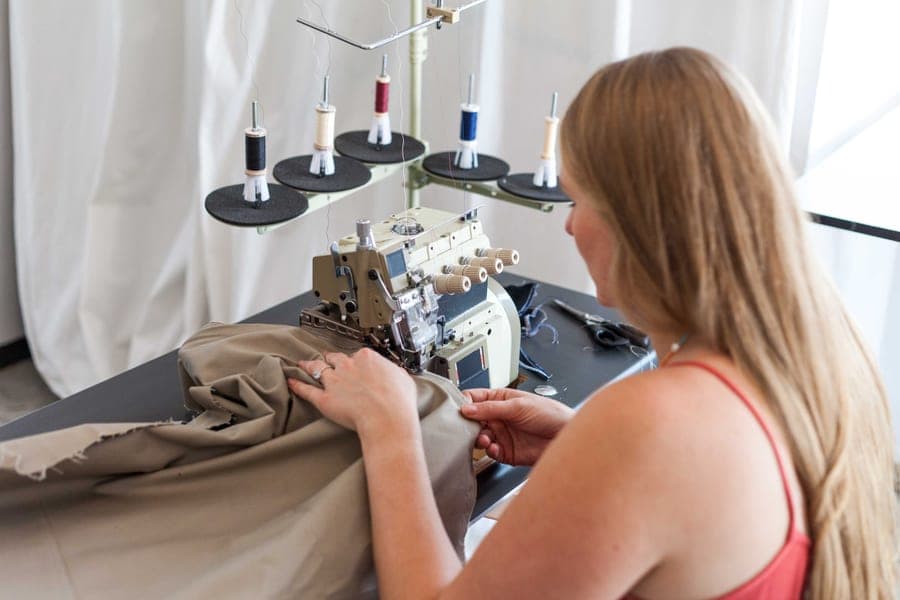
The serger question
What a serger does that your machine cannot, and why it is almost never the right second purchase.