Guides · Thread explained
What thread to use on a sewing machine
One spool of mid-weight polyester handles almost everything. The exceptions are worth knowing, and cheap thread is not one of them.
By Michael W. · Published
Disclosure: this page contains affiliate links. As an Amazon Associate, StitchStarter earns from qualifying purchases at no extra cost to you. We do not display prices - they change daily, so every button opens the live listing. It never changes which machines we recommend. Full disclosure.
Quick picks
The short answer. Every pick is explained in full below, including who should skip it.
| # | Product | Best for | Score | Price |
|---|---|---|---|---|
| 1 | 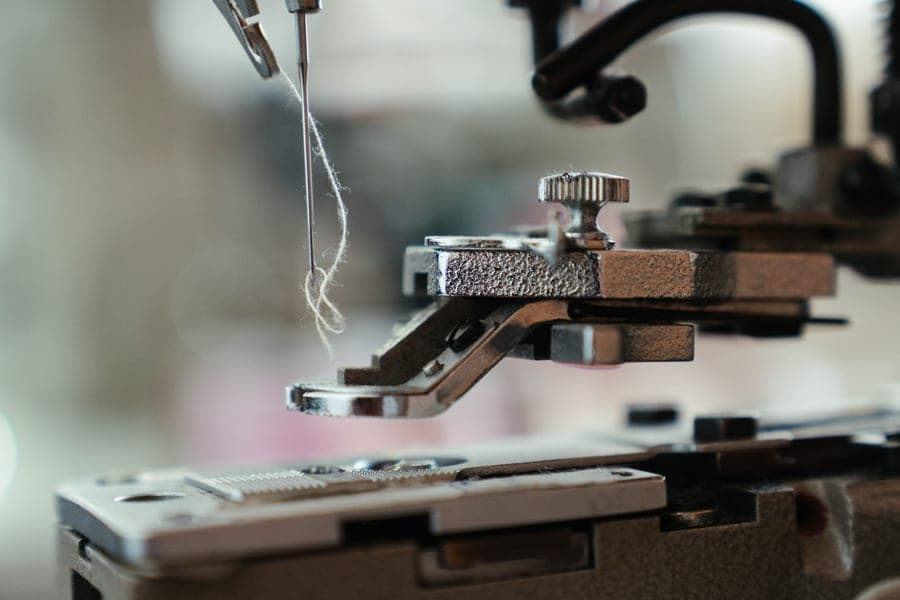 Brother CS7000XTension that copes with whatever you put on it, and slow speed to match. Brother CS7000XTension that copes with whatever you put on it, and slow speed to match. | Most forgiving on thread | 8.2 | |
| 2 | 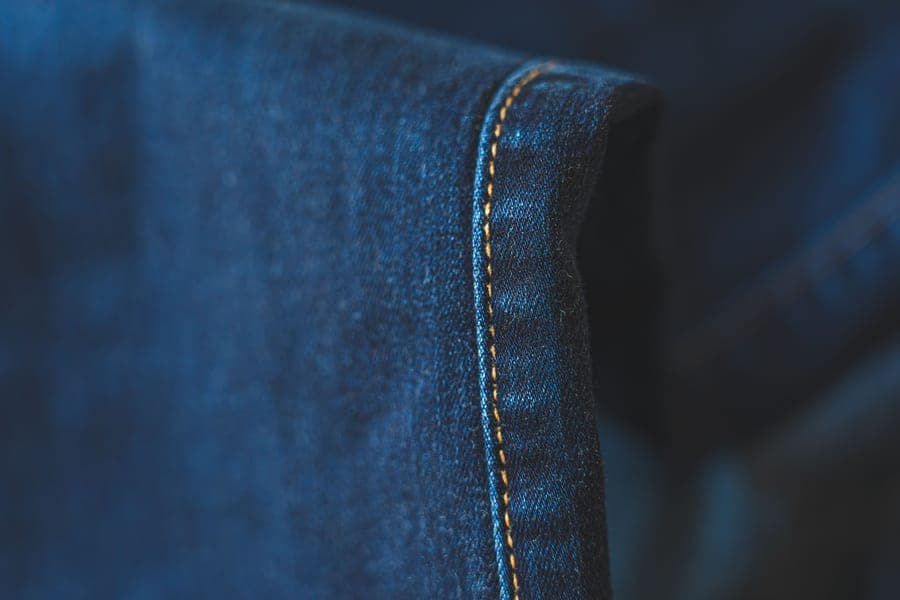 Singer Heavy Duty 4423Pulls topstitch thread through thick fabric without complaint. Singer Heavy Duty 4423Pulls topstitch thread through thick fabric without complaint. | Best for heavy thread | 7.8 |
Scores are our editorial judgment on six axes, explained on the methodology page. We do not run a test lab and never claim to.
For nearly all beginner sewing, use a good-quality all-purpose polyester thread, weight 40 or 50, in the needle and the bobbin. One spool of that handles cotton, poplin, linen, jersey, denim and almost every garment or home project you will start with. Thread is the cheapest thing in the room and the component most likely to be causing a fault you are blaming the machine for.
The exceptions are few and specific, and the rest of this page is them.
Polyester or cotton?
Polyester is strong, has a little stretch and does not rot. The stretch is the reason it is the right default: a seam under strain gives slightly instead of snapping, which matters on garments and matters a great deal on knits. Use it unless you have a reason not to.
Cotton has essentially no stretch and a matte finish. Quilters prefer it because a cotton thread in a cotton quilt ages and washes the same way the fabric does, and because it presses flatter. It is the right choice for quilting and for heirloom work, and the wrong one for a stretchy seam.
Avoid the nylon thread sold for upholstery unless that is what you are doing - it is strong and stiff and behaves badly in a domestic tension system. And avoid the bargain-bin cotton thread on a wooden spool at the back of a drawer; old cotton thread goes brittle and snaps.
What thread weight numbers mean
Thread weight is counter-intuitive: a higher number means a finer thread. The number is roughly how many kilometres of that thread weigh a kilogram, so more length per kilogram means thinner thread.
Thread weights and what they are for.
If you buy one thread, buy weight 40 all-purpose polyester. If you buy two, make the second a topstitch thread in a contrasting colour for jean hems and bag edges - it is the thread that makes homemade work look deliberate.
Thread and needle go together
This is the part people miss, and it causes the majority of thread-related faults. The thread has to pass freely through the eye of the needle and through the hole the needle makes in the fabric. Too heavy a thread in too small a needle causes fraying, shredding and breakage - and it looks exactly like a tension problem.
A size 14 needle suits weight 40 all-purpose thread on most fabrics. Topstitch thread needs a size 16 or a dedicated topstitch needle with an elongated eye. Fine thread on fine fabric wants a size 11. Our needle size guide has the full chart by fabric.
Which thread for which job
Cotton, poplin, linen: all-purpose polyester, weight 40. Nothing else needed.
Jersey and knits: all-purpose polyester. The slight stretch matters here more than anywhere. Use a ballpoint needle with it - our knits roundup covers the rest.
Denim construction seams: all-purpose polyester, size 16 needle. The thread is not the hard part; the thickness is.
Denim topstitching: topstitch thread in the needle, all-purpose in the bobbin. Never heavy thread in both - the bobbin case is not designed for it.
Quilting: cotton thread, weight 50, to match the fabric and press flat.
Bags and totes: all-purpose for construction, topstitch for the visible edges. Our bag roundup covers the machine side.
Invisible hems and fine fabric: weight 60 or finer, with a smaller needle to match.
Does the bobbin need the same thread?
Usually yes, and for a beginner always yes. Matching thread top and bottom gives predictable tension, and unpredictable tension is the problem you least want while learning. The exception is topstitching, where heavy thread goes in the needle only.
Wind your own bobbins from the same spool rather than using the pre-wound mystery bobbin that came in the box. If the thread bunches underneath the fabric, that is almost always the top thread rather than the bobbin - our bunching guide explains why.
Machines that are easy on thread
Two very different machines, each forgiving in its own way.
Brother CS7000X
A forgiving tension system and a speed slider, which together hide a lot of thread and technique problems while you learn.
Skip it if You want physical dials instead of a menu, or you will be sewing canvas, upholstery or leather regularly.
Singer Heavy Duty 4423
Enough motor and frame to pull topstitch thread through folded denim without hesitating - the one job lighter machines dislike.
Skip it if You mostly want gentle control on light fabrics, or a quiet machine for an apartment.
#ad - buy links go to Amazon and earn us a commission at no extra cost to you. Full disclosure.
The picks in full
01 - Most forgiving on thread
Brother CS7000X
Does the fiddly parts for you so you can spend your energy learning to sew.
- 70 built-in stitches, 7 one-step buttonholes
- Automatic needle threader, drop-in top bobbin
- Speed-control slider
- Wide table and 10 presser feet included
- Get it if
- You want threading, buttonholes and stitch settings handled by the machine, and you might try quilting later - the wide table is already in the box.
- Skip it if
- You want physical dials instead of a menu, or you will be sewing canvas, upholstery or leather regularly.
The trade-off
Light and mostly plastic. That makes it easy to carry and quiet on cottons and mid-weights; it is not built for heavy layers every day.
#ad - opens Amazon in a new tab. How we earn
How the Brother CS7000X scores
Our judgment on the six axes described on the methodology page. Not measurements - we do not run a test lab.
- Setup and threading
- 9/10
- Everyday stitch quality
- 8/10
- Thick fabric
- 6/10
- Beginner features
- 9/10
- Durability reputation
- 7/10
- Help for this exact model
- 10/10
Overall 8.2/10
02 - Best for heavy thread
Singer Heavy Duty 4423
Fast, sturdy and simple - the machine for denim hems and tote bags.
- Metal interior frame, stainless steel bedplate
- 1,100 stitches per minute
- 23 stitches, one-step buttonhole, automatic threader
- Extra-high presser foot lift for thick layers
- Get it if
- You want physical dials, you plan to sew jeans, canvas or several layers, and you do not mind a machine that is loud and quick.
- Skip it if
- You mostly want gentle control on light fabrics, or a quiet machine for an apartment.
The trade-off
Heavy duty means a metal frame and a fast motor, not an industrial machine. It handles denim well; real leather is still a struggle.
#ad - opens Amazon in a new tab. How we earn
How the Singer Heavy Duty 4423 scores
Our judgment on the six axes described on the methodology page. Not measurements - we do not run a test lab.
- Setup and threading
- 7/10
- Everyday stitch quality
- 8/10
- Thick fabric
- 9/10
- Beginner features
- 6/10
- Durability reputation
- 8/10
- Help for this exact model
- 9/10
Overall 7.8/10
Questions beginners actually ask
What thread should I use on my sewing machine?
A good-quality all-purpose polyester thread in weight 40 or 50, in both the needle and the bobbin. It handles cotton, linen, jersey and denim, and its slight stretch stops seams snapping under strain. Use cotton thread instead for quilting.
What does thread weight mean?
A higher number means a finer thread - the number is roughly how many kilometres of it weigh a kilogram. Weight 40 is standard all-purpose, weight 60 is fine, and weight 12 to 20 is topstitch thread for jean hems and bag edges.
Is polyester or cotton thread better?
Polyester for general sewing, because it is strong and has a little stretch so a seam gives rather than snapping. Cotton for quilting and heirloom work, because it presses flatter and ages the same way cotton fabric does. Polyester is the right default.
Can I use different thread in the bobbin?
You can, but as a beginner you should not. Matching thread top and bottom gives predictable tension. The one real exception is topstitching, where heavy thread goes in the needle and ordinary thread in the bobbin, because the bobbin case is not designed for thick thread.
Does cheap thread really cause problems?
Yes, and it is one of the most common hidden causes. Fuzzy thread sheds lint into the tension discs and bobbin case, which changes tension gradually so the machine seems to drift out of adjustment. It also breaks under strain and has weak spots along its length.
Sources
Specifications are taken from manufacturer listings. We do not run a test lab and never claim to - how each machine is assessed is set out on our methodology page.
Read next
- Sewing machine needle sizes
Needle and thread are one decision.
- Sewing machine tension guide
- Why your thread keeps breaking
- Sewing machine bobbins explained