Guides · The types explained
Types of sewing machines, explained
Six types are sold to home sewers. Only two of them are a sensible first machine, and one of them is not a sewing machine at all.
By Michael W. · Published
Disclosure: this page contains affiliate links. As an Amazon Associate, StitchStarter earns from qualifying purchases at no extra cost to you. We do not display prices - they change daily, so every button opens the live listing. It never changes which machines we recommend. Full disclosure.
Quick picks
The short answer. Every pick is explained in full below, including who should skip it.
| # | Product | Best for | Score | Price |
|---|---|---|---|---|
| 1 | 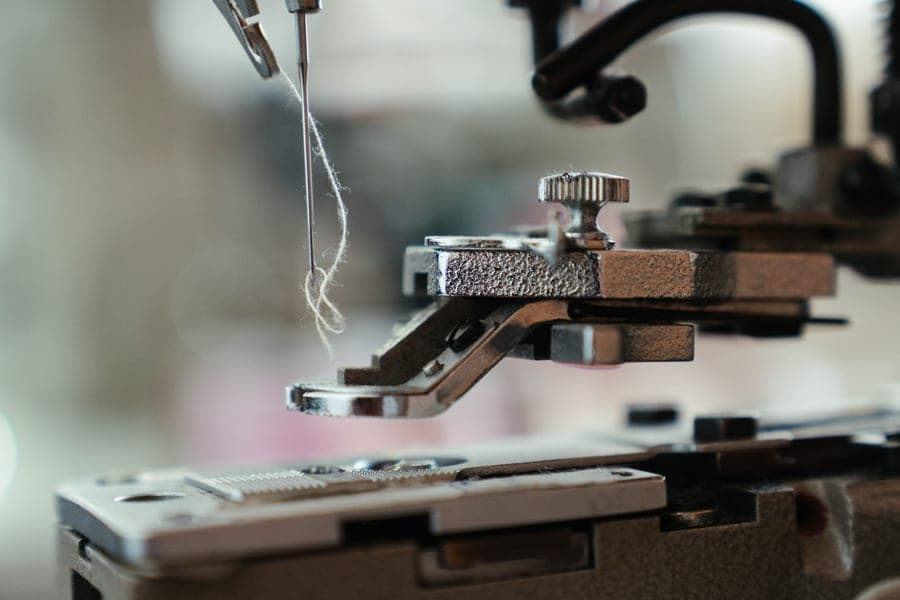 Brother CS7000XThe type most beginners should buy, and the best example of it. Brother CS7000XThe type most beginners should buy, and the best example of it. | The computerized pick | 8.2 | |
| 2 |  Janome 2212Dials, not menus, and nothing on it that can fail. Janome 2212Dials, not menus, and nothing on it that can fail. | The mechanical pick | 7.6 | |
| 3 | 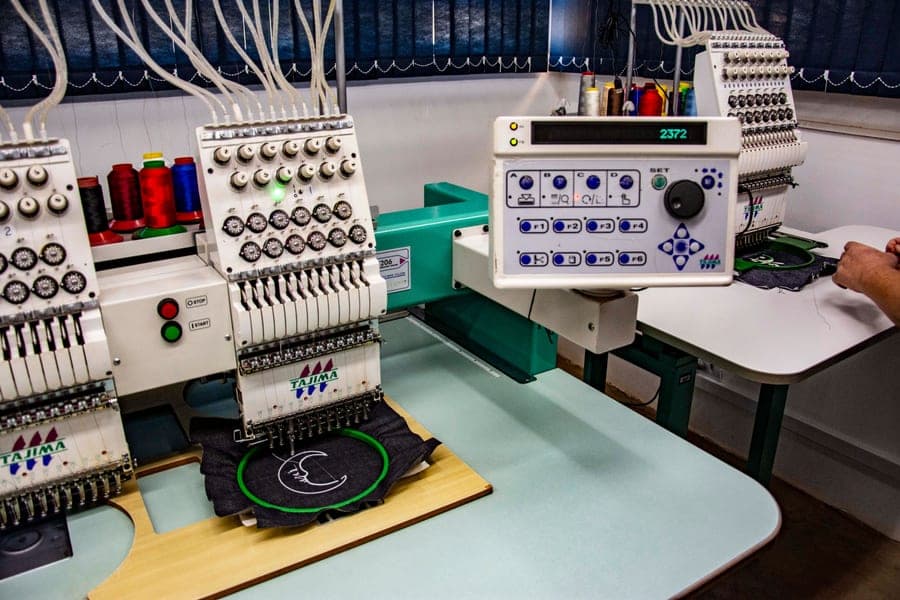 Brother SE700A real embroidery machine that also sews - if you want both. Brother SE700A real embroidery machine that also sews - if you want both. | The combination pick | 7.4 |
Scores are our editorial judgment on six axes, explained on the methodology page. We do not run a test lab and never claim to.
There are two types of sewing machine a beginner should consider: a mechanical machine, where every setting is a physical dial, and a computerized machine, where you select stitches on a small screen. Both sew the same seams. Everything else sold under the heading “sewing machine” - embroidery machines, sergers, coverstitch machines, industrial machines and mini machines - either does a different job or is not worth owning, and knowing which is which saves a lot of money.
Here is each type, what it is actually for, and whether it should be your first purchase.
1. Mechanical sewing machines
A mechanical machine selects its stitches with a knob. The knob physically moves cams inside the machine that drive the needle bar from side to side, and stitch length and width are set with two more dials. There is no screen and no board.
What it is good at: lasting. A mechanical machine has very little in it that can fail, it can be serviced by anyone, and the machines sewing classes buy are almost all of this type. It also teaches you what stitch length and width actually do, because you have to set them.
What it gives up: conveniences. Automatic needle threaders and one-step buttonholes are rarer on mechanical machines, and the cheapest ones have a four-step buttonhole that you have to remember a sequence for.
Who should buy one: anyone who wants a machine to keep for twenty years, anyone who finds menus irritating, and anyone buying for a class.
2. Computerized sewing machines
A computerized machine has a small board and a display. You press a button to choose a stitch and the machine sets the width and length for you, usually correctly. It is still a mechanical device doing mechanical work - the computer only decides where the needle goes.
What it is good at: removing decisions. Automatic needle threaders, one-step buttonholes, drop-in bobbins and speed-control sliders are almost all on computerized machines at this price. Those are the features that stop beginners giving up.
What it gives up: some longevity, in theory. The board and the display are the parts most likely to fail in fifteen years, and a board failure is usually uneconomic to repair.
Who should buy one: most first-time buyers. Our mechanical versus computerized guide works the choice through in detail.
3. Embroidery machines and combination machines
An embroidery machine does not sew seams. It holds fabric still in a hoop and moves the hoop under the needle by motor, stitching a design from a file. It cannot join two pieces of fabric, and a regular sewing machine cannot embroider - the decorative stitches on a sewing machine are repeating borders, not shapes.
A combination machine does both, with a hoop for embroidery and a normal presser foot for sewing. The Brother SE700 is the standard beginner answer. The honest compromise is that its embroidery field is 4 x 4 inches, which is the limit you will meet first, and as a sewing machine it is good rather than excellent.
Who should buy one: people who want to put names, monograms and logos on things. Not people who want to make clothes - our sewing versus embroidery guide exists because this is the most expensive misunderstanding in the category.
4. Sergers and overlockers
A serger trims the seam allowance, sews the seam and overlocks the raw edge in one pass, using three or four threads and two needles. It is what gives shop-bought clothes their neat inside finish.
It cannot sew a zip, make a buttonhole or topstitch a hem. It is a second machine, never a first one, and buying one instead of a sewing machine is a mistake people genuinely make. Our serger guide sets out when it becomes worth adding.
5. Coverstitch machines
A coverstitch machine makes the twin-line hem you see on the bottom of a t-shirt. It is a specialist machine, it is a third purchase at the earliest, and a twin needle on an ordinary sewing machine gets you most of the way there for the price of a coffee. Mentioned here only so that you can rule it out.
6. Industrial sewing machines
A single-purpose machine bolted into its own table, with a separate motor, usually doing one stitch extremely fast and extremely well. They are magnificent and they are not domestic equipment: they are heavy, loud, three-phase in some cases, and they do exactly one thing.
Note that a “heavy duty” domestic machine is not an industrial machine. It means a metal interior frame, a faster motor and a higher presser foot lift on a household machine. Our heavy-duty guide is specific about where the line is.
7. Mini and handheld machines - avoid
The one type on this page we would tell you not to buy at any price. Mini and handheld machines skip stitches, have no real tension control and cannot hold a hem. When the stitching fails, the beginner concludes they cannot sew. They are the most reliable way to put someone off the craft, and a cheap full-size machine costs little more.
What each type is for.
One machine of each type worth buying
The best example of each of the three types a beginner should actually consider.
Brother CS7000X
Computerized, and the one we recommend most often: automatic threader, drop-in bobbin, speed slider and a wide table in the box.
Skip it if You want physical dials instead of a menu, or you will be sewing canvas, upholstery or leather regularly.
Janome 2212
Mechanical, with every setting on a dial and a reputation for outlasting everything around it.
Skip it if You want an automatic threader, a one-step buttonhole or a drop-in bobbin - it has none of them.
Brother SE700
A combination machine with a genuine 4 x 4 inch embroidery field that also sews competently.
Skip it if You mainly want to make clothes or quilts. The same money buys a better dedicated sewing machine.
#ad - buy links go to Amazon and earn us a commission at no extra cost to you. Full disclosure.
The picks in full
01 - The computerized pick
Brother CS7000X
Does the fiddly parts for you so you can spend your energy learning to sew.
- 70 built-in stitches, 7 one-step buttonholes
- Automatic needle threader, drop-in top bobbin
- Speed-control slider
- Wide table and 10 presser feet included
- Get it if
- You want threading, buttonholes and stitch settings handled by the machine, and you might try quilting later - the wide table is already in the box.
- Skip it if
- You want physical dials instead of a menu, or you will be sewing canvas, upholstery or leather regularly.
The trade-off
Light and mostly plastic. That makes it easy to carry and quiet on cottons and mid-weights; it is not built for heavy layers every day.
#ad - opens Amazon in a new tab. How we earn
How the Brother CS7000X scores
Our judgment on the six axes described on the methodology page. Not measurements - we do not run a test lab.
- Setup and threading
- 9/10
- Everyday stitch quality
- 8/10
- Thick fabric
- 6/10
- Beginner features
- 9/10
- Durability reputation
- 7/10
- Help for this exact model
- 10/10
Overall 8.2/10
02 - The mechanical pick
Janome 2212
Twelve stitches, nothing to break - the classroom favorite.
- 12 stitches, dial controls, four-step buttonhole
- Drop feed for free-motion quilting
- Free arm for cuffs and sleeves
- A reputation for lasting decades
- Get it if
- You value reliability over conveniences and want a machine still working long after the computerized ones are gone.
- Skip it if
- You want an automatic threader, a one-step buttonhole or a drop-in bobbin - it has none of them.
The trade-off
Fewer conveniences, more longevity. The four-step buttonhole and front-loading bobbin are a little more work to learn.
#ad - opens Amazon in a new tab. How we earn
How the Janome 2212 scores
Our judgment on the six axes described on the methodology page. Not measurements - we do not run a test lab.
- Setup and threading
- 6/10
- Everyday stitch quality
- 9/10
- Thick fabric
- 7/10
- Beginner features
- 4/10
- Durability reputation
- 10/10
- Help for this exact model
- 7/10
Overall 7.6/10
03 - The combination pick
Brother SE700
A sewing machine and a 4x4 embroidery machine in one box.
- 103 sewing stitches plus 135 built-in embroidery designs
- 4 x 4 inch embroidery field
- Color touchscreen, wireless design transfer
- Automatic threader, drop-in bobbin
- Get it if
- You want to personalize things - names, monograms, patches, small designs - as well as sew.
- Skip it if
- You mainly want to make clothes or quilts. The same money buys a better dedicated sewing machine.
The trade-off
The 4 x 4 inch embroidery field is small, and embroidery has ongoing costs - stabilizer, thread, designs. Great at what it does; not a shortcut to a better sewing machine.
#ad - opens Amazon in a new tab. How we earn
How the Brother SE700 scores
Our judgment on the six axes described on the methodology page. Not measurements - we do not run a test lab.
- Setup and threading
- 8/10
- Everyday stitch quality
- 8/10
- Thick fabric
- 5/10
- Beginner features
- 8/10
- Durability reputation
- 7/10
- Help for this exact model
- 8/10
Overall 7.4/10
Questions beginners actually ask
What are the different types of sewing machines?
Mechanical, computerized, embroidery, combination sewing-and-embroidery, serger or overlocker, coverstitch, industrial, and mini or handheld. For a first machine the real choice is only between mechanical and computerized - the rest either do a different job or are not worth owning.
Which type of sewing machine is best for beginners?
A computerized machine for most people, because the automatic needle threader, one-step buttonhole, drop-in bobbin and speed limiter are almost all found on computerized models at beginner prices. Choose mechanical instead if you prefer physical dials or want a machine to keep for decades.
What is the difference between a sewing machine and a serger?
A sewing machine joins fabric and can sew zips, buttonholes and topstitching. A serger trims, seams and overlocks a raw edge in one pass using three or four threads, which is what gives shop-bought clothes their neat inside finish. A serger cannot replace a sewing machine.
Is a heavy-duty sewing machine a type of industrial machine?
No. On a domestic machine, heavy duty means a metal interior frame, a faster motor around 1,100 stitches per minute and a higher presser foot lift. An industrial machine is bolted into its own table with a separate motor and usually does one stitch only.
Are mini sewing machines any good?
No. They skip stitches, lack real tension control and cannot hold a hem reliably. The usual result is that the owner concludes they cannot sew. A cheap full-size machine like the Brother XM2701 costs little more and is a real sewing machine.
Sources
Specifications are taken from manufacturer listings. We do not run a test lab and never claim to - how each machine is assessed is set out on our methodology page.
Read next
- Mechanical vs computerized sewing machine
The only type choice that really matters.
- How to choose a sewing machine
- Sewing machine brands explained
- Do you need a serger?