Guides · Brands explained
Sewing machine brands, explained
Three brands matter at beginner prices. The expensive names are genuinely better and genuinely the wrong first purchase.
By Michael W. · Published
Disclosure: this page contains affiliate links. As an Amazon Associate, StitchStarter earns from qualifying purchases at no extra cost to you. We do not display prices - they change daily, so every button opens the live listing. It never changes which machines we recommend. Full disclosure.
Quick picks
The short answer. Every pick is explained in full below, including who should skip it.
| # | Product | Best for | Score | Price |
|---|---|---|---|---|
| 1 | 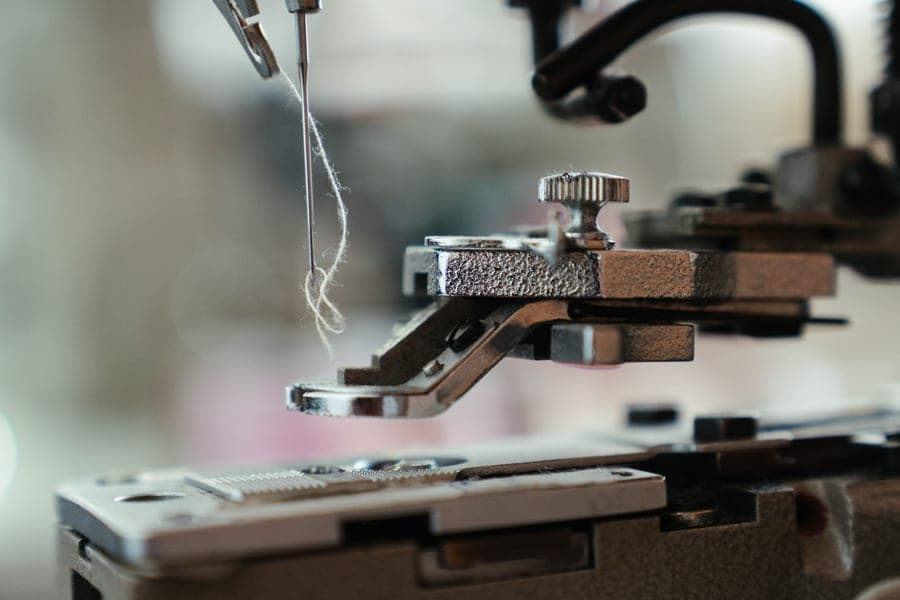 Brother CS7000XConvenience features on a cheap machine. The brand's whole argument. Brother CS7000XConvenience features on a cheap machine. The brand's whole argument. | The Brother pick | 8.2 | |
| 2 | 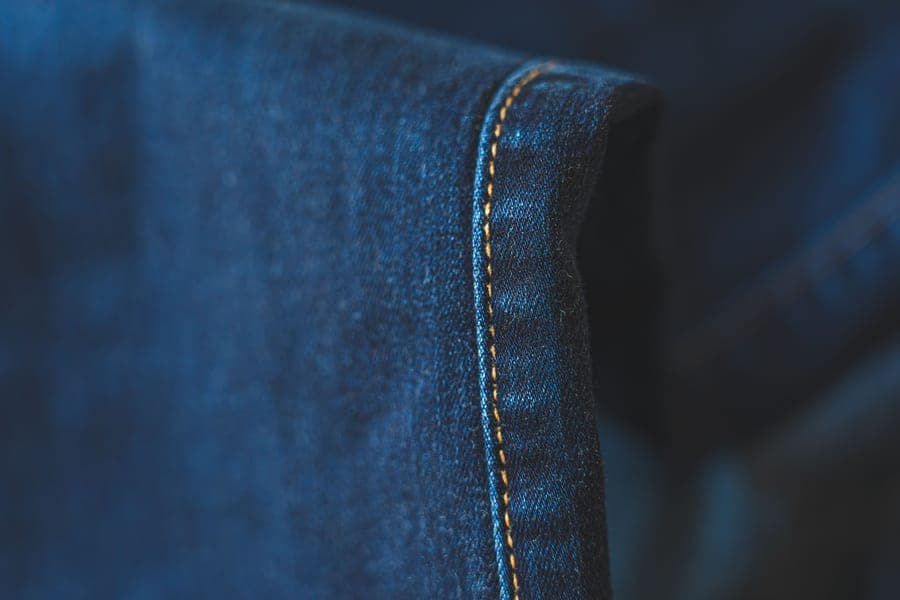 Singer Heavy Duty 4423Metal frame and a fast motor, sold everywhere, loud and simple. Singer Heavy Duty 4423Metal frame and a fast motor, sold everywhere, loud and simple. | The Singer pick | 7.8 | |
| 3 |  Janome 2212Fewer features, better bones. The machine classes keep buying. Janome 2212Fewer features, better bones. The machine classes keep buying. | The Janome pick | 7.6 |
Scores are our editorial judgment on six axes, explained on the methodology page. We do not run a test lab and never claim to.
For a first sewing machine, three brands are worth shortlisting: Brother for convenience features at low prices, Singer for metal-framed machines that handle thick fabric, and Janome for mechanical build quality that outlasts everything around it. Bernina, Pfaff, Husqvarna Viking and Juki all make better machines than any of those three, and all of them are the wrong first purchase for reasons that have nothing to do with quality.
Here is what each brand is actually for.
Brother
Japanese, enormous, and the brand most beginners end up owning. Brother’s strategy is to put the convenience features low down the range: automatic needle threaders and drop-in top-loading bobbins appear on its cheapest machines, where competitors charge extra for both.
Good at: making a first evening tolerable. Also the brand with the most tutorials and forum answers per model, which matters at nine in the evening when the thread is bunching.
The trade-off: light, mostly-plastic bodies. Fine for cotton, garments and quilting; it walks on the table on a folded denim hem. Our Brother roundup names the five models worth considering.
Singer
The name everyone knows, and a brand whose present reputation is much narrower than its history. The Heavy Duty line - the 4411, 4423, 4432 and 4452 - is genuinely good: a metal interior frame, a stainless steel bedplate and a 1,100 stitches-per-minute motor, which is the right specification for denim, canvas, bags and curtains.
Good at: thick fabric, dials you can read at a glance, and being stocked everywhere so parts and help are easy to find.
The trade-off: loud, with no slow setting, and a front-loading bobbin you thread half-blind. The brand’s cheapest models are ordinary rather than special. Our Singer roundup decodes the model numbers.
Janome
Japanese, less marketed, and the brand sewing teachers quietly recommend. Janome builds mechanical machines with better internals than their price suggests and fewer conveniences than their competitors.
Good at: lasting. A 2212 has almost nothing in it that can fail, and its drop feed - rare at this price - opens up free-motion quilting.
The trade-off: no automatic needle threader, a four-step buttonhole on the cheaper models, and a front-loading bobbin. You are buying bones, not features.
Bernina, Pfaff, Husqvarna Viking, Juki, Baby Lock, Elna
All of these are real brands making real machines, several of them better than anything above. We do not recommend them as a first machine, and the reasons are worth stating plainly rather than pretending they do not exist.
Bernina is Swiss, expensive, and the brand experienced sewers aspire to. Its entry-level machines cost several times what a beginner machine costs, and almost everything you are paying for is a refinement you cannot yet feel.
Pfaff and Husqvarna Viking are both premium European brands now under the same corporate ownership. Pfaff’s integrated dual feed is a genuinely lovely feature. Both are dealer-sold, which means the price is higher and the support is better.
Juki makes superb straight-stitch and industrial machines and excellent sergers. Quilters love them. A Juki is a second machine, bought once you know what you want.
Baby Lock is strong in sergers and embroidery, and dealer-sold. Elna shares engineering with Janome and is harder to find.
The brands to be careful with
Not names so much as categories. Unbranded machines sold only through a single marketplace listing, machines whose brand name appears on no manufacturer website, and anything described as a mini, portable or handheld stitcher. The problem is not only build quality - it is that there is nobody to buy a bobbin case from in two years, and no manual, and no tutorial for your exact model.
Vintage is a separate case and a better one. An old all-metal machine from a known brand can be wonderful, and it is a gamble if nobody can help you check it over - our new versus used guide covers what to look at.
What each brand is for, at a glance.
One machine from each beginner brand
If you have narrowed it to a brand, this is the model we would start with.
Brother CS7000X
Brother's argument in one machine: threader, drop-in bobbin, speed slider and a wide table at a beginner price.
Skip it if You want physical dials instead of a menu, or you will be sewing canvas, upholstery or leather regularly.
Singer Heavy Duty 4423
Singer's argument: metal interior frame, steel bedplate and a fast motor for denim, bags and curtains.
Skip it if You mostly want gentle control on light fabrics, or a quiet machine for an apartment.
Janome 2212
Janome's argument: fewer features, better internals, and a drop feed you will not find elsewhere this cheap.
Skip it if You want an automatic threader, a one-step buttonhole or a drop-in bobbin - it has none of them.
#ad - buy links go to Amazon and earn us a commission at no extra cost to you. Full disclosure.
The picks in full
01 - The Brother pick
Brother CS7000X
Does the fiddly parts for you so you can spend your energy learning to sew.
- 70 built-in stitches, 7 one-step buttonholes
- Automatic needle threader, drop-in top bobbin
- Speed-control slider
- Wide table and 10 presser feet included
- Get it if
- You want threading, buttonholes and stitch settings handled by the machine, and you might try quilting later - the wide table is already in the box.
- Skip it if
- You want physical dials instead of a menu, or you will be sewing canvas, upholstery or leather regularly.
The trade-off
Light and mostly plastic. That makes it easy to carry and quiet on cottons and mid-weights; it is not built for heavy layers every day.
#ad - opens Amazon in a new tab. How we earn
How the Brother CS7000X scores
Our judgment on the six axes described on the methodology page. Not measurements - we do not run a test lab.
- Setup and threading
- 9/10
- Everyday stitch quality
- 8/10
- Thick fabric
- 6/10
- Beginner features
- 9/10
- Durability reputation
- 7/10
- Help for this exact model
- 10/10
Overall 8.2/10
02 - The Singer pick
Singer Heavy Duty 4423
Fast, sturdy and simple - the machine for denim hems and tote bags.
- Metal interior frame, stainless steel bedplate
- 1,100 stitches per minute
- 23 stitches, one-step buttonhole, automatic threader
- Extra-high presser foot lift for thick layers
- Get it if
- You want physical dials, you plan to sew jeans, canvas or several layers, and you do not mind a machine that is loud and quick.
- Skip it if
- You mostly want gentle control on light fabrics, or a quiet machine for an apartment.
The trade-off
Heavy duty means a metal frame and a fast motor, not an industrial machine. It handles denim well; real leather is still a struggle.
#ad - opens Amazon in a new tab. How we earn
How the Singer Heavy Duty 4423 scores
Our judgment on the six axes described on the methodology page. Not measurements - we do not run a test lab.
- Setup and threading
- 7/10
- Everyday stitch quality
- 8/10
- Thick fabric
- 9/10
- Beginner features
- 6/10
- Durability reputation
- 8/10
- Help for this exact model
- 9/10
Overall 7.8/10
03 - The Janome pick
Janome 2212
Twelve stitches, nothing to break - the classroom favorite.
- 12 stitches, dial controls, four-step buttonhole
- Drop feed for free-motion quilting
- Free arm for cuffs and sleeves
- A reputation for lasting decades
- Get it if
- You value reliability over conveniences and want a machine still working long after the computerized ones are gone.
- Skip it if
- You want an automatic threader, a one-step buttonhole or a drop-in bobbin - it has none of them.
The trade-off
Fewer conveniences, more longevity. The four-step buttonhole and front-loading bobbin are a little more work to learn.
#ad - opens Amazon in a new tab. How we earn
How the Janome 2212 scores
Our judgment on the six axes described on the methodology page. Not measurements - we do not run a test lab.
- Setup and threading
- 6/10
- Everyday stitch quality
- 9/10
- Thick fabric
- 7/10
- Beginner features
- 4/10
- Durability reputation
- 10/10
- Help for this exact model
- 7/10
Overall 7.6/10
Questions beginners actually ask
What is the best sewing machine brand for beginners?
Brother, for putting automatic needle threaders and drop-in bobbins on cheap machines. Singer is the better choice if you will sew thick fabric, and Janome if you want a mechanical machine to keep for decades. Those three are the whole beginner shortlist.
Is Brother or Singer better?
Neither in general - it depends on the model and the fabric. Brother gives you more convenience features for the money and a lighter plastic body. Singer's Heavy Duty line gives you a metal frame and a fast motor, with more noise and a harder bobbin to load.
Are Bernina and Pfaff worth the money?
They are genuinely better machines, and still the wrong first purchase. Their entry models cost several times a beginner machine, and most of what you pay for is refinement a new sewer cannot yet feel. Six months of sewing tells you which refinements you actually care about.
Which sewing machine brands should I avoid?
Unbranded machines sold through a single marketplace listing, brands with no manufacturer website, and anything sold as a mini, portable or handheld stitcher. The real risk is not build quality but the absence of parts, manuals and model-specific help in two years.
Is Janome a good brand for a first machine?
Yes, if you value longevity over conveniences. A Janome 2212 has almost nothing in it that can fail and includes a drop feed for free-motion quilting. What it lacks is an automatic needle threader and a one-step buttonhole, which are the two features beginners most often miss.
Sources
Specifications are taken from manufacturer listings. We do not run a test lab and never claim to - how each machine is assessed is set out on our methodology page.
Read next
- Brother vs Singer vs Janome
The same question, with real models.
- Best Brother sewing machines for beginners
- Best Singer sewing machines for beginners
- Types of sewing machines explained