Guides · Accessory reference
Sewing machine presser feet explained
Most machines ship with six. You will use four of them, and there are two more worth buying.
By Michael W. · Published
Disclosure: this page contains affiliate links. As an Amazon Associate, StitchStarter earns from qualifying purchases at no extra cost to you. We do not display prices - they change daily, so every button opens the live listing. It never changes which machines we recommend. Full disclosure.
Quick picks
The short answer. Every pick is explained in full below, including who should skip it.
| # | Product | Best for | Score | Price |
|---|---|---|---|---|
| 1 | 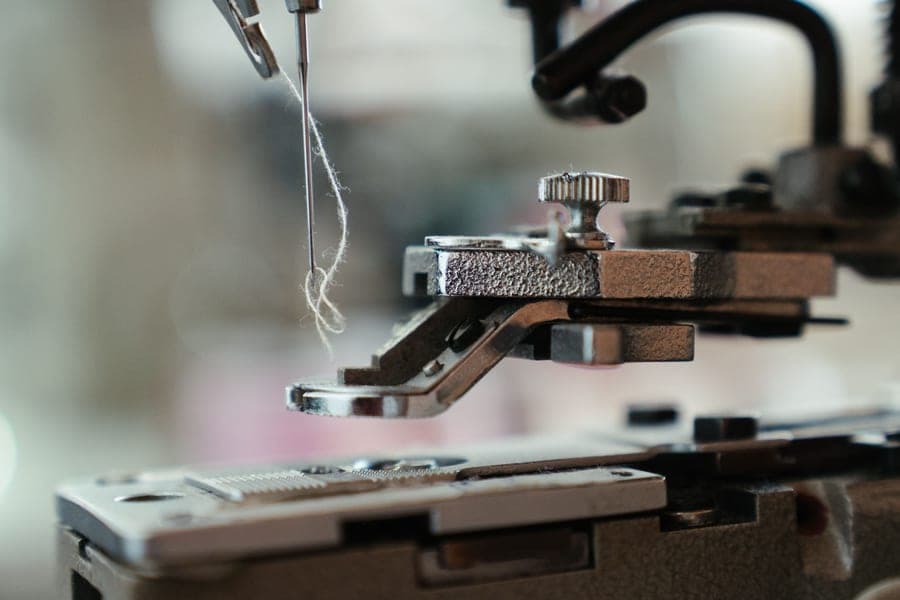 Brother CS7000XTen feet, and you will not need to buy any for a year. Brother CS7000XTen feet, and you will not need to buy any for a year. | Most feet included | 8.2 | |
| 2 |  Singer Heavy Duty 4452Adds a walking foot to the standard kit. Singer Heavy Duty 4452Adds a walking foot to the standard kit. | Best heavy-duty foot set | 7.7 |
Scores are our editorial judgment on six axes, explained on the methodology page. We do not run a test lab and never claim to.
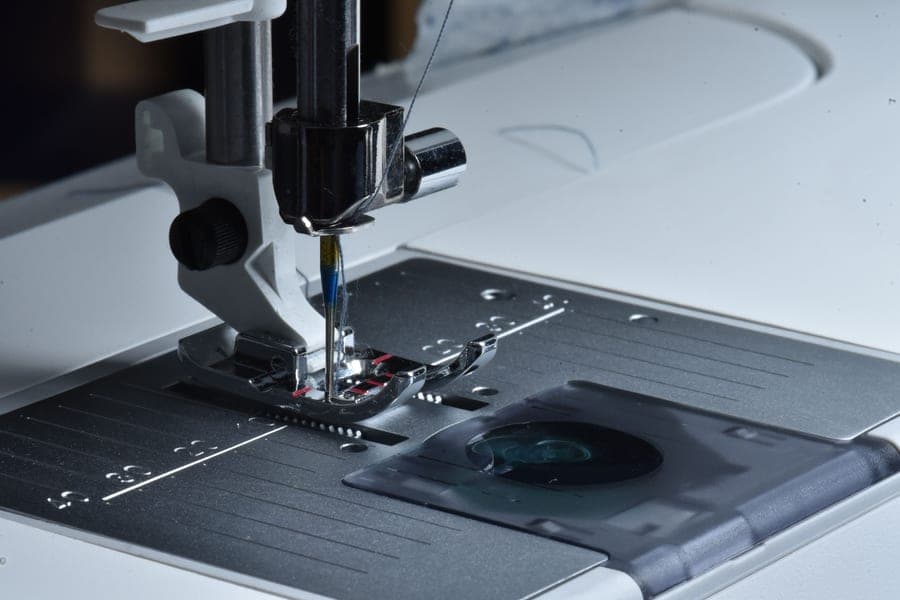
The presser foot holds the fabric down against the feed dogs so they can move it under the needle. Swapping the foot changes what the machine can do more than almost any other adjustment - and unlike stitch libraries, feet are cheap.
What comes in the box
The two worth buying afterwards
A walking foot. It feeds the top layer at the same rate as the feed dogs move the bottom layer. The answer to quilt layers shifting and to slippery or sticky fabrics such as vinyl and leatherette. Essential for quilting; the Singer 4452 bundles one.
A quarter-inch foot. A guide exactly a quarter inch from the needle, which is the standard quilting seam allowance. It removes the need to watch a line on the needle plate, and piecing becomes far more accurate.
Changing a foot
Almost every domestic machine uses a snap-on system: raise the presser foot lever, press the small lever or button at the back of the shank, and the foot drops off. Position the new foot under the shank and lower the lever until it clicks on.
Raise the needle to its highest position first, using the hand wheel. Changing a foot with the needle down is how needles get bent.
Machines with the best foot sets
Brother CS7000X
Ten feet and the wide table included - genuinely nothing to buy for a year.
Skip it if You want physical dials instead of a menu, or you will be sewing canvas, upholstery or leather regularly.
Singer Heavy Duty 4452
The heavy-duty set, with the walking foot already in the box.
Skip it if You are only guessing that you might sew heavy fabric - start with the 4423.
#ad - buy links go to Amazon and earn us a commission at no extra cost to you. Full disclosure.
The picks in full
01 - Most feet included
Brother CS7000X
Does the fiddly parts for you so you can spend your energy learning to sew.
- 70 built-in stitches, 7 one-step buttonholes
- Automatic needle threader, drop-in top bobbin
- Speed-control slider
- Wide table and 10 presser feet included
- Get it if
- You want threading, buttonholes and stitch settings handled by the machine, and you might try quilting later - the wide table is already in the box.
- Skip it if
- You want physical dials instead of a menu, or you will be sewing canvas, upholstery or leather regularly.
The trade-off
Light and mostly plastic. That makes it easy to carry and quiet on cottons and mid-weights; it is not built for heavy layers every day.
#ad - opens Amazon in a new tab. How we earn
How the Brother CS7000X scores
Our judgment on the six axes described on the methodology page. Not measurements - we do not run a test lab.
- Setup and threading
- 9/10
- Everyday stitch quality
- 8/10
- Thick fabric
- 6/10
- Beginner features
- 9/10
- Durability reputation
- 7/10
- Help for this exact model
- 10/10
Overall 8.2/10
02 - Best heavy-duty foot set
Singer Heavy Duty 4452
The 4423 with a bigger accessory kit, including a walking foot.
- 32 built-in stitches, one-step buttonhole
- 1,100 stitches per minute
- Metal interior frame
- Larger accessory set, including an even-feed walking foot
- Get it if
- You already know you want the Heavy Duty platform and you would otherwise buy a walking foot separately.
- Skip it if
- You are only guessing that you might sew heavy fabric - start with the 4423.
The trade-off
Mechanically it is the same machine as the 4423. You are buying accessories, so the only question is whether you will use them.
#ad - opens Amazon in a new tab. How we earn
How the Singer Heavy Duty 4452 scores
Our judgment on the six axes described on the methodology page. Not measurements - we do not run a test lab.
- Setup and threading
- 7/10
- Everyday stitch quality
- 8/10
- Thick fabric
- 9/10
- Beginner features
- 6/10
- Durability reputation
- 8/10
- Help for this exact model
- 8/10
Overall 7.7/10
Questions beginners actually ask
Which presser feet does a beginner actually need?
Four: the standard zigzag foot, a zipper foot, a buttonhole foot and a blind hem foot. Most machines include all four. An overcasting foot is the fifth, and it is what lets you finish raw edges without a serger.
What does a walking foot do?
It feeds the top layer of fabric at the same rate the feed dogs move the bottom layer. That stops quilt layers shifting against each other and makes slippery or sticky fabrics such as vinyl and leatherette manageable.
How do you change a presser foot?
Raise the needle to its highest position with the hand wheel, raise the presser foot lever, then press the small lever at the back of the shank so the foot drops off. Position the new foot underneath and lower the lever until it clicks on.
Are presser feet universal?
No. They come in low shank, high shank and slant shank fittings. Most domestic beginner machines are low shank, but check your manual before buying third-party feet - the wrong fitting will not attach at all.
Sources
Specifications are taken from manufacturer listings. We do not run a test lab and never claim to - how each machine is assessed is set out on our methodology page.