Guides · The budget question
How much should you spend on a first sewing machine?
Three tiers, three different buyers. The trick is working out honestly which one you are.
By Michael W. · Published
Disclosure: this page contains affiliate links. As an Amazon Associate, StitchStarter earns from qualifying purchases at no extra cost to you. We do not display prices - they change daily, so every button opens the live listing. It never changes which machines we recommend. Full disclosure.
Quick picks
The short answer. Every pick is explained in full below, including who should skip it.
| # | Product | Best for | Score | Price |
|---|---|---|---|---|
| 1 |  Brother XM2701Enough machine to learn on, little enough to risk. Brother XM2701Enough machine to learn on, little enough to risk. | The try-it tier | 7.3 | |
| 2 |  Brother CS7000XThe machine most people should buy once. Brother CS7000XThe machine most people should buy once. | The keep-it tier | 8.2 | |
| 3 | 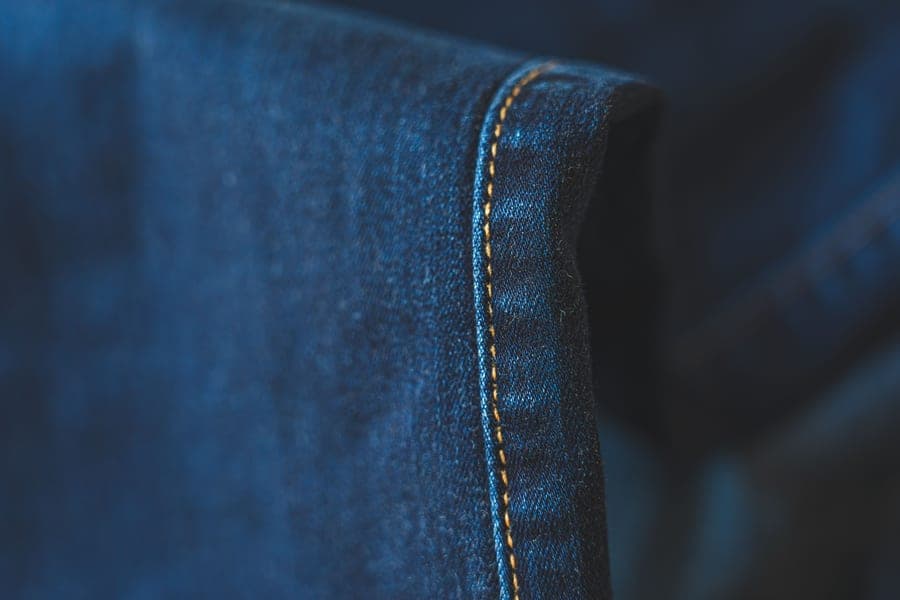 Singer Heavy Duty 4423Buy for the fabric, not the feature list. Singer Heavy Duty 4423Buy for the fabric, not the feature list. | The specific-job tier | 7.8 |
Scores are our editorial judgment on six axes, explained on the methodology page. We do not run a test lab and never claim to.
We do not publish prices - they move daily and a stale figure is worse than no figure. What is stable, and genuinely useful, is the shape of the market: there are three tiers a first-time buyer should know about, and the question is which one describes you.
Below the floor: do not go here
There is a price below which sewing machines stop being sewing machines and become frustration devices with a needle. They skip stitches on two layers of cotton, the bobbin case drifts out of alignment, and there is no adjustable stitch length.
The recognizable signs: a battery compartment, a weight under about four pounds, no adjustable stitch length, and no named model number from an established manufacturer. Buying here does not save money - it spends money on teaching someone that they are bad at sewing.
Tier one: enough machine to find out
The Brother XM2701 defines this tier. A real machine with an automatic threader, a drop-in bobbin and a one-step buttonhole. No speed limiter, no wide table, and you will outgrow it if sewing sticks.
Buy here if: the idea of sewing arrived recently, you are buying for a teenager, or the machine will be used a few times a year for hems and repairs.
Tier two: the machine you buy once
The Brother CS7000X defines this tier, and it is where most first-time buyers should land. Speed limiter, wide table, seven buttonhole styles, ten feet. Nothing to add for a year, and nothing you will outgrow for several.
Buy here if: you have wanted to sew for a while, you want to quilt, or you are nervous enough that a speed slider would genuinely help.
Tier three: buying for a specific job
Not more machine - different machine. The Singer Heavy Duty 4423 costs around the same as tier two and does a different job: denim, canvas and thick layers. The Brother SE700 similarly adds embroidery rather than adding quality.
Buy here if: you can name the specific thing you want to make that tier two would struggle with.
Above tier three: where extra money stops helping
Machines above this level buy you a larger throat, automatic thread cutting, knee lifts, a bigger embroidery field and stitch regulation. Every one of those is real and useful - to someone who has been sewing for two years and knows which of them they want.
For a first machine they are money spent on features you will not identify as missing, and a more complicated machine to learn on. Buy in the middle; upgrade when you know what you actually sew.
The picks in full
01 - The try-it tier
Brother XM2701
The find-out-if-I-actually-like-this machine.
- 27 stitches, one-step buttonhole
- Automatic needle threader, drop-in bobbin
- 6 presser feet included
- Light enough to carry to a class
- Get it if
- You are not sure sewing will stick and you want a real, capable machine without spending what a better one costs.
- Skip it if
- You already know you will sew every week, or you want speed control and a quilting table.
The trade-off
Lightweight and basic. It does everything a beginner needs - buttonholes, zippers, hems - but you will outgrow it sooner than the CS7000X.
#ad - opens Amazon in a new tab. How we earn
How the Brother XM2701 scores
Our judgment on the six axes described on the methodology page. Not measurements - we do not run a test lab.
- Setup and threading
- 9/10
- Everyday stitch quality
- 7/10
- Thick fabric
- 5/10
- Beginner features
- 7/10
- Durability reputation
- 6/10
- Help for this exact model
- 9/10
Overall 7.3/10
02 - The keep-it tier
Brother CS7000X
Does the fiddly parts for you so you can spend your energy learning to sew.
- 70 built-in stitches, 7 one-step buttonholes
- Automatic needle threader, drop-in top bobbin
- Speed-control slider
- Wide table and 10 presser feet included
- Get it if
- You want threading, buttonholes and stitch settings handled by the machine, and you might try quilting later - the wide table is already in the box.
- Skip it if
- You want physical dials instead of a menu, or you will be sewing canvas, upholstery or leather regularly.
The trade-off
Light and mostly plastic. That makes it easy to carry and quiet on cottons and mid-weights; it is not built for heavy layers every day.
#ad - opens Amazon in a new tab. How we earn
How the Brother CS7000X scores
Our judgment on the six axes described on the methodology page. Not measurements - we do not run a test lab.
- Setup and threading
- 9/10
- Everyday stitch quality
- 8/10
- Thick fabric
- 6/10
- Beginner features
- 9/10
- Durability reputation
- 7/10
- Help for this exact model
- 10/10
Overall 8.2/10
03 - The specific-job tier
Singer Heavy Duty 4423
Fast, sturdy and simple - the machine for denim hems and tote bags.
- Metal interior frame, stainless steel bedplate
- 1,100 stitches per minute
- 23 stitches, one-step buttonhole, automatic threader
- Extra-high presser foot lift for thick layers
- Get it if
- You want physical dials, you plan to sew jeans, canvas or several layers, and you do not mind a machine that is loud and quick.
- Skip it if
- You mostly want gentle control on light fabrics, or a quiet machine for an apartment.
The trade-off
Heavy duty means a metal frame and a fast motor, not an industrial machine. It handles denim well; real leather is still a struggle.
#ad - opens Amazon in a new tab. How we earn
How the Singer Heavy Duty 4423 scores
Our judgment on the six axes described on the methodology page. Not measurements - we do not run a test lab.
- Setup and threading
- 7/10
- Everyday stitch quality
- 8/10
- Thick fabric
- 9/10
- Beginner features
- 6/10
- Durability reputation
- 8/10
- Help for this exact model
- 9/10
Overall 7.8/10
Questions beginners actually ask
How much should I spend on a first sewing machine?
Most good beginner machines sit in the low-to-mid hundreds. Below that you get toy-like machines that skip stitches and fight you on anything thicker than cotton. Above it you are paying for features a beginner will not use for a year or two. Buy in the middle and upgrade when you know what you actually sew.
Is it worth buying a cheap sewing machine to start?
Yes, if you are genuinely unsure whether sewing will stick - a working cheap machine used weekly beats an expensive one you are still saving for. It is a false economy if you already know you will sew regularly, because you will end up buying twice.
What does spending more actually get you?
In the middle tier: a speed limiter, a wide table, more presser feet and one-step buttonholes. Above that: a larger throat, automatic thread cutting and stitch regulation - all real, all things a beginner will not identify as missing for a couple of years.
How much should I budget beyond the machine?
Enough for thread, needles, extra bobbins, fabric for one specific first project, and an iron if you do not own one. That is what stands between a machine being opened and a machine waiting in a box for a shopping trip.
Sources
Specifications are taken from manufacturer listings. We do not run a test lab and never claim to - how each machine is assessed is set out on our methodology page.