Guides · The serger question
Do you need a serger?
Short answer: not yet. Here is what one actually does, and when that changes.
By Michael W. · Published
Disclosure: this page contains affiliate links. As an Amazon Associate, StitchStarter earns from qualifying purchases at no extra cost to you. We do not display prices - they change daily, so every button opens the live listing. It never changes which machines we recommend. Full disclosure.
Quick picks
The short answer. Every pick is explained in full below, including who should skip it.
| # | Product | Best for | Score | Price |
|---|---|---|---|---|
| 1 | 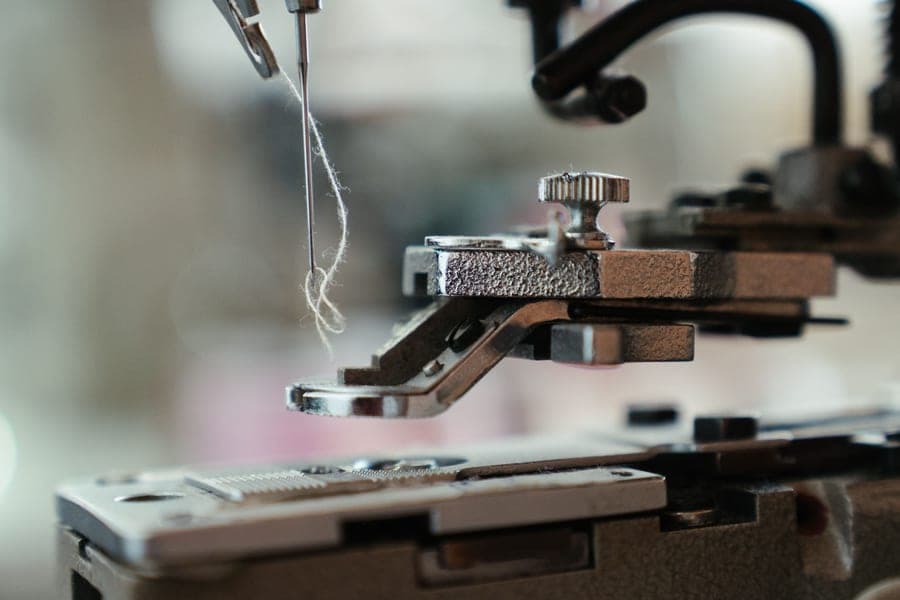 Brother CS7000XOvercast stitches and stretch stitches, built in. Brother CS7000XOvercast stitches and stretch stitches, built in. | The machine that makes a serger unnecessary early on | 8.2 | |
| 2 |  Brother XM2701A zigzag is enough while you learn. Brother XM2701A zigzag is enough while you learn. | Cheapest machine that finishes edges properly | 7.3 |
Scores are our editorial judgment on six axes, explained on the methodology page. We do not run a test lab and never claim to.
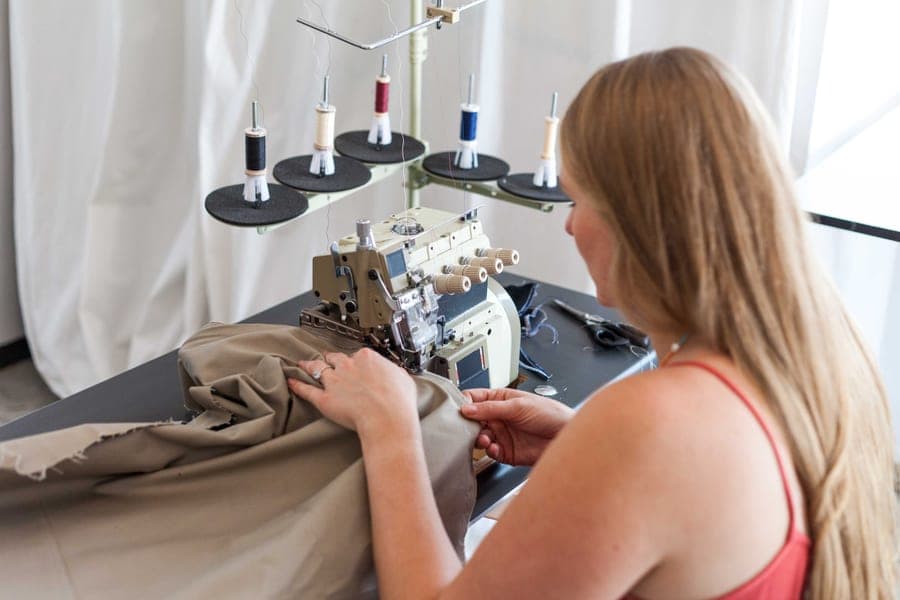
A serger - an overlocker, in most of the world - trims the raw edge of fabric, wraps it in thread and sews the seam, all in one pass. It is what gives shop-bought clothes their neat interior finish, and it is fast.
It is also not a sewing machine. It cannot sew a straight seam you can press open, it cannot do a buttonhole and it cannot topstitch. It is an additional machine, not an upgrade.
What a serger genuinely does better
Edge finishing at speed. Four or five thread cones wrap the raw edge so it cannot fray. A zigzag on your sewing machine achieves the same purpose more slowly and less neatly.
Knits. A serged seam stretches with the fabric, which is why T-shirts are made on one. Your sewing machine can sew knits perfectly well with a narrow zigzag or a stretch stitch - just less elegantly.
Volume. If you are making several garments a month, a serger saves real time.
What your machine already does well enough
Every machine on this site has a zigzag stitch, and most have a dedicated overcast stitch with a matching foot. Together these finish a raw edge to a standard nobody but you will examine on your first dozen garments.
Pinking shears, French seams and bias binding are the other classic answers, and all three produce a better-looking interior than a beginner serger operated by a beginner.
When the answer changes to yes
You are making knit garments regularly - T-shirts, leggings, sweatshirts - and the zigzag finish has started to bother you. Or you are sewing enough that the time saved matters. Or you are selling what you make, and the interior finish is part of the product.
Those are all real reasons. None of them applies to a first-time buyer, which is why this guide exists.
The picks in full
01 - The machine that makes a serger unnecessary early on
Brother CS7000X
Does the fiddly parts for you so you can spend your energy learning to sew.
- 70 built-in stitches, 7 one-step buttonholes
- Automatic needle threader, drop-in top bobbin
- Speed-control slider
- Wide table and 10 presser feet included
- Get it if
- You want threading, buttonholes and stitch settings handled by the machine, and you might try quilting later - the wide table is already in the box.
- Skip it if
- You want physical dials instead of a menu, or you will be sewing canvas, upholstery or leather regularly.
The trade-off
Light and mostly plastic. That makes it easy to carry and quiet on cottons and mid-weights; it is not built for heavy layers every day.
#ad - opens Amazon in a new tab. How we earn
How the Brother CS7000X scores
Our judgment on the six axes described on the methodology page. Not measurements - we do not run a test lab.
- Setup and threading
- 9/10
- Everyday stitch quality
- 8/10
- Thick fabric
- 6/10
- Beginner features
- 9/10
- Durability reputation
- 7/10
- Help for this exact model
- 10/10
Overall 8.2/10
02 - Cheapest machine that finishes edges properly
Brother XM2701
The find-out-if-I-actually-like-this machine.
- 27 stitches, one-step buttonhole
- Automatic needle threader, drop-in bobbin
- 6 presser feet included
- Light enough to carry to a class
- Get it if
- You are not sure sewing will stick and you want a real, capable machine without spending what a better one costs.
- Skip it if
- You already know you will sew every week, or you want speed control and a quilting table.
The trade-off
Lightweight and basic. It does everything a beginner needs - buttonholes, zippers, hems - but you will outgrow it sooner than the CS7000X.
#ad - opens Amazon in a new tab. How we earn
How the Brother XM2701 scores
Our judgment on the six axes described on the methodology page. Not measurements - we do not run a test lab.
- Setup and threading
- 9/10
- Everyday stitch quality
- 7/10
- Thick fabric
- 5/10
- Beginner features
- 7/10
- Durability reputation
- 6/10
- Help for this exact model
- 9/10
Overall 7.3/10
Questions beginners actually ask
Do I need a serger as a beginner?
No. A serger finishes raw edges beautifully and is great for knits, but every beginner machine has a zigzag stitch that does the job well enough while you learn. Buy a serger after your first few garments, if you still want one.
Can a serger replace a sewing machine?
No. A serger cannot sew a straight seam you can press open, cannot make a buttonhole and cannot topstitch. It is an additional machine for edge finishing and knit seams, not an upgrade.
How do you finish seams without a serger?
A zigzag or overcast stitch on your machine, pinking shears, French seams, or bias binding. For a beginner's first dozen garments, any of these produces a neater interior than a beginner serger operated by a beginner.
Can a regular sewing machine sew knits?
Yes. Use a ballpoint or jersey needle and a narrow zigzag or a dedicated stretch stitch. A straight stitch has no give and will snap when the garment is pulled on - that is the usual cause of a failed first T-shirt, not the lack of a serger.
Sources
Specifications are taken from manufacturer listings. We do not run a test lab and never claim to - how each machine is assessed is set out on our methodology page.