Guides
Are vintage sewing machines good for beginners?
An old all-metal machine really is built better than anything you can buy new at this price. It also cannot do five things you are going to want.
By Michael W. · Published
Disclosure: this page contains affiliate links. As an Amazon Associate, StitchStarter earns from qualifying purchases at no extra cost to you. Prices are read from Amazon daily and dated; the price you pay is the one Amazon shows at checkout. It never changes which machines we recommend. Full disclosure.
Quick picks
The short answer. Every pick is explained in full below, including who should skip it.
| # | Product | Best for | Score | Price |
|---|---|---|---|---|
| 1 | 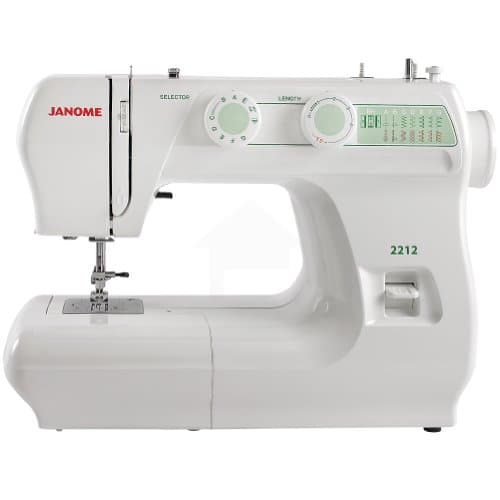 Janome 2212A simple mechanical built to last, with modern parts you can still buy. Janome 2212A simple mechanical built to last, with modern parts you can still buy. | Closest thing new | 7.6 | |
| 2 | 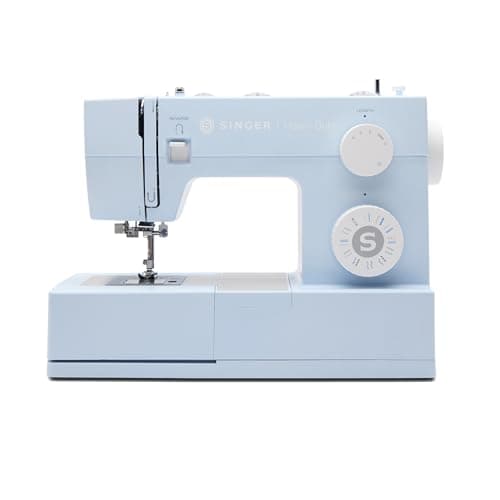 Singer Heavy Duty 4423A metal interior frame and the torque for denim, with a warranty. Singer Heavy Duty 4423A metal interior frame and the torque for denim, with a warranty. | Best if the appeal was the power | 7.8 | |
| 3 | 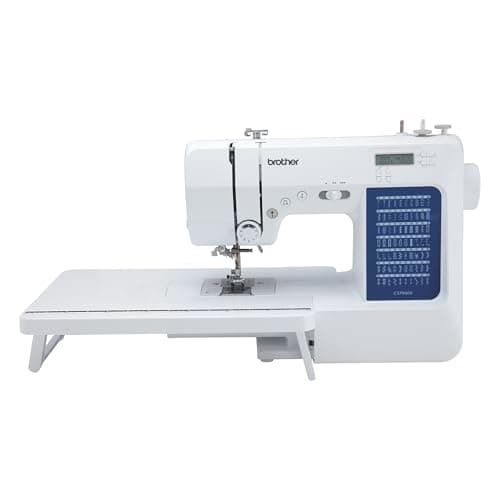 Brother CS7000XEverything a vintage machine makes you do by hand, done for you. Brother CS7000XEverything a vintage machine makes you do by hand, done for you. | Best if you want it to be easy | 8.2 |
Prices shown are Amazon prices as of October 10, 2026 and can change.Scores are our editorial judgment on six axes, explained on the methodology page. We do not run a test lab and never claim to.
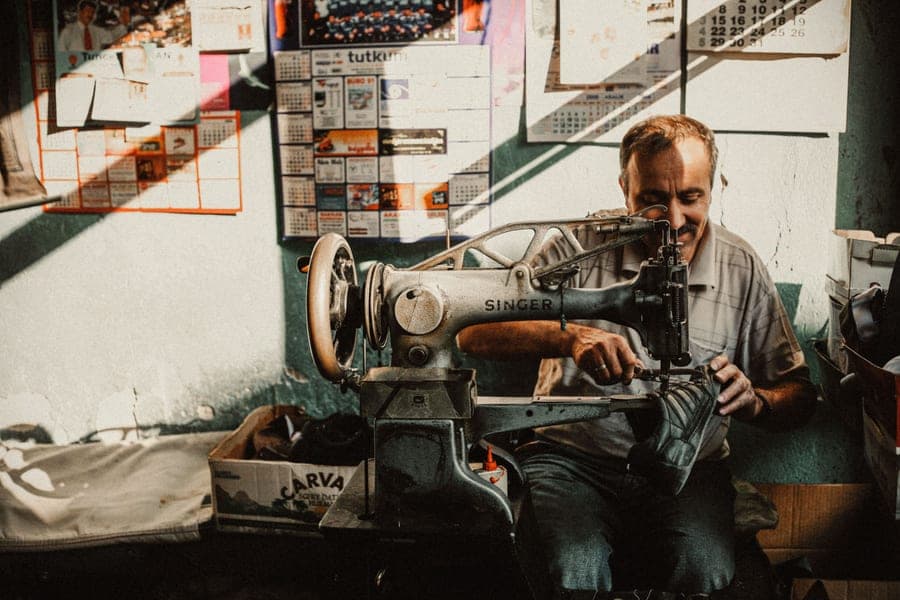
A well-maintained vintage all-metal sewing machine - the kind of black or beige Singer that turns up in a family - genuinely is built better than anything you can buy new in the beginner bracket. The frame is cast metal, the gears are metal, and a machine made in the 1950s that has been oiled will still sew a beautiful straight seam. If one has been handed to you, it is worth keeping and worth learning on.
It is also missing five things that matter to a beginner, and the honest answer to “should I buy one instead of a new machine” is usually no - not because the old machine is worse, but because what it is better at is not what stops beginners finishing projects.
What a vintage machine genuinely does better
The straight stitch. A pre-1970s domestic machine was engineered around one job, and it does that job with a precision that is still impressive. Piecing, topstitching, long seams in cotton - a tuned vintage straight-stitcher is as good as anything in this price range and better than most.
Power through thickness. Cast metal does not flex. A heavy old machine sits still while the needle goes through folded denim, which is exactly the thing that makes light plastic-bodied machines skip stitches. Our heavy-duty guide explains why frame rigidity is the real variable there.
Repairability. There are no circuit boards. Everything inside is mechanical, documented and - on the most common models - still serviceable by any sewing machine technician. A new computerized machine with a failed board is usually scrap; a 1952 machine with a seized shaft is an afternoon of oil.
Cost, when it is free. An inherited machine plus a service costs a fraction of a new machine. That is a real argument, and it is the strongest one on this page.
The five things it cannot do
1. A one-step buttonhole. Most vintage domestic machines either sew buttonholes in four manual passes or need a separate buttonholer attachment with cams. Our buttonhole guide shows the modern one-step process for comparison.
2. Stretch stitches. Knit fabric needs a stitch that stretches with the seam - a narrow zigzag at minimum, a lightning stitch ideally. Straight-stitch-only vintage machines cannot sew jersey, and a lot of what beginners want to make is jersey. See knits and stretchy fabric.
3. A needle threader or a visible bobbin. You thread by eye and the bobbin loads into a case you cannot see into, which is the most common source of thread bunching while you learn.
4. Modern parts without a hunt. Needles are usually fine; bobbins, bobbin cases, belts and feet often are not interchangeable with current parts, and some models use a class of bobbin that is genuinely hard to find.
5. Any kind of guarantee. No warranty, no support line, and no certainty about what the previous forty years did to it. Our warranty guide covers what you give up.
An inherited all-metal machine against a current beginner machine.
How to judge the machine in your family
Five checks, in order, and none of them need tools.
Turn the hand wheel toward you. It should move smoothly through a full rotation with the needle rising and falling. Stiff, gritty or stuck means seized oil at best and a bent shaft at worst - get it serviced before plugging it in.
Look at the cord and the foot pedal. Cracked rubber insulation, exposed wire or a scorched plug is a stop sign. Rewiring is a technician’s job and it is worth paying for; running it as found is not worth the risk.
Check for a manual and a model number. The number is stamped on the body or the bed. With it you can find the manual, the needle type and the bobbin class, which is the difference between a usable machine and an ornament.
Sew a test seam on scrap cotton. Even stitches top and bottom, no looping underneath, no skipped stitches. Our tension guide explains what you are looking at.
Budget for a service either way. A clean, oil and timing check from a local technician is the single best money you can spend on an old machine, and it is what turns a family heirloom into a working tool. Our maintenance guide covers what you can do yourself afterward.
If you decide to buy new instead
Chosen on what people usually want from a vintage machine - a simple build that lasts, or power through thickness.
Janome 2212
The closest thing new to the vintage appeal: a simple mechanical with almost nothing that can fail, and parts you can still buy.
Skip it if You want an automatic threader, a one-step buttonhole or a drop-in bobbin - it has none of them.
Singer Heavy Duty 4423
If what you liked was the weight and the power - a metal interior frame, a fast motor and a high foot lift.
Skip it if You mostly want gentle control on light fabrics, or a quiet machine for an apartment.
Brother CS7000X
If you would rather the machine did the fiddly parts: automatic threader, visible bobbin, speed slider, wide table.
Skip it if You want physical dials instead of a menu, or you will be sewing canvas, upholstery or leather regularly.
#ad - buy links go to Amazon and earn us a commission at no extra cost to you. Prices shown are Amazon prices as of October 10, 2026 and can change. Full disclosure.
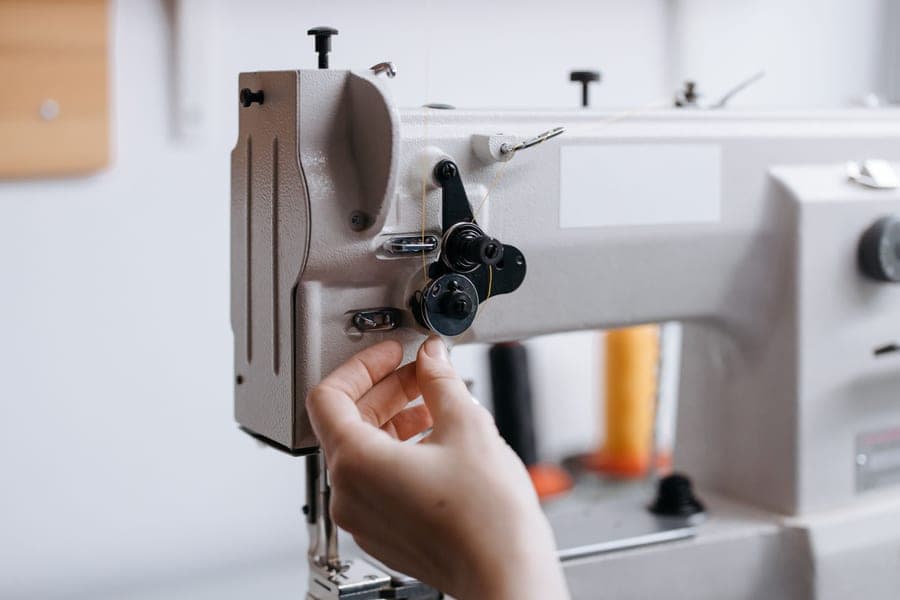
If you are buying one rather than inheriting it
Be clearer-eyed. A vintage machine bought from a stranger is a used machine with no warranty, an unknown service history and a parts question, and the price advantage disappears the moment it needs a bobbin case nobody stocks.
The circumstances where it makes sense: you are buying a specific well-documented model with widely available parts, you can test it before paying, and you are happy to pay a technician. Everything else is a gamble with your first month of sewing as the stake. Our new vs used guide works through the same decision for modern used machines, where the arithmetic is friendlier.
The honest answer
Inherited a vintage machine? Have it serviced and learn on it. It will teach you more about how a sewing machine works than a computerized machine will, and the straight stitch is lovely. Buy a modern machine later, when you know what you are missing.
Choosing what to buy with your own money? Buy new. The things a vintage machine lacks - stretch stitches, a one-step buttonhole, support - are the exact things that decide whether a beginner finishes a project, and our is a sewing machine worth it guide puts the cost in perspective.
The picks in full
01 - Closest thing new
Janome 2212
Twelve stitches, nothing to break - the classroom favorite.
- 12 stitches, dial controls, four-step buttonhole
- Drop feed for free-motion quilting
- Free arm for cuffs and sleeves
- A reputation for lasting decades
- Get it if
- You value reliability over conveniences and want a machine still working long after the computerized ones are gone.
- Skip it if
- You want an automatic threader, a one-step buttonhole or a drop-in bobbin - it has none of them.
The trade-off
Fewer conveniences, more longevity. The four-step buttonhole and front-loading bobbin are a little more work to learn.
How the Janome 2212 scores
Our judgment on the six axes described on the methodology page. Not measurements - we do not run a test lab.
- Setup and threading
- 6/10
- Everyday stitch quality
- 9/10
- Thick fabric
- 7/10
- Beginner features
- 4/10
- Durability reputation
- 10/10
- Help for this exact model
- 7/10
Overall 7.6/10
02 - Best if the appeal was the power
Singer Heavy Duty 4423
Fast, sturdy and simple - the machine for denim hems and tote bags.
- Metal interior frame, stainless steel bedplate
- 1,100 stitches per minute
- 23 stitches (97 stitch applications), one-step buttonhole, automatic threader
- Top drop-in bobbin with a clear cover
- Extra-high presser foot lift for thick layers
- Get it if
- You want physical dials, you plan to sew jeans, canvas or several layers, and you do not mind a machine that is loud and quick.
- Skip it if
- You mostly want gentle control on light fabrics, or a quiet machine for an apartment.
The trade-off
Heavy duty means a metal frame and a fast motor, not an industrial machine. It handles denim well; real leather is still a struggle.
How the Singer Heavy Duty 4423 scores
Our judgment on the six axes described on the methodology page. Not measurements - we do not run a test lab.
- Setup and threading
- 7/10
- Everyday stitch quality
- 8/10
- Thick fabric
- 9/10
- Beginner features
- 6/10
- Durability reputation
- 8/10
- Help for this exact model
- 9/10
Overall 7.8/10
03 - Best if you want it to be easy
Brother CS7000X
Does the fiddly parts for you so you can spend your energy learning to sew.
- 70 built-in stitches, 7 one-step buttonholes
- Automatic needle threader, drop-in top bobbin
- Speed-control slider
- Wide table and 10 presser feet included
- Get it if
- You want threading, buttonholes and stitch settings handled by the machine, and you might try quilting later - the wide table is already in the box.
- Skip it if
- You want physical dials instead of a menu, or you will be sewing canvas, upholstery or leather regularly.
The trade-off
A metal internal frame inside a light plastic shell. That makes it easy to carry and quiet on cottons and mid-weights; it is not built for heavy layers every day the way a Heavy Duty is.
$279.99 · 11% off · price as of October 10, 2026
#ad - opens Amazon in a new tab. How we earn
How the Brother CS7000X scores
Our judgment on the six axes described on the methodology page. Not measurements - we do not run a test lab.
- Setup and threading
- 9/10
- Everyday stitch quality
- 8/10
- Thick fabric
- 6/10
- Beginner features
- 9/10
- Durability reputation
- 7/10
- Help for this exact model
- 10/10
Overall 8.2/10
Questions beginners actually ask
Are vintage sewing machines better than new ones?
Better built, not better equipped. A cast-metal vintage machine has a rigid frame, metal gears and real repairability, and sews a superb straight stitch. It usually lacks stretch stitches, a one-step buttonhole, a needle threader and any warranty - which are the features that decide whether a beginner finishes a project.
Should a beginner learn on a vintage sewing machine?
If one has been handed to you, yes - have it serviced and learn on it. It teaches you how a sewing machine actually works. If you are spending your own money and choosing freely, buy new, because the missing features matter more than the better frame.
Are old Singer sewing machines good?
The all-metal domestic models are genuinely well made and many still sew perfectly after a service. Their limits are the same as any vintage machine: often straight stitch only, four-step or attachment buttonholes, and bobbins and feet that may not match current parts.
How do I know if a vintage sewing machine is worth using?
Turn the hand wheel - it should rotate smoothly through a full cycle. Check the cord and pedal for cracked insulation. Find the model number so you can identify the needle and bobbin class. Then sew a test seam on scrap cotton and look for even stitches with no looping underneath.
Can a vintage sewing machine sew stretchy fabric?
A straight-stitch-only machine cannot sew knits properly, because a straight seam snaps when the fabric stretches. A vintage machine with a zigzag can manage knits with a narrow zigzag. Modern stretch and lightning stitches do the job better.
Is it worth servicing an inherited sewing machine?
Almost always. A clean, oil and timing check from a technician is modest money and is what turns a stored machine into a working one. It is also the step that protects the machine - running a seized machine on a working motor is how a repairable one gets broken.
Sources
Specifications are taken from manufacturer listings. We do not run a test lab and never claim to - how each machine is assessed is set out on our methodology page.
Read next
- New vs used sewing machines
The same decision for modern second-hand machines.
- How long does a sewing machine last?
- Sewing machine maintenance
- Where are sewing machines made?