Guides
Sewing machine settings for thin and delicate fabric
Fine fabric does not need a better machine. It needs a smaller needle, a shorter stitch and something underneath it.
By Michael W. · Published
Disclosure: this page contains affiliate links. As an Amazon Associate, StitchStarter earns from qualifying purchases at no extra cost to you. We do not display prices - they change daily, so every button opens the live listing. It never changes which machines we recommend. Full disclosure.
Quick picks
The short answer. Every pick is explained in full below, including who should skip it.
| # | Product | Best for | Score | Price |
|---|---|---|---|---|
| 1 |  Brother CS7000XThe speed slider, which is what fine fabric most needs. Brother CS7000XThe speed slider, which is what fine fabric most needs. | Best for delicate fabric | 8.2 | |
| 2 |  Janome 2212Pedal control and a reputation for an even, clean stitch. Janome 2212Pedal control and a reputation for an even, clean stitch. | Best mechanical for fine work | 7.6 | |
| 3 |  Brother XM2701Light, gentle and adjustable. No speed limiter. Brother XM2701Light, gentle and adjustable. No speed limiter. | Cheapest that does it | 7.3 |
Scores are our editorial judgment on six axes, explained on the methodology page. We do not run a test lab and never claim to.
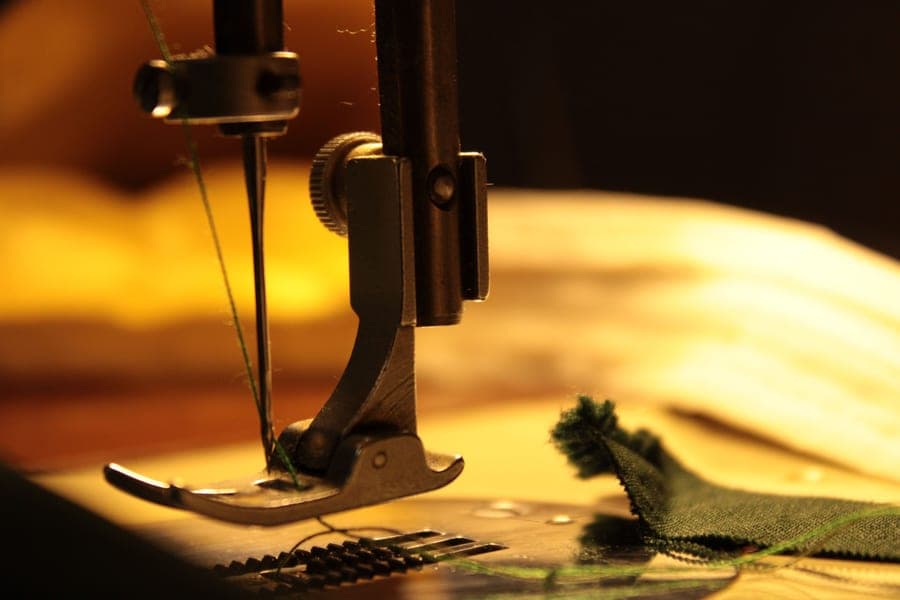
For thin and delicate fabric, fit a size 60/8 to 70/10 universal or microtex needle, shorten the stitch to 1.5 to 2mm, lower the top tension slightly, use fine polyester or silk thread, and sew with a strip of tissue paper under the seam. Then sew slowly. Those changes solve the three complaints people have about chiffon, satin, silk and voile: puckered seams, fabric pulled down into the needle plate, and a seam that frays apart.
A better machine is not the answer here, which is worth saying plainly. A beginner machine with a fresh fine needle and a shorter stitch handles silk perfectly well. What makes fine fabric difficult is that it has almost no body, so it goes wherever the machine pushes it - and every setting below is about giving it something to push against.
The needle, and why a new one matters
A big needle makes a big hole, and in a fine open weave the hole stays visible. Drop to size 60/8 or 70/10 and the hole closes up.
A microtex needle goes further: it has a very slim, very sharp point designed for densely woven and fine fabrics, and it is the right choice for silk, satin and microfibre. On fine knits and jersey you want a ballpoint instead - that is a different problem, covered in settings for stretchy fabric.
Use a new needle. On heavy cotton a slightly blunt needle is an inconvenience; on chiffon it snags threads and pulls them, and the damage shows. Our needle size guide has the chart.
Starting settings for fine fabrics. Test on a scrap first, every time.
Stitch length and tension
Length. Shorter than for cotton - 1.5 to 2mm. A short stitch puts more thread into less fabric, which holds a fine seam together instead of letting it pull apart along the weave. It is the opposite of the advice for denim, for the opposite reason.
Tension. Lower the top tension a step. Fine fabric has almost no substance for the threads to lock inside, so the default tension pulls the seam into a ridge - the pucker people blame on the machine. Change it one number at a time and sew a test strip after each change, reading the result the way our tension guide describes.
Thread. Fine polyester or silk thread, not heavy all-purpose cotton. A thick thread in a thin fabric is itself a pucker.
The tissue paper trick
This is the fix that surprises people, because it costs nothing and solves the worst problem.
Lay a strip of ordinary tissue paper under the seam - and for chiffon, over the top as well - and sew through it. The paper gives the feed dogs something with body to grip, so the fabric advances evenly instead of being dragged, stretched or sucked down into the needle plate hole. When the seam is done, tear the paper away. The short stitch perforates it, so it comes off cleanly.
Two related fixes for the same cause. A straight stitch needle plate, if your machine has one, has a small round hole instead of a wide slot, which stops fine fabric being pushed into the machine. And a new needle in a smaller size is the third - the hole in the plate matters less when the needle is not dragging fabric with it.
Cutting and handling
Cut on a single layer where you can, with the fabric weighted rather than pinned - chiffon shifts under a rotary cutter and a double layer never matches.
Use fine pins or clips, in the seam allowance only. A standard pin leaves a visible hole in satin.
Hold the threads at the start. Hold both the top and bobbin thread tails gently behind the foot for the first three stitches. This is the fix for the fabric being pulled down into the needle plate as the seam begins, which is the most common first-stitch failure on fine cloth. Our fabric-will-not-feed guide covers the related faults.
Sew slowly. A speed limiter is genuinely useful here, which is why the Brother CS7000X leads the picks below. And finish seams with a narrow French seam rather than a zigzag where you can: on fine fabric an overcast edge is bulkier than the seam it is finishing.
Machines that handle fine fabric well
Chosen on slow control and a clean, even stitch - not on features.
Brother CS7000X
A speed-control slider, which is the single most useful thing on fine fabric.
Skip it if You want physical dials instead of a menu, or you will be sewing canvas, upholstery or leather regularly.
Janome 2212
An even, clean stitch and simple dials for a 1.5mm length.
Skip it if You want an automatic threader, a one-step buttonhole or a drop-in bobbin - it has none of them.
Brother XM2701
Light, gentle and fully adjustable. Its only real gap here is the lack of a speed limiter.
Skip it if You already know you will sew every week, or you want speed control and a quilting table.
#ad - buy links go to Amazon and earn us a commission at no extra cost to you. Full disclosure.
The picks in full
01 - Best for delicate fabric
Brother CS7000X
Does the fiddly parts for you so you can spend your energy learning to sew.
- 70 built-in stitches, 7 one-step buttonholes
- Automatic needle threader, drop-in top bobbin
- Speed-control slider
- Wide table and 10 presser feet included
- Get it if
- You want threading, buttonholes and stitch settings handled by the machine, and you might try quilting later - the wide table is already in the box.
- Skip it if
- You want physical dials instead of a menu, or you will be sewing canvas, upholstery or leather regularly.
The trade-off
Light and mostly plastic. That makes it easy to carry and quiet on cottons and mid-weights; it is not built for heavy layers every day.
#ad - opens Amazon in a new tab. How we earn
How the Brother CS7000X scores
Our judgment on the six axes described on the methodology page. Not measurements - we do not run a test lab.
- Setup and threading
- 9/10
- Everyday stitch quality
- 8/10
- Thick fabric
- 6/10
- Beginner features
- 9/10
- Durability reputation
- 7/10
- Help for this exact model
- 10/10
Overall 8.2/10
02 - Best mechanical for fine work
Janome 2212
Twelve stitches, nothing to break - the classroom favorite.
- 12 stitches, dial controls, four-step buttonhole
- Drop feed for free-motion quilting
- Free arm for cuffs and sleeves
- A reputation for lasting decades
- Get it if
- You value reliability over conveniences and want a machine still working long after the computerized ones are gone.
- Skip it if
- You want an automatic threader, a one-step buttonhole or a drop-in bobbin - it has none of them.
The trade-off
Fewer conveniences, more longevity. The four-step buttonhole and front-loading bobbin are a little more work to learn.
#ad - opens Amazon in a new tab. How we earn
How the Janome 2212 scores
Our judgment on the six axes described on the methodology page. Not measurements - we do not run a test lab.
- Setup and threading
- 6/10
- Everyday stitch quality
- 9/10
- Thick fabric
- 7/10
- Beginner features
- 4/10
- Durability reputation
- 10/10
- Help for this exact model
- 7/10
Overall 7.6/10
03 - Cheapest that does it
Brother XM2701
The find-out-if-I-actually-like-this machine.
- 27 stitches, one-step buttonhole
- Automatic needle threader, drop-in bobbin
- 6 presser feet included
- Light enough to carry to a class
- Get it if
- You are not sure sewing will stick and you want a real, capable machine without spending what a better one costs.
- Skip it if
- You already know you will sew every week, or you want speed control and a quilting table.
The trade-off
Lightweight and basic. It does everything a beginner needs - buttonholes, zippers, hems - but you will outgrow it sooner than the CS7000X.
#ad - opens Amazon in a new tab. How we earn
How the Brother XM2701 scores
Our judgment on the six axes described on the methodology page. Not measurements - we do not run a test lab.
- Setup and threading
- 9/10
- Everyday stitch quality
- 7/10
- Thick fabric
- 5/10
- Beginner features
- 7/10
- Durability reputation
- 6/10
- Help for this exact model
- 9/10
Overall 7.3/10
Questions beginners actually ask
What sewing machine settings do I use for thin fabric?
A size 60/8 to 70/10 microtex or universal needle, a stitch length of 1.5 to 2mm, top tension one step below your default, and fine polyester or silk thread. Sew slowly, and lay tissue paper under the seam so the feed dogs have something with body to grip.
Why does my fabric pucker when I sew it?
Usually top tension that is too high for how little substance the fabric has, a stitch that is too long, or thread that is too thick. Lower the tension one number at a time, shorten the stitch to about 1.5 to 2mm, and switch to a finer thread.
What needle do I use for chiffon or silk?
A microtex needle in size 60/8 for chiffon and 60/8 to 70/10 for silk and satin. Its very slim, sharp point is made for densely woven and fine fabrics, and a smaller needle leaves a smaller hole - which stays visible in an open weave.
How do I stop delicate fabric getting pulled into the machine?
Hold both thread tails behind the presser foot for the first three stitches, sew through a strip of tissue paper, and fit a straight stitch needle plate if your machine has one - its small round hole gives the fabric nothing to be pushed into.
Does the tissue paper trick really work?
Yes, and it is the cheapest fix on this page. Tissue paper under the seam gives the feed dogs something substantial to grip, so fine fabric advances evenly instead of being dragged or stretched. The short stitch perforates it and it tears away cleanly afterwards.
Do I need a special machine for delicate fabric?
No. A beginner machine with a fresh fine needle, a shorter stitch and lower tension sews silk well. What does help is a speed limiter, since control matters more than power here. A heavy-duty machine is the wrong choice - it is built for the opposite job.
Sources
Specifications are taken from manufacturer listings. We do not run a test lab and never claim to - how each machine is assessed is set out on our methodology page.
Read next
- Easiest fabrics to sew for beginners
- Sewing machine needle sizes explained
- Settings for stretchy fabric
The opposite problem, same method.
- Sewing machine tension guide