Guides
Do you need a special sewing machine for quilting?
No. You need three specific things, and a quilting machine is just a machine that happens to have them.
By Michael W. · Published
Disclosure: this page contains affiliate links. As an Amazon Associate, StitchStarter earns from qualifying purchases at no extra cost to you. We do not display prices - they change daily, so every button opens the live listing. It never changes which machines we recommend. Full disclosure.
Quick picks
The short answer. Every pick is explained in full below, including who should skip it.
| # | Product | Best for | Score | Price |
|---|---|---|---|---|
| 1 | 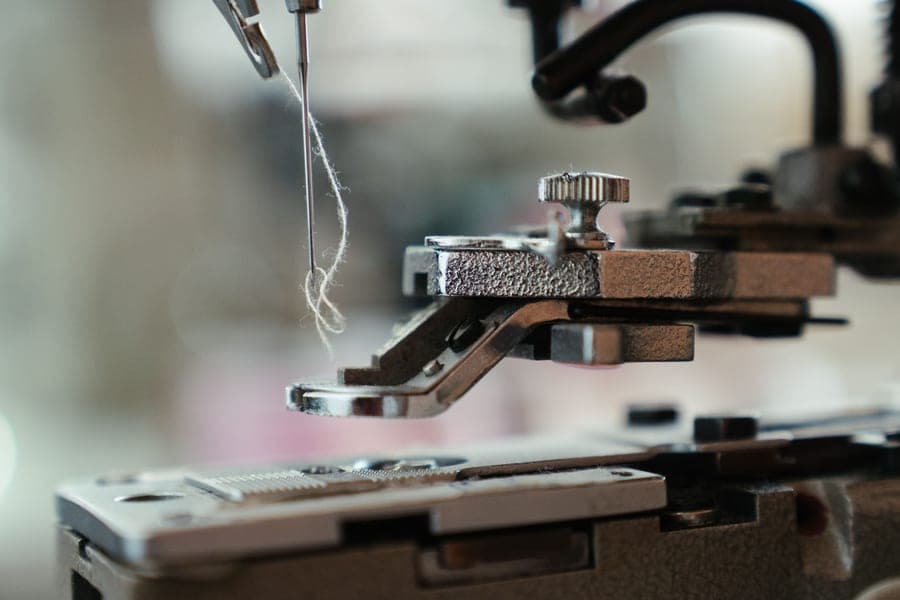 Brother CS7000XThe wide table is already in the box, which is the expensive part. Brother CS7000XThe wide table is already in the box, which is the expensive part. | Best first quilting machine | 8.2 | |
| 2 |  Janome 2212A drop feed, which almost nothing else at this level has. Janome 2212A drop feed, which almost nothing else at this level has. | Best for free-motion quilting | 7.6 | |
| 3 | 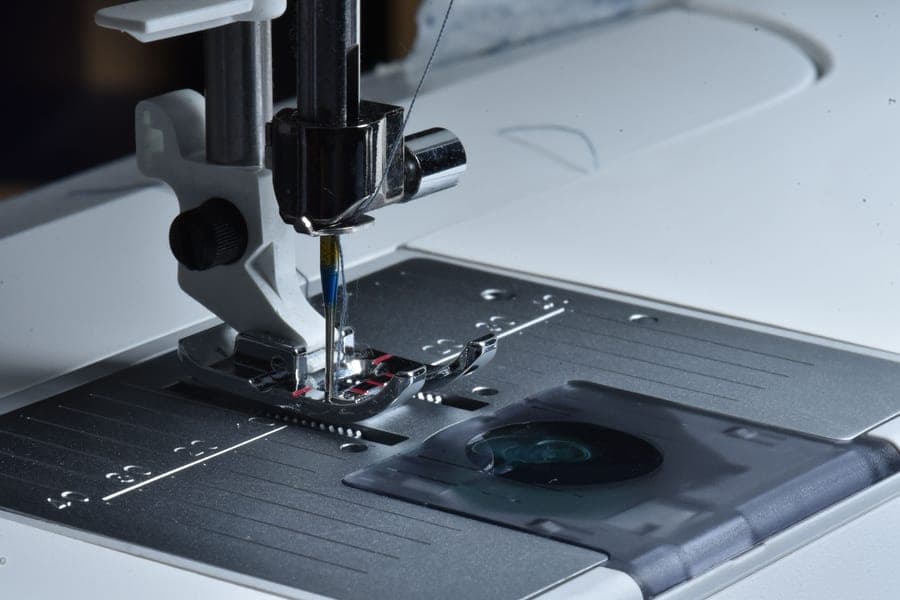 Brother XR9550Wide table included, more buttonhole styles, same job. Brother XR9550Wide table included, more buttonhole styles, same job. | Best if you want a bigger screen | 7.7 |
Scores are our editorial judgment on six axes, explained on the methodology page. We do not run a test lab and never claim to.
No, you do not need a special sewing machine to quilt. A quilt is straight seams joining squares, then a line of stitching through three layers - and any machine with a straight stitch can do both. What a machine sold as a quilting machine really has is three specific things: a wide flat table, a walking foot, and more room between the needle and the body of the machine. You can add the first two to almost any machine for a fraction of what a quilting machine costs.
If you are buying a first machine and quilting is on the list, the Brother CS7000X is the practical answer because the wide table is included, and that is the part people most often end up buying separately. If free-motion quilting is specifically what you want, the Janome 2212 has the drop feed that requires.
The three things quilting actually asks for
A flat surface around the needle. This is the one that matters most and gets mentioned least. A quilt is heavy, and if the part you are not sewing is hanging off the right-hand side of the machine, its weight drags the fabric under the needle and your stitching wanders. An extension table - a flat panel that clips around the machine bed - fixes it completely. Some machines include one; for others it is an accessory; for a few, a dining table with the machine recessed into a cut-out does the same job.
A walking foot. A quilt sandwich is top fabric, batting and backing, and the three do not want to travel at the same speed. A standard foot holds the top layer while the feed dogs pull the bottom one, so the layers shift and you get a pleat on the underside. A walking foot has its own feed mechanism driven off the needle bar, so all three layers advance together. This is the single accessory that changes quilting from a fight into ordinary sewing, and it fits almost any machine.
Throat space, eventually. The gap between the needle and the machine body is how much rolled quilt you can physically fit through. A beginner machine has around six inches, which is fine for a lap quilt and cramped for a double. It is also the one thing you cannot add later - see throat space explained.
What you can ignore
Stitch count. Quilting uses a straight stitch. That is it. A machine with 200 stitches quilts exactly as well as one with twelve, and our stitch guide lists what the rest are for.
Decorative quilting stitches. Machines advertise them; almost nobody uses them on a real quilt.
A quarter-inch foot, at first. It is genuinely useful - it gives you the standard patchwork seam allowance without measuring - but it costs very little and you can mark the needle plate with tape until you buy one.
What each feature does, and whether you can add it later.
Free-motion quilting is the real exception
There is one kind of quilting that genuinely needs a machine feature you cannot add: free motion. Instead of feeding the quilt straight through, you lower the feed dogs out of the way and move the fabric yourself, drawing with the needle. That is how stippling, loops and custom quilting designs are done.
It requires a drop feed - a control that lowers the feed dogs below the needle plate. Most beginner machines do not have one. The Janome 2212 does, which is unusual at its level and the reason it keeps appearing in quilting classes, and our CS7000X against the 2212 is exactly this trade-off: the Brother has the table, the Janome has the drop feed.
Straight-line and walking-foot quilting - which is what most finished quilts actually use - needs no drop feed at all.
So which machine should you buy?
If you already own a working machine, buy a walking foot and an extension table for it and start. That is a small outlay against a new machine, and it will carry you through several quilts before you can tell what you actually want in an upgrade.
If you are buying your first machine, choose the one that includes the table, because it is the costliest piece to add and the one beginners skip. Then check the drop feed row only if free-motion work appeals to you. Our quilting roundup ranks machines on exactly those terms.
Machines that already have most of this
Chosen on the table, the drop feed and the throat space - not on stitch count.
Brother CS7000X
Wide extension table included, speed slider for long seams, visible drop-in bobbin.
Skip it if You want physical dials instead of a menu, or you will be sewing canvas, upholstery or leather regularly.
Janome 2212
A drop feed for free-motion work, and a build that survives years of quilting.
Skip it if You want an automatic threader, a one-step buttonhole or a drop-in bobbin - it has none of them.
Brother XR9550
Wide table included and an LCD that names the recommended settings.
Skip it if You would rather put the difference toward fabric - you will use a fraction of the stitch library.
#ad - buy links go to Amazon and earn us a commission at no extra cost to you. Full disclosure.
The picks in full
01 - Best first quilting machine
Brother CS7000X
Does the fiddly parts for you so you can spend your energy learning to sew.
- 70 built-in stitches, 7 one-step buttonholes
- Automatic needle threader, drop-in top bobbin
- Speed-control slider
- Wide table and 10 presser feet included
- Get it if
- You want threading, buttonholes and stitch settings handled by the machine, and you might try quilting later - the wide table is already in the box.
- Skip it if
- You want physical dials instead of a menu, or you will be sewing canvas, upholstery or leather regularly.
The trade-off
Light and mostly plastic. That makes it easy to carry and quiet on cottons and mid-weights; it is not built for heavy layers every day.
#ad - opens Amazon in a new tab. How we earn
How the Brother CS7000X scores
Our judgment on the six axes described on the methodology page. Not measurements - we do not run a test lab.
- Setup and threading
- 9/10
- Everyday stitch quality
- 8/10
- Thick fabric
- 6/10
- Beginner features
- 9/10
- Durability reputation
- 7/10
- Help for this exact model
- 10/10
Overall 8.2/10
02 - Best for free-motion quilting
Janome 2212
Twelve stitches, nothing to break - the classroom favorite.
- 12 stitches, dial controls, four-step buttonhole
- Drop feed for free-motion quilting
- Free arm for cuffs and sleeves
- A reputation for lasting decades
- Get it if
- You value reliability over conveniences and want a machine still working long after the computerized ones are gone.
- Skip it if
- You want an automatic threader, a one-step buttonhole or a drop-in bobbin - it has none of them.
The trade-off
Fewer conveniences, more longevity. The four-step buttonhole and front-loading bobbin are a little more work to learn.
#ad - opens Amazon in a new tab. How we earn
How the Janome 2212 scores
Our judgment on the six axes described on the methodology page. Not measurements - we do not run a test lab.
- Setup and threading
- 6/10
- Everyday stitch quality
- 9/10
- Thick fabric
- 7/10
- Beginner features
- 4/10
- Durability reputation
- 10/10
- Help for this exact model
- 7/10
Overall 7.6/10
03 - Best if you want a bigger screen
Brother XR9550
More stitches and a bigger screen than the CS7000X, for the same job.
- 110 built-in stitches, 8 one-step buttonhole styles
- LCD display and stitch selection
- Wide table included
- Automatic threader, drop-in bobbin
- Get it if
- You want the CS7000X's convenience with a larger display and more decorative stitches.
- Skip it if
- You would rather put the difference toward fabric - you will use a fraction of the stitch library.
The trade-off
The extra stitches are decorative. The real difference from the CS7000X is the display, and the CS7000X's speed slider is arguably worth more to a beginner.
#ad - opens Amazon in a new tab. How we earn
How the Brother XR9550 scores
Our judgment on the six axes described on the methodology page. Not measurements - we do not run a test lab.
- Setup and threading
- 9/10
- Everyday stitch quality
- 8/10
- Thick fabric
- 6/10
- Beginner features
- 8/10
- Durability reputation
- 7/10
- Help for this exact model
- 8/10
Overall 7.7/10
Questions beginners actually ask
Do you need a special sewing machine for quilting?
No. Quilting is straight seams and straight stitching through three layers, which any machine can do. What helps is a wide extension table, a walking foot and enough throat space - and the first two can be added to almost any machine cheaply.
Can you quilt on a regular sewing machine?
Yes, and most quilts are made that way. Add a walking foot so the three layers feed together, support the quilt on a flat surface so its weight does not drag the stitching, and keep the quilt small enough to fit through the machine's throat.
What is the most important feature for quilting?
A flat surface around the needle. A quilt is heavy, and if the part you are not sewing hangs off the side of the machine, its weight pulls the fabric and your stitching wanders. An extension table solves it, and it is the accessory beginners most often skip.
Do I need a walking foot to quilt?
You will want one. A quilt sandwich is three layers that do not travel at the same speed, and a standard presser foot lets the top layer lag, which produces pleats underneath. A walking foot feeds all three together and fits most machines.
What is a drop feed and do I need it?
A drop feed lowers the feed dogs below the needle plate so you move the fabric yourself. It is required for free-motion quilting and darning, and it cannot be added later. Most beginner machines lack it; the Janome 2212 has one.
How much throat space do I need for quilting?
A beginner machine offers about six inches, which is comfortable for a lap quilt and cramped for a double. Throat space is the one quilting feature you cannot add afterwards, so if large quilts are the plan it is the specification to check before buying.
Sources
Specifications are taken from manufacturer listings. We do not run a test lab and never claim to - how each machine is assessed is set out on our methodology page.