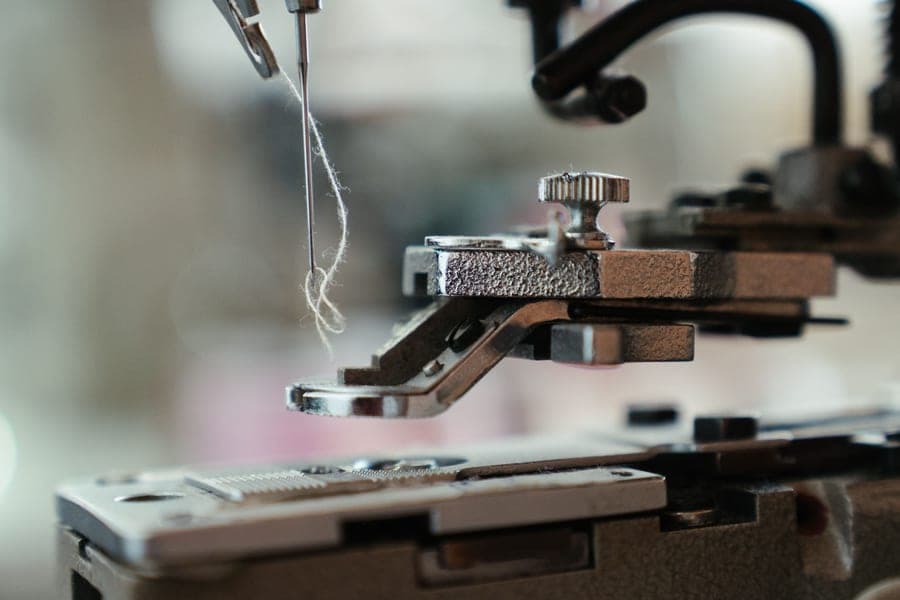
Best overall
Brother CS7000X review: the machine that does the fiddly parts for you
Computerized, forgiving, and stocked with the three features that stop beginners quitting. Heavy fabric is its limit.
One review per machine we recommend - what it does well, and who should buy something else.
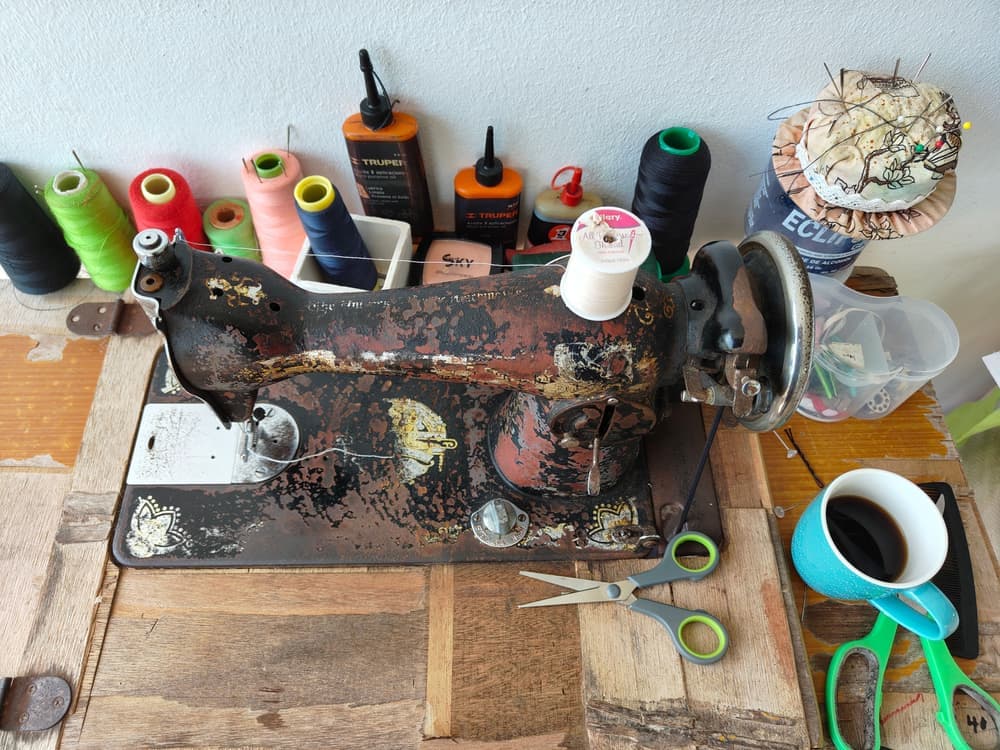
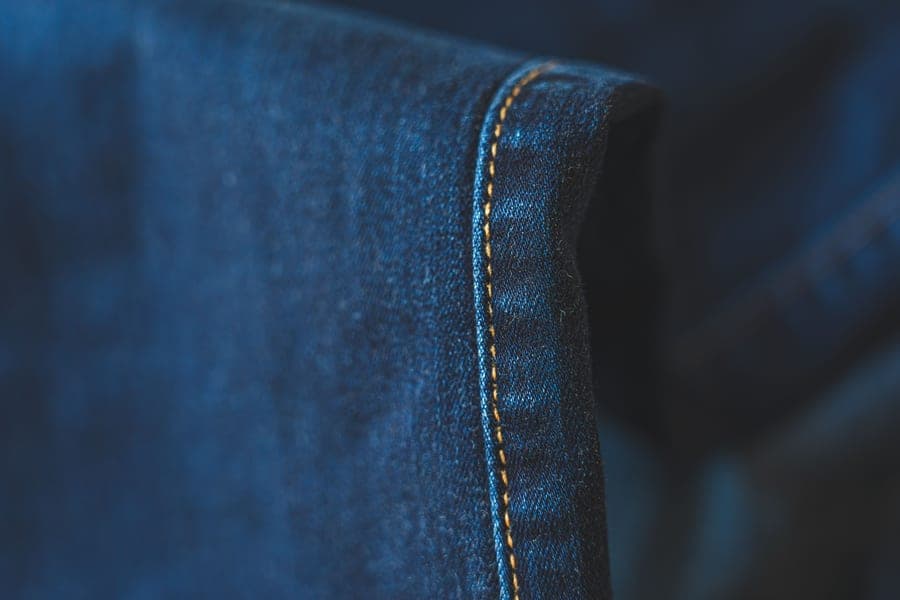
Almost every sewing site publishes roundups. Very few publish a proper review of each individual machine, which is odd, because by the time you have shortlisted one model the roundup has stopped being useful and the questions get specific: what is it actually like to thread? Will it cope with a folded denim hem? What will annoy me in six months?
These pages answer those questions, one machine at a time.
We do not run a test lab and we will never pretend to. That sentence costs us something - five of the nine biggest sites in this category claim hands-on testing - and it is the reason you can trust everything else on the page.
What we do instead is weigh each machine's documented features against what beginners actually struggle with, and against the long-run picture in owner feedback. Concretely, every review is built around six things:
Each of those gets a score out of ten, and the six combine into an overall figure. The scores are our judgment, not measurements, and the full rubric lives on the methodology page. They never appear in this site's structured data, because presenting an editorial score as a product review rating would contradict everything in this section.
Every machine on this site carries a “Get it if” and a “Skip it if”. The second one is the important half, and it is deliberately specific rather than hedged: not “may not suit all users” but “you will be sewing canvas regularly”.
Read the Skip lines first. If one of them describes you, you have saved yourself the rest of the page - and that is the point. A recommendation that cannot tell you who it is wrong for is not a recommendation, it is an advertisement.
Brother dominates the computerized end: the automatic threader, drop-in bobbin and one-step buttonhole appear further down its range than anyone else's, and its models are the most widely filmed. Singer's Heavy Duty line owns thick fabric, with a metal interior frame and a high presser foot lift that no plastic-bodied machine matches. Janome makes mechanical machines with the strongest longevity reputation of the three, at the cost of nearly every convenience.
That is a genuine difference in what each brand is for, and it is still less important than the specific model. Our three-brand comparison and the head-to-head comparisons are where a shortlist of two gets settled.
If you have not shortlisted yet, start with how to choose your first sewing machine or with the picks sorted by what you want to sew.
Best overall
Computerized, forgiving, and stocked with the three features that stop beginners quitting. Heavy fabric is its limit.
Best for thick fabric
Metal frame, fast motor, dials you can read at a glance. Loud, and not gentle on light fabric.
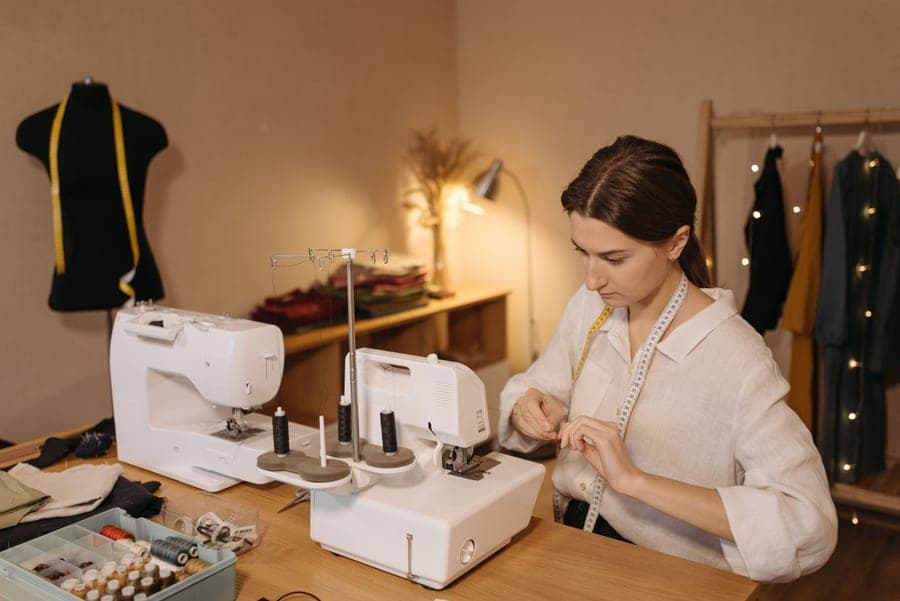
Best budget pick
The cheapest machine we would still call a real sewing machine. Threader, drop-in bobbin, one-step buttonhole.
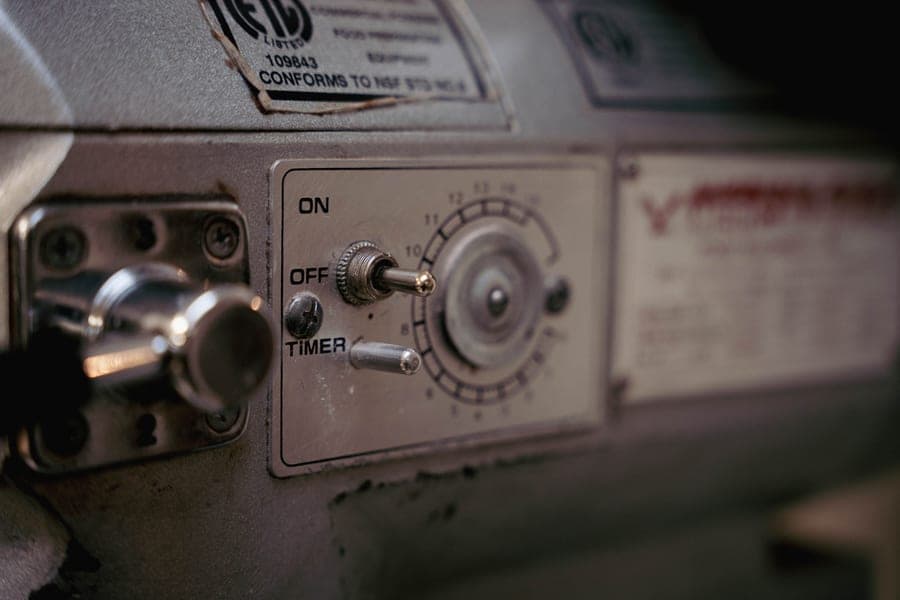
Simplest durable mechanical
Almost nothing on it can fail, and it has a drop feed for free-motion quilting. No threader, no one-step buttonhole.
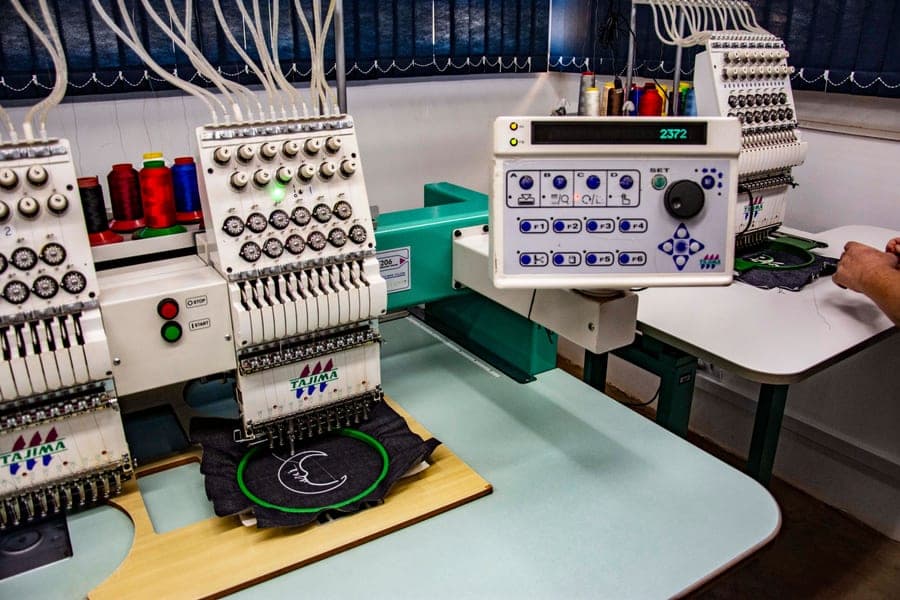
Best with embroidery
Genuine 4 x 4 inch embroidery plus a competent sewing machine. Consumables add up, and the hoop is small.
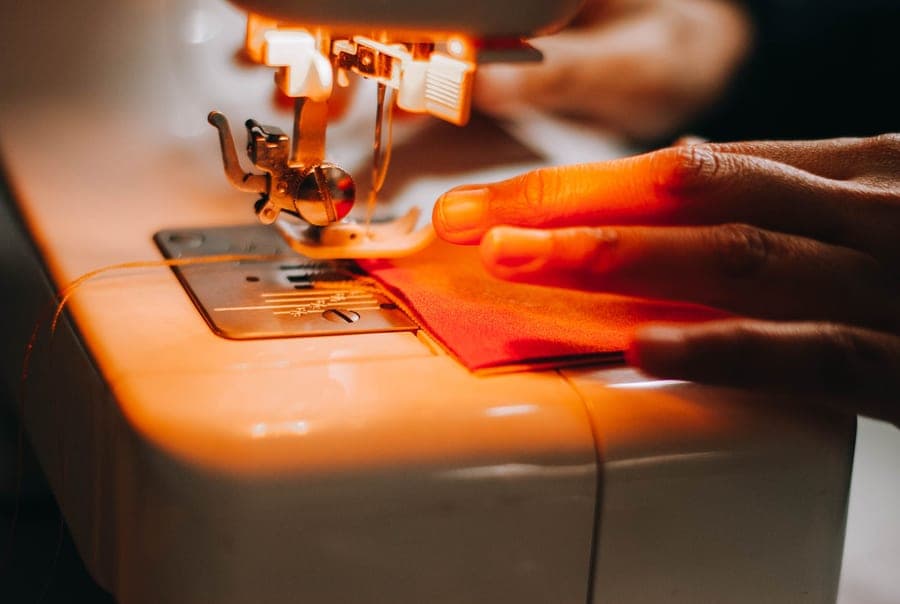
Cheap pick with more stitches
Threader, drop-in bobbin and one-step buttonhole at the cheap end. Practically interchangeable with the XM2701.
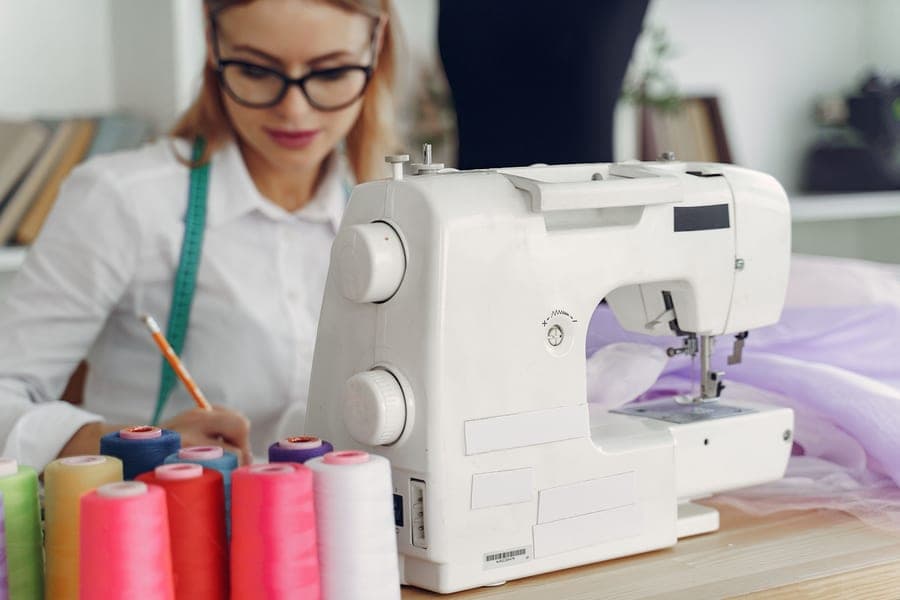
Best for children
Preset stitches, very light, genuinely hard to set up wrong. A machine you will outgrow on purpose.
Stripped-back mechanical
Adjustable stitch length and very little to learn. No threader, no drop-in bobbin, four-step buttonhole.