Guides
What age can a child use a sewing machine?
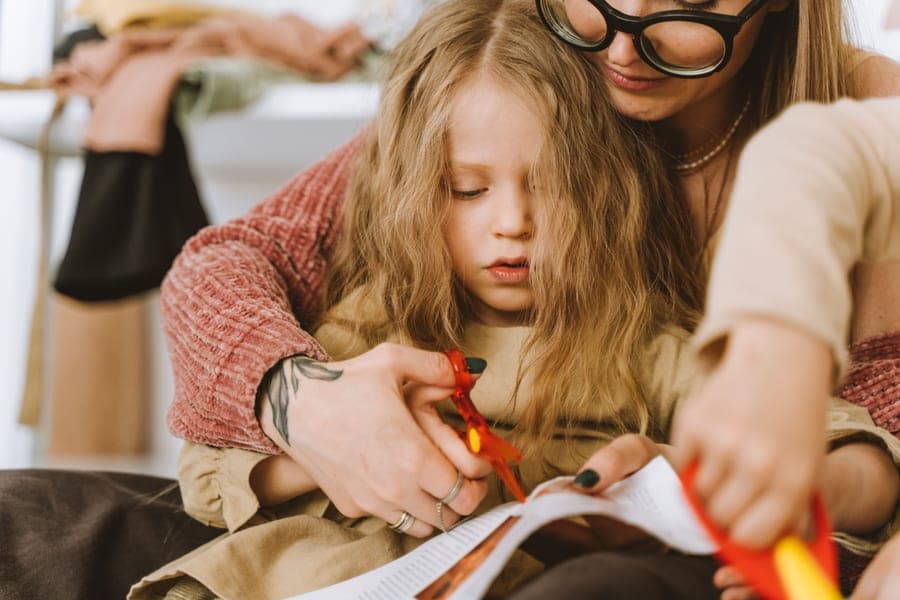
Most children can sew on a machine with an adult beside them from around six, and independently from about nine or ten. What decides it is attention span and hand control, not birthdays.
By Michael W. · Published
Disclosure: this page contains affiliate links. As an Amazon Associate, StitchStarter earns from qualifying purchases at no extra cost to you. Prices are read from Amazon daily and dated; the price you pay is the one Amazon shows at checkout. It never changes which machines we recommend. Full disclosure.
Quick picks
The short answer. Every pick is explained in full below, including who should skip it.
| # | Product | Best for | Score | Price |
|---|---|---|---|---|
| 1 | 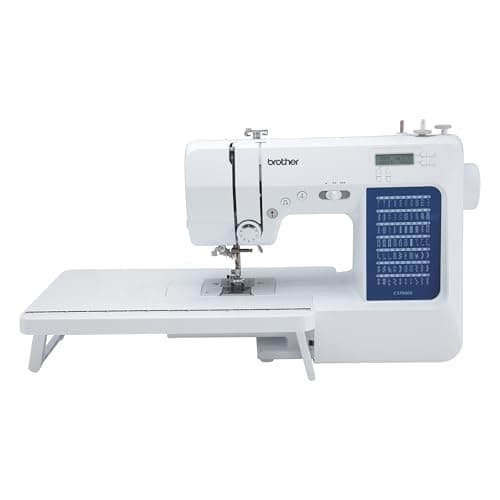 Brother CS7000XThe speed slider is the one feature that genuinely changes the risk. | Best machine for a child to learn on | 8.2 | |
| 2 | 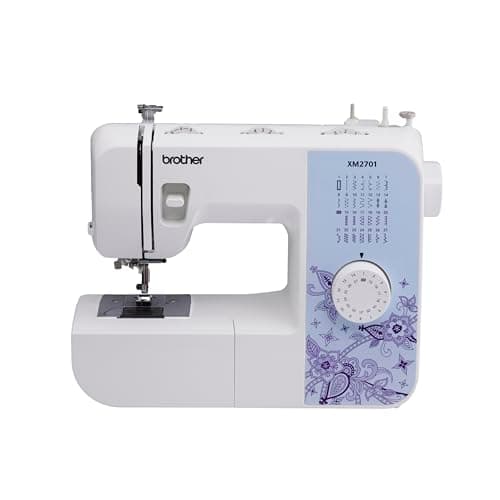 Brother XM2701Light, simple, and a real machine rather than a toy. | Best budget choice | 7.3 | |
| 3 | 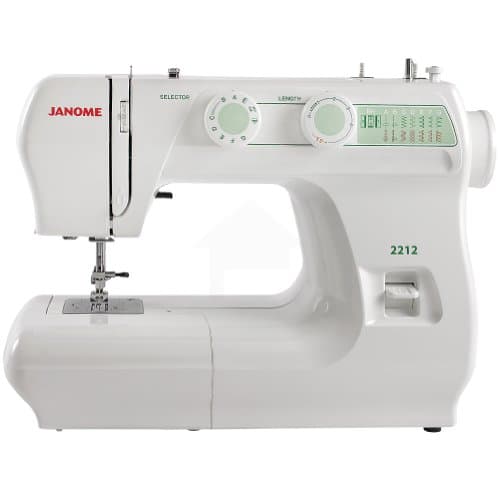 Janome 2212The machine sewing classes buy, and it will outlast their childhood. | Best for a child who will keep sewing | 7.6 |
Prices shown are Amazon prices as of November 1, 2026 and can change.Scores are our editorial judgment on six axes, explained on the methodology page. We do not run a test lab and never claim to.
The practical answer: around six with an adult sitting beside them, and around nine or ten sewing independently — but age is a poor predictor and the real test is simpler. A child is ready to sew on a machine when they can do three things: keep both hands away from the needle while the machine is running, stop when asked immediately, and stay interested for fifteen minutes.
A four-year-old who can do all three is safer at a machine than a seven-year-old who cannot. If you want one checkable test, it is the second: a child who cannot reliably take their foot off the pedal when you say stop is not ready yet, and will be in a few months.
What children can usually do, by stage
A rough guide, not a rule. Every child arrives at these at a different time.
The machine features that genuinely matter for a child
A speed-control slider. This is the one. It caps the maximum speed regardless of how hard the pedal is pressed, which removes the single biggest hazard — a child pressing down in surprise and the machine running away. Nothing else on this list is close in importance, and it is the reason the Brother CS7000X leads our picks here while the Singer Heavy Duty machines, excellent as they are, do not appear at all: they have no speed limiter and run at 1,100 stitches per minute.
A needle guard or finger guard. A small plastic shield in front of the needle. Useful, and worth fitting if the machine came with one.
An automatic needle threader and a drop-in bobbin. Not safety features — patience features. Threading is where children lose interest, and a machine that threads itself keeps a session on the rails.
A start/stop button, if the machine has one. Some computerized machines can sew without the foot pedal at all, which gives a young child one less thing to coordinate.
Weight, in both directions. Light enough to put away, heavy enough not to skid across the table.
What is not on the list: a toy or mini machine. They have no adjustable stitch length, plastic internal drives and bobbin cases that drift out of alignment, and a child who struggles with one concludes they cannot sew. Our roundup for kids and cheap machines page both cover where the floor of usable quality sits.
The safety rules worth keeping
Fingers behind an imaginary line. Pick a visible landmark on the machine bed — the edge of the foot, the start of the plate markings — and make the rule that fingers never cross it while the machine is running. A concrete line beats “be careful”.
Set the speed before they sit down. Not after they start.
Hair tied back, no loose sleeves or dangling cords.
Pins out of the fabric before it goes under the needle, or use clips instead. A needle hitting a pin can break and throw a fragment.
The pedal on the floor, the machine unplugged when not in use.
Eyes on the fabric and the guide, not the needle. This is a technique point, but it is also a safety point: a child watching the guide has their hands in the right place. Our guide to sewing a straight line explains the habit.
Three machines for a child
A real machine with controllable speed beats a toy at any age. These are the three we would put in front of a child, in order of how much the speed control matters to you.
Brother CS7000X
The speed-control slider is the single feature that changes the risk profile for a child. Add an automatic threader and a bobbin you can see and sessions actually finish.
Skip it if You want physical dials instead of a menu, or you will be sewing canvas, upholstery or leather regularly.
Brother XM2701
A real machine at the cheap end: automatic threader, drop-in bobbin, light enough for a child to help carry. No speed limiter, so an adult needs to be beside them.
Skip it if You already know you will sew every week, or you want speed control and a quilting table.
Janome 2212
The machine sewing classes keep buying. Dials rather than menus suit a child who likes understanding how things work, and it will still be running when they are grown.
Skip it if You want an automatic threader, a one-step buttonhole or a drop-in bobbin - it has none of them.
#ad - buy links go to Amazon and earn us a commission at no extra cost to you. Prices shown are Amazon prices as of November 1, 2026 and can change. Full disclosure.
How to run a first session that ends well
Keep it to twenty minutes, and finish something. A pincushion, a doll blanket, a drawstring bag — a completed object is the entire payoff at this age, and an unfinished one is why children do not come back to the machine.
Sew without thread first. Let them run lines on paper or scrap fabric with an unthreaded needle, so they learn the pedal and the guide with nothing to go wrong. Then thread it and sew the real thing.
Use quilting cotton. It is stable, cheap and forgiving, and it will not slide or stretch while they are learning to steer. Our easiest fabrics guide explains why, and what to sew first has projects that teach something.
The picks in full
01 - Best machine for a child to learn on
Brother CS7000X
Does the fiddly parts for you so you can spend your energy learning to sew.
- 70 built-in stitches, 7 one-step buttonholes
- Automatic needle threader, drop-in top bobbin
- Speed-control slider
- Wide table and 10 presser feet included
- Get it if
- You want threading, buttonholes and stitch settings handled by the machine, and you might try quilting later - the wide table is already in the box.
- Skip it if
- You want physical dials instead of a menu, or you will be sewing canvas, upholstery or leather regularly.
The trade-off
A metal internal frame inside a light plastic shell. That makes it easy to carry and quiet on cottons and mid-weights; it is not built for heavy layers every day the way a Heavy Duty is.
How the Brother CS7000X scores
Our judgment on the six axes described on the methodology page. Not measurements - we do not run a test lab.
- Setup and threading
- 9/10
- Everyday stitch quality
- 8/10
- Thick fabric
- 6/10
- Beginner features
- 9/10
- Durability reputation
- 7/10
- Help for this exact model
- 10/10
Overall 8.2/10
02 - Best budget choice
Brother XM2701
The find-out-if-I-actually-like-this machine.
- 27 stitches, one-step buttonhole
- Automatic needle threader, drop-in bobbin
- 6 presser feet included
- Light enough to carry to a class
- Get it if
- You are not sure sewing will stick and you want a real, capable machine without spending what a better one costs.
- Skip it if
- You already know you will sew every week, or you want speed control and a quilting table.
The trade-off
Lightweight and basic. It does everything a beginner needs - buttonholes, zippers, hems - but you will outgrow it sooner than the CS7000X.
How the Brother XM2701 scores
Our judgment on the six axes described on the methodology page. Not measurements - we do not run a test lab.
- Setup and threading
- 9/10
- Everyday stitch quality
- 7/10
- Thick fabric
- 5/10
- Beginner features
- 7/10
- Durability reputation
- 6/10
- Help for this exact model
- 9/10
Overall 7.3/10
03 - Best for a child who will keep sewing
Janome 2212
Twelve stitches, nothing to break - the classroom favorite.
- 12 stitches, dial controls, four-step buttonhole
- Drop feed for free-motion quilting
- Free arm for cuffs and sleeves
- A reputation for lasting decades
- Get it if
- You value reliability over conveniences and want a machine still working long after the computerized ones are gone.
- Skip it if
- You want an automatic threader, a one-step buttonhole or a drop-in bobbin - it has none of them.
The trade-off
Fewer conveniences, more longevity. The four-step buttonhole and front-loading bobbin are a little more work to learn.
How the Janome 2212 scores
Our judgment on the six axes described on the methodology page. Not measurements - we do not run a test lab.
- Setup and threading
- 6/10
- Everyday stitch quality
- 9/10
- Thick fabric
- 7/10
- Beginner features
- 4/10
- Durability reputation
- 10/10
- Help for this exact model
- 7/10
Overall 7.6/10
Questions beginners actually ask
What age can a child use a sewing machine?
Most children can sew on a machine with an adult sitting beside them from around six, and independently from about nine or ten. Age is a weak predictor though - the real test is whether they can keep both hands away from the needle, stop the instant they are asked, and stay interested for fifteen minutes.
Is a sewing machine safe for a child?
With supervision and a low speed setting, yes. The realistic injury is a needle through a fingertip, which is painful but almost always a complete recovery. The most useful safeguards are a speed-control slider that caps the maximum speed, a clear fingers-behind-this-line rule, hair tied back and pins removed before fabric goes under the needle.
What is the best sewing machine for a child?
A real machine with a speed-control slider rather than a toy - the Brother CS7000X is our pick, because capping the top speed removes the biggest hazard. The Brother XM2701 is the budget option, and the Janome 2212 suits a child who will keep sewing for years.
Should I buy a toy or mini sewing machine for my child?
We would not. Most have no adjustable stitch length, plastic internal drives and bobbin cases that drift out of alignment, so they skip stitches on ordinary cotton. A child who fights one of those concludes that they cannot sew, which is untrue and hard to undo.
What should a child sew first?
Something small and finishable in one twenty-minute session: a pincushion, a doll blanket or a drawstring bag. Use quilting cotton because it is stable and forgiving, and let them practice the pedal on scrap with an unthreaded needle before anything real goes under the foot.
Can a 5 year old use a sewing machine?
As a two-person activity, often yes - the child presses the pedal while an adult guides the fabric, or the other way round with the speed set very low. Independent sewing at that age is uncommon. Hand sewing on a lacing card or with a blunt plastic needle is usually the better starting point.
Read next
- Best sewing machines for kids
The machines, ranked for this job.
- Best sewing machines for teens
- Easiest fabrics to sew for beginners
- What to sew first