Guides · First projects
What to sew first
Finishing something in an afternoon matters more than what it is. Here is what makes that likely.
By Michael W. · Published
Disclosure: this page contains affiliate links. As an Amazon Associate, StitchStarter earns from qualifying purchases at no extra cost to you. We do not display prices - they change daily, so every button opens the live listing. It never changes which machines we recommend. Full disclosure.
Quick picks
The short answer. Every pick is explained in full below, including who should skip it.
| # | Product | Best for | Score | Price |
|---|---|---|---|---|
| 1 | 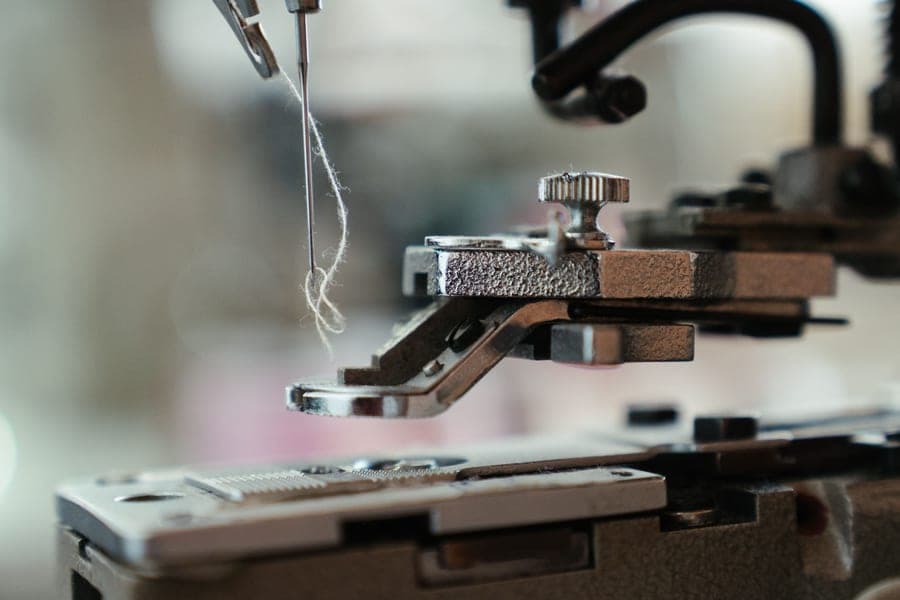 Brother CS7000XSlow it down and the first project goes well. Brother CS7000XSlow it down and the first project goes well. | Most forgiving machine to start on | 8.2 | |
| 2 | 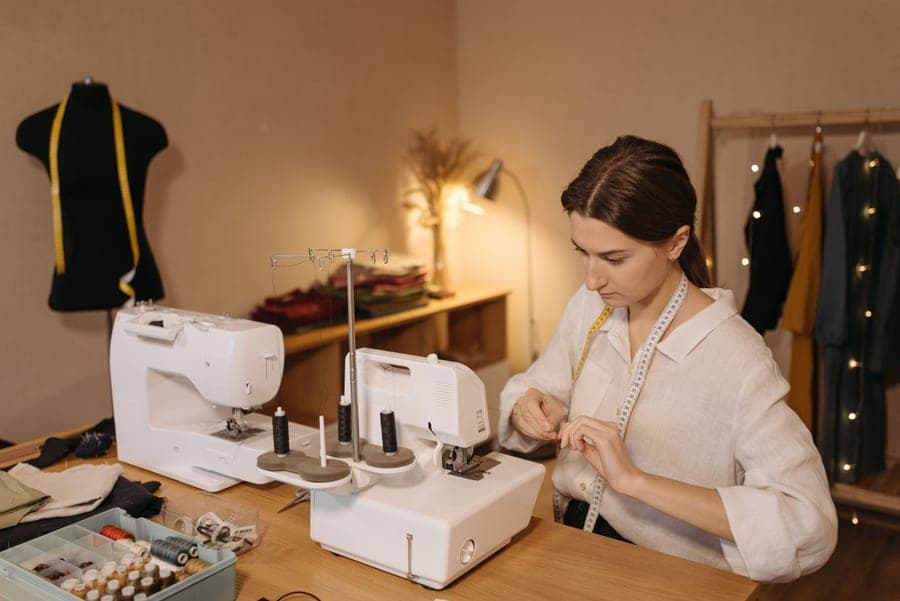 Brother XM2701Enough machine for every project on this page. Brother XM2701Enough machine for every project on this page. | Cheapest machine that will not fight you | 7.3 |
Scores are our editorial judgment on six axes, explained on the methodology page. We do not run a test lab and never claim to.
The single best predictor of whether someone keeps sewing is whether their first project got finished. Not whether it was good - finished. An unfinished ambitious project in a drawer is how most people stop.
What makes a first project forgiving
Straight seams only. Curves need practice and pivoting needs confidence. Both come quickly; neither belongs in project one.
Fabric that behaves. Quilting cotton is the beginner's friend: it holds a crease, does not slide, and shows your stitching clearly. Avoid anything slippery, stretchy or expensive.
No fitting. Anything that has to fit a body adds pattern sizing, adjustment and disappointment. Homeware does not.
Finishable in an afternoon. Momentum is the point.
Five projects that work
Do this before the first project
Thread the machine and sew lines on scrap fabric for twenty minutes. Straight lines, then lines beside a marked edge, then corners - stopping with the needle down, lifting the foot, pivoting, lowering the foot.
Then sew a sample of every stitch your machine has and label them. Our stitches guide explains what each one is for.
It is tempting to skip all of this and start the real thing. Twenty minutes of scrap is the difference between a first project that looks deliberate and one that looks like a first project.
The projects that end up in a drawer
A fitted garment with a zip and a lining. A quilt for a double bed. Anything in silk, satin, chiffon or jersey. Anything with a deadline attached - a costume for next Friday is not a first project, it is a stress test.
All of those are achievable within a few months. None of them is project one.
Machines that make the first project easier
Brother CS7000X
The speed slider lets you sew slowly and deliberately while your hands learn.
Skip it if You want physical dials instead of a menu, or you will be sewing canvas, upholstery or leather regularly.
Brother XM2701
More than enough machine for every project on this page, at the lower price.
Skip it if You already know you will sew every week, or you want speed control and a quilting table.
#ad - buy links go to Amazon and earn us a commission at no extra cost to you. Full disclosure.
The picks in full
01 - Most forgiving machine to start on
Brother CS7000X
Does the fiddly parts for you so you can spend your energy learning to sew.
- 70 built-in stitches, 7 one-step buttonholes
- Automatic needle threader, drop-in top bobbin
- Speed-control slider
- Wide table and 10 presser feet included
- Get it if
- You want threading, buttonholes and stitch settings handled by the machine, and you might try quilting later - the wide table is already in the box.
- Skip it if
- You want physical dials instead of a menu, or you will be sewing canvas, upholstery or leather regularly.
The trade-off
Light and mostly plastic. That makes it easy to carry and quiet on cottons and mid-weights; it is not built for heavy layers every day.
#ad - opens Amazon in a new tab. How we earn
How the Brother CS7000X scores
Our judgment on the six axes described on the methodology page. Not measurements - we do not run a test lab.
- Setup and threading
- 9/10
- Everyday stitch quality
- 8/10
- Thick fabric
- 6/10
- Beginner features
- 9/10
- Durability reputation
- 7/10
- Help for this exact model
- 10/10
Overall 8.2/10
02 - Cheapest machine that will not fight you
Brother XM2701
The find-out-if-I-actually-like-this machine.
- 27 stitches, one-step buttonhole
- Automatic needle threader, drop-in bobbin
- 6 presser feet included
- Light enough to carry to a class
- Get it if
- You are not sure sewing will stick and you want a real, capable machine without spending what a better one costs.
- Skip it if
- You already know you will sew every week, or you want speed control and a quilting table.
The trade-off
Lightweight and basic. It does everything a beginner needs - buttonholes, zippers, hems - but you will outgrow it sooner than the CS7000X.
#ad - opens Amazon in a new tab. How we earn
How the Brother XM2701 scores
Our judgment on the six axes described on the methodology page. Not measurements - we do not run a test lab.
- Setup and threading
- 9/10
- Everyday stitch quality
- 7/10
- Thick fabric
- 5/10
- Beginner features
- 7/10
- Durability reputation
- 6/10
- Help for this exact model
- 9/10
Overall 7.3/10
Questions beginners actually ask
What should a beginner sew first?
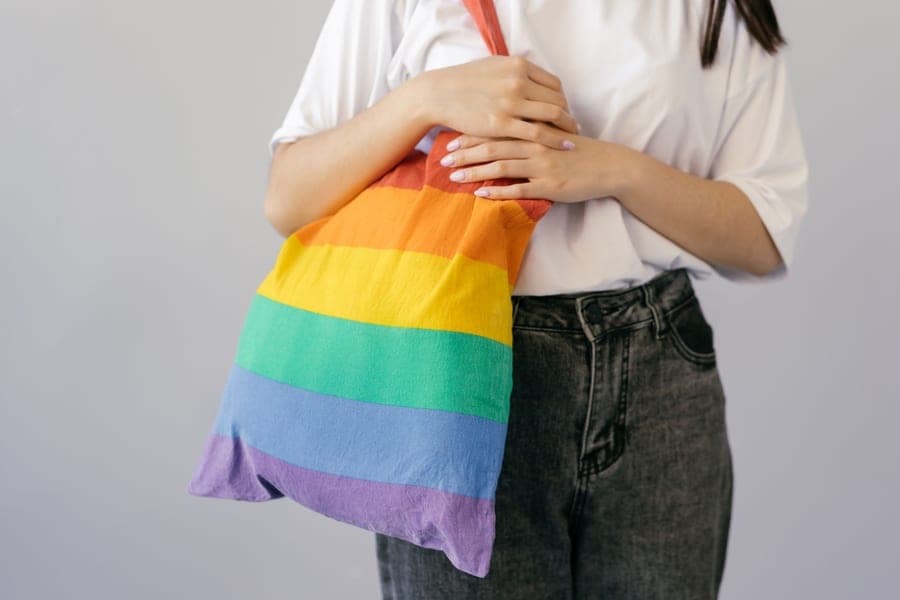
A tote bag or an envelope-back cushion cover. Both are straight seams in forgiving quilting cotton, need no fitting, and can be finished in an afternoon - which matters more than what the project is.
What fabric is best for a first sewing project?
Quilting cotton. It holds a crease, does not slide around under the foot, and shows your stitching clearly so you can see what is happening. Avoid slippery, stretchy or expensive fabric entirely at first.
Should I practice before my first project?
Yes - twenty minutes on scrap fabric. Sew straight lines, then lines beside a marked edge, then corners with the needle-down pivot. Then sew a labeled sample of every stitch your machine has.
What should a beginner not sew first?
A fitted garment with a zip and lining, a large quilt, anything in silk, satin, chiffon or jersey, and anything with a deadline. All are achievable within a few months; none belongs in project one.
Sources
Specifications are taken from manufacturer listings. We do not run a test lab and never claim to - how each machine is assessed is set out on our methodology page.