Guides · New or secondhand
New vs used sewing machines for a first-time buyer
Old all-metal machines are wonderful. They are also a gamble if nobody can help you check one.
By Michael W. · Published
Disclosure: this page contains affiliate links. As an Amazon Associate, StitchStarter earns from qualifying purchases at no extra cost to you. We do not display prices - they change daily, so every button opens the live listing. It never changes which machines we recommend. Full disclosure.
Quick picks
The short answer. Every pick is explained in full below, including who should skip it.
| # | Product | Best for | Score | Price |
|---|---|---|---|---|
| 1 |  Brother XM2701A warranty, a manual, and tutorials for your exact model. Brother XM2701A warranty, a manual, and tutorials for your exact model. | Best new machine at used-machine money | 7.3 | |
| 2 |  Janome 2212Mechanical, serviceable, built to keep going. Janome 2212Mechanical, serviceable, built to keep going. | Best new machine for people who want old | 7.6 |
Scores are our editorial judgment on six axes, explained on the methodology page. We do not run a test lab and never claim to.
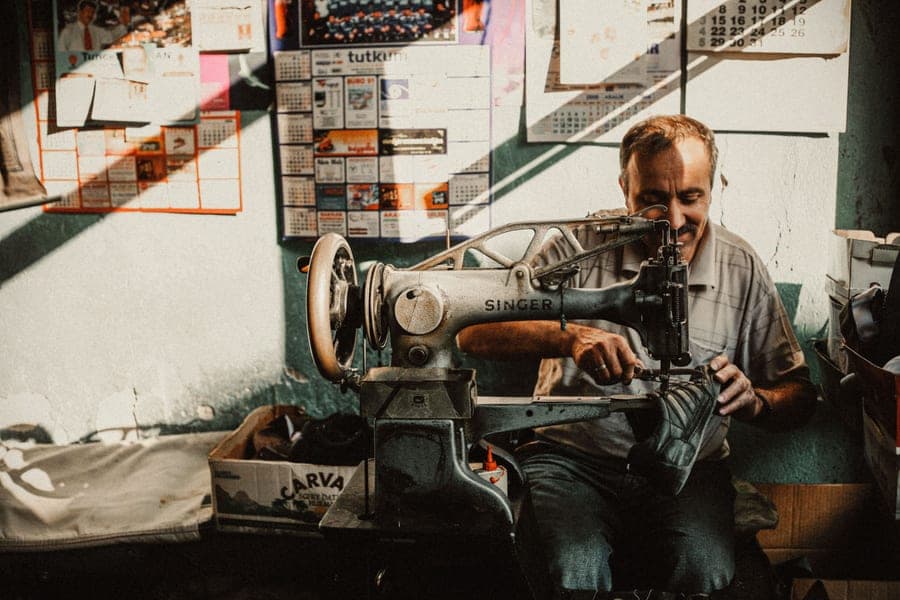
The case for a used sewing machine is genuinely strong. Old all-metal machines from the 1950s to the 1970s were built to be serviced rather than replaced, they sew beautifully, and they routinely turn up for very little money.
The case against is equally real: as a first machine with no one to help, a machine that needs work is indistinguishable from a machine that is broken.
When used is the better buy
You know someone who sews. This is the decisive factor. Someone who can run a test seam, listen to the motor and check the timing turns a gamble into a bargain.
There is a repair shop near you. A service costs less than most new machines and transforms a neglected machine.
You want a mechanical machine anyway. The used market is overwhelmingly mechanical, so if dials are what you want, the odds are good.
What to check before you pay
When new is the safer bet
A new machine comes with three things a used machine usually does not: a warranty, a manual for your exact model, and hundreds of tutorial videos showing your exact threading path. For a beginner learning alone, that last one is worth more than it sounds.
It also comes with a known starting point. When a new machine misbehaves, the cause is almost always threading or the needle - not forty years of wear you cannot assess. Our troubleshooting pages assume a machine that is fundamentally sound.
If you have inherited one
Before buying anything, get the inherited machine serviced. Many machines described as broken need cleaning, oiling and a new needle. A service is usually far cheaper than a new machine, and an old all-metal machine in good order is better than most new machines at the low end.
Our maintenance guide covers what you can safely do yourself first.
The picks in full
01 - Best new machine at used-machine money
Brother XM2701
The find-out-if-I-actually-like-this machine.
- 27 stitches, one-step buttonhole
- Automatic needle threader, drop-in bobbin
- 6 presser feet included
- Light enough to carry to a class
- Get it if
- You are not sure sewing will stick and you want a real, capable machine without spending what a better one costs.
- Skip it if
- You already know you will sew every week, or you want speed control and a quilting table.
The trade-off
Lightweight and basic. It does everything a beginner needs - buttonholes, zippers, hems - but you will outgrow it sooner than the CS7000X.
#ad - opens Amazon in a new tab. How we earn
How the Brother XM2701 scores
Our judgment on the six axes described on the methodology page. Not measurements - we do not run a test lab.
- Setup and threading
- 9/10
- Everyday stitch quality
- 7/10
- Thick fabric
- 5/10
- Beginner features
- 7/10
- Durability reputation
- 6/10
- Help for this exact model
- 9/10
Overall 7.3/10
02 - Best new machine for people who want old
Janome 2212
Twelve stitches, nothing to break - the classroom favorite.
- 12 stitches, dial controls, four-step buttonhole
- Drop feed for free-motion quilting
- Free arm for cuffs and sleeves
- A reputation for lasting decades
- Get it if
- You value reliability over conveniences and want a machine still working long after the computerized ones are gone.
- Skip it if
- You want an automatic threader, a one-step buttonhole or a drop-in bobbin - it has none of them.
The trade-off
Fewer conveniences, more longevity. The four-step buttonhole and front-loading bobbin are a little more work to learn.
#ad - opens Amazon in a new tab. How we earn
How the Janome 2212 scores
Our judgment on the six axes described on the methodology page. Not measurements - we do not run a test lab.
- Setup and threading
- 6/10
- Everyday stitch quality
- 9/10
- Thick fabric
- 7/10
- Beginner features
- 4/10
- Durability reputation
- 10/10
- Help for this exact model
- 7/10
Overall 7.6/10
Questions beginners actually ask
Is a used sewing machine a good first machine?
It can be - old all-metal machines are wonderful - but only if you have someone who can check it runs and service it. As a first machine with no help, a new machine with a warranty, a manual and tutorials for your exact model is the safer bet.
What should I check when buying a used sewing machine?
Ask to see it sew a seam on scrap fabric and look at the underside of the stitching. Check the bobbin race for rust, confirm the foot pedal, cord and bobbins are present, and listen for grinding rather than a steady hum. If the seller will not demonstrate it, walk away.
Are old sewing machines better than new ones?
Old all-metal mechanical machines were built to be serviced rather than replaced, and in good order they sew beautifully. They have no automatic threader, no one-step buttonhole and no speed limiter, so 'better' depends on whether you value durability or an easier first month.
Should I avoid used computerized machines?
Be cautious with early computerized machines from the 1990s and 2000s. When the electronics fail, parts are usually unavailable and the machine is scrap - a failure mode old mechanical machines simply do not have.
Sources
Specifications are taken from manufacturer listings. We do not run a test lab and never claim to - how each machine is assessed is set out on our methodology page.