Guides
Do you need a sewing table?
No - but you do need the three things a sewing table provides, and two of them you can get from a dining table and a cushion. Here is what actually matters.
By Michael W. · Published
Disclosure: this page contains affiliate links. As an Amazon Associate, StitchStarter earns from qualifying purchases at no extra cost to you. Prices are read from Amazon daily and dated; the price you pay is the one Amazon shows at checkout. It never changes which machines we recommend. Full disclosure.
Quick picks
The short answer. Every pick is explained in full below, including who should skip it.
| # | Product | Best for | Score | Price |
|---|---|---|---|---|
| 1 | 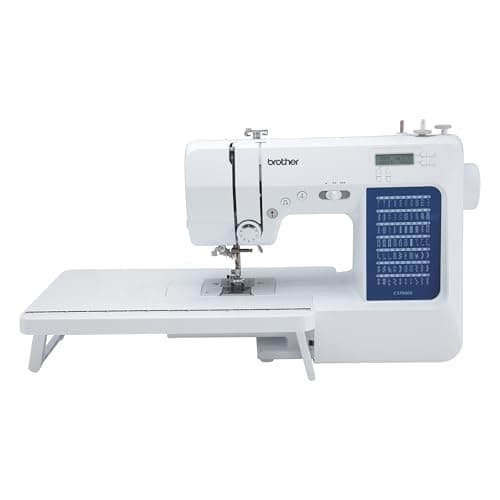 Brother CS7000XLight, quiet, and the wide table is already in the box. | Best machine for an ordinary table | 8.2 | |
| 2 | 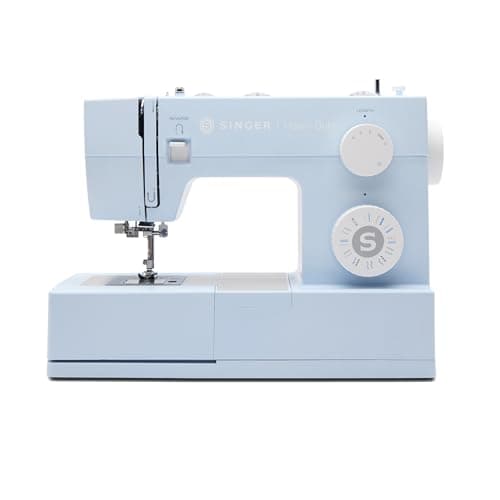 Singer Heavy Duty 4423Metal frame and a fast motor want something that does not bounce. | Best if your surface is solid | 7.8 | |
| 3 | 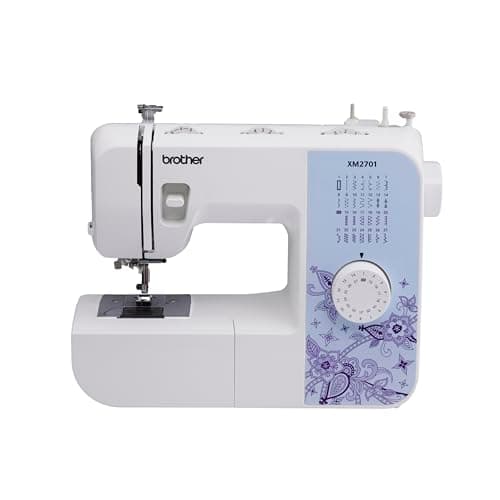 Brother XM2701Light enough to lift one-handed into a cupboard. | Best if it has to be put away each time | 7.3 |
Prices shown are Amazon prices as of November 1, 2026 and can change.Scores are our editorial judgment on six axes, explained on the methodology page. We do not run a test lab and never claim to.
No, you do not need a sewing table. You need three things, and a dedicated sewing table is simply the most convenient way to buy all three at once: a surface that does not flex, the right height relative to your chair, and support for the fabric to the left of and behind the machine. A dining table, a sturdy desk or a kitchen worktop gives you the first. A cushion or an adjustable chair gives you the second. An ironing board at the right height, a second chair or a stack of books gives you the third.
What a purpose-made sewing table adds beyond that is a recessed well that drops the machine’s bed flush with the table surface. That is a real benefit — it means large work is supported in the same plane as the needle rather than hanging off a 10cm ledge — and it is also the only thing on this page you cannot improvise. If you quilt, it eventually becomes worth it. For everything else, it does not.
The three things that actually matter
What a sewing table provides, and what you can substitute.
The height rule, because it is the one people get wrong
Sit at your machine with your hands resting where the fabric will be. Your forearms should be roughly parallel to the floor, your shoulders relaxed and down, and your wrists straight. If your shoulders are up near your ears, the surface is too high — and a standard dining table is too high for most people sewing from a standard dining chair.
The fix is almost always the chair, not the table. A cushion, or better, an adjustable office chair, costs nothing compared to furniture and solves the real problem. Sewing-specific tables tend to sit a little lower than dining height for exactly this reason.
How much space does the whole setup need?
Less than people assume for the machine, more than they assume for the fabric. Our guide to how much space a sewing machine needs has the measurements in full; the short version is that the machine itself occupies roughly the footprint of a large microwave, and the useful working area is about twice that again to the left.
If the machine has to live in a cupboard and come out for each session, weight becomes the deciding specification rather than any feature. That is a genuine argument for a lighter machine, and our portable machines roundup ranks them on exactly that basis.
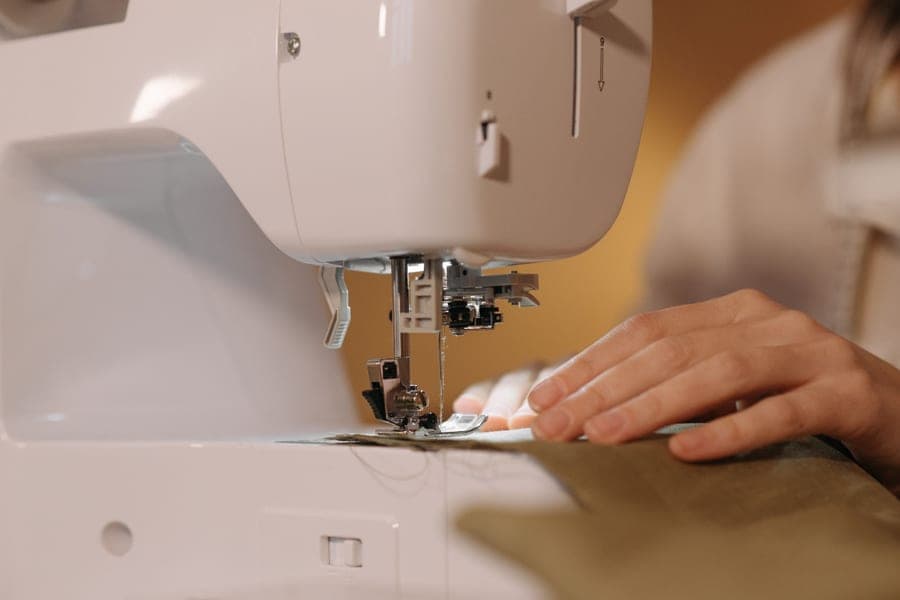
When a sewing table is genuinely worth buying
If you quilt. Quilt tops are heavy and large, and the flush bed plus the wide surface changes the job rather than just making it nicer. See do you need a special machine for quilting and our quilting roundup.
If the machine lives out permanently. A table you never have to clear is the difference between sewing for twenty minutes and not bothering. That is worth more than most machine features.
If you have back, neck or shoulder trouble. Correct, adjustable height stops being a nicety.
If you sew heavy fabric. A Heavy Duty machine at 1,100 stitches per minute on a flexing surface is unpleasant and imprecise. Here the table is doing real work.
Machines that suit each kind of surface
The practical connection between furniture and machine: a light machine suits a table it has to leave, a fast heavy one needs a surface that does not move.
Brother CS7000X
Quiet, light, and the wide extension table is included - which is the nearest thing to a recessed sewing table you can get without furniture.
Skip it if You want physical dials instead of a menu, or you will be sewing canvas, upholstery or leather regularly.
Singer Heavy Duty 4423
Metal frame, 1,100 stitches a minute. It is the machine on this site that most rewards a solid, non-flexing surface.
Skip it if You mostly want gentle control on light fabrics, or a quiet machine for an apartment.
Brother XM2701
Genuinely light. The pick if the machine has to be lifted in and out of a cupboard for every session.
Skip it if You already know you will sew every week, or you want speed control and a quilting table.
#ad - buy links go to Amazon and earn us a commission at no extra cost to you. Prices shown are Amazon prices as of November 1, 2026 and can change. Full disclosure.
The picks in full
01 - Best machine for an ordinary table
Brother CS7000X
Does the fiddly parts for you so you can spend your energy learning to sew.
- 70 built-in stitches, 7 one-step buttonholes
- Automatic needle threader, drop-in top bobbin
- Speed-control slider
- Wide table and 10 presser feet included
- Get it if
- You want threading, buttonholes and stitch settings handled by the machine, and you might try quilting later - the wide table is already in the box.
- Skip it if
- You want physical dials instead of a menu, or you will be sewing canvas, upholstery or leather regularly.
The trade-off
A metal internal frame inside a light plastic shell. That makes it easy to carry and quiet on cottons and mid-weights; it is not built for heavy layers every day the way a Heavy Duty is.
How the Brother CS7000X scores
Our judgment on the six axes described on the methodology page. Not measurements - we do not run a test lab.
- Setup and threading
- 9/10
- Everyday stitch quality
- 8/10
- Thick fabric
- 6/10
- Beginner features
- 9/10
- Durability reputation
- 7/10
- Help for this exact model
- 10/10
Overall 8.2/10
02 - Best if your surface is solid
Singer Heavy Duty 4423
Fast, sturdy and simple - the machine for denim hems and tote bags.
- Metal interior frame, stainless steel bedplate
- 1,100 stitches per minute
- 23 stitches (97 stitch applications), one-step buttonhole, automatic threader
- Top drop-in bobbin with a clear cover
- Extra-high presser foot lift for thick layers
- Get it if
- You want physical dials, you plan to sew jeans, canvas or several layers, and you do not mind a machine that is loud and quick.
- Skip it if
- You mostly want gentle control on light fabrics, or a quiet machine for an apartment.
The trade-off
Heavy duty means a metal frame and a fast motor, not an industrial machine. It handles denim well; real leather is still a struggle.
How the Singer Heavy Duty 4423 scores
Our judgment on the six axes described on the methodology page. Not measurements - we do not run a test lab.
- Setup and threading
- 7/10
- Everyday stitch quality
- 8/10
- Thick fabric
- 9/10
- Beginner features
- 6/10
- Durability reputation
- 8/10
- Help for this exact model
- 9/10
Overall 7.8/10
03 - Best if it has to be put away each time
Brother XM2701
The find-out-if-I-actually-like-this machine.
- 27 stitches, one-step buttonhole
- Automatic needle threader, drop-in bobbin
- 6 presser feet included
- Light enough to carry to a class
- Get it if
- You are not sure sewing will stick and you want a real, capable machine without spending what a better one costs.
- Skip it if
- You already know you will sew every week, or you want speed control and a quilting table.
The trade-off
Lightweight and basic. It does everything a beginner needs - buttonholes, zippers, hems - but you will outgrow it sooner than the CS7000X.
How the Brother XM2701 scores
Our judgment on the six axes described on the methodology page. Not measurements - we do not run a test lab.
- Setup and threading
- 9/10
- Everyday stitch quality
- 7/10
- Thick fabric
- 5/10
- Beginner features
- 7/10
- Durability reputation
- 6/10
- Help for this exact model
- 9/10
Overall 7.3/10
Questions beginners actually ask
Do you need a special table for a sewing machine?
No. You need a surface that does not flex, the right height relative to your forearms, and support for the fabric to the left of and behind the machine. A dining table or solid desk plus an adjustable chair covers almost all of it. The one thing you cannot improvise is a recessed well that drops the machine bed flush with the surface.
What height should a sewing table be?
Low enough that when your hands rest where the fabric will be, your forearms are roughly parallel to the floor and your shoulders are relaxed and down. Standard dining height is usually too high with a standard dining chair, and the cheapest fix is the chair rather than the table.
Can I use a dining table for sewing?
Yes, and most people start there. It is solid, which is the most important property. Raise your seat with a cushion or use an adjustable chair to fix the height, add a lamp, and put something to the left of the machine - a side table or an ironing board - to support fabric so it does not drag the seam crooked.
Is a sewing table worth it for quilting?
Yes, this is the clearest case. A quilt top is large and heavy, and a flush machine bed plus a wide surface changes how the job goes rather than just making it more comfortable. If you are not quilting, a clip-on extension table is usually enough.
What else do I need to set up a sewing space?
A lamp that lights the needle from the side, a chair at the right height, fabric support to the left of the machine, and somewhere to press within reach. Pressing as you go is most of what separates homemade from handmade, and if the iron is in another room you will skip it.