Guides
How to sew a zipper
A zipper is a straight seam with a hard bit in the middle. Get the basting and the foot right and the hard bit disappears.
By Michael W. · Published
Disclosure: this page contains affiliate links. As an Amazon Associate, StitchStarter earns from qualifying purchases at no extra cost to you. Prices are read from Amazon daily and dated; the price you pay is the one Amazon shows at checkout. It never changes which machines we recommend. Full disclosure.
Quick picks
The short answer. Every pick is explained in full below, including who should skip it.
| # | Product | Best for | Score | Price |
|---|---|---|---|---|
| 1 | 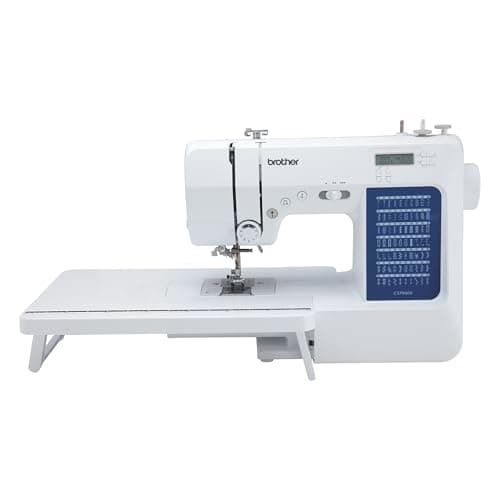 Brother CS7000XA zipper foot included, plus a speed slider for creeping past the teeth. Brother CS7000XA zipper foot included, plus a speed slider for creeping past the teeth. | Best for zippers | 8.2 | |
| 2 | 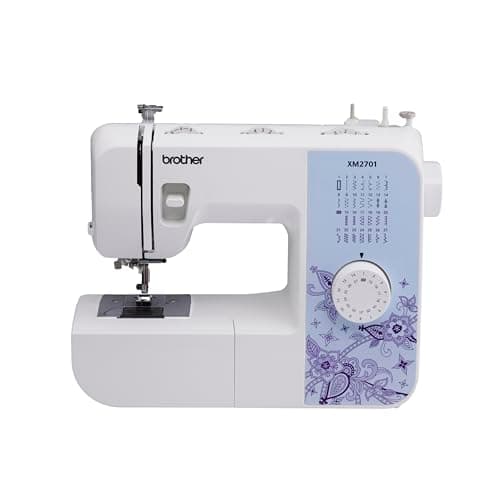 Brother XM2701Zipper foot in the box of six, and a straight stitch that behaves. Brother XM2701Zipper foot in the box of six, and a straight stitch that behaves. | Best cheap machine with a zipper foot | 7.3 | |
| 3 | 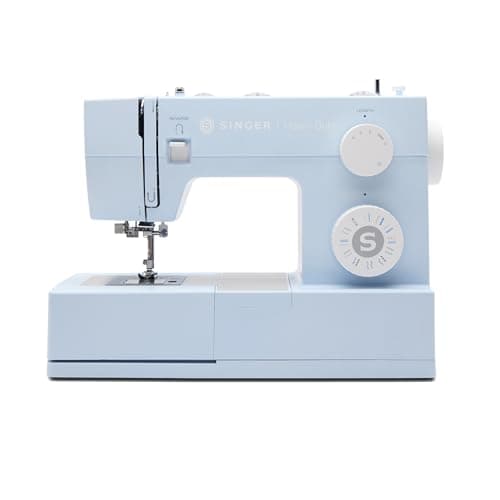 Singer Heavy Duty 4423The frame and foot lift for a zipper in heavy fabric. Singer Heavy Duty 4423The frame and foot lift for a zipper in heavy fabric. | Best for jeans and jacket zippers | 7.8 |
Prices shown are Amazon prices as of October 10, 2026 and can change.Scores are our editorial judgment on six axes, explained on the methodology page. We do not run a test lab and never claim to.
A zipper is sewn in five steps: baste the seam closed, press it open, pin or tape the zipper face down over the basted seam, stitch down both sides and across the bottom with a zipper foot, then unpick the basting to reveal the teeth. That is the centered zipper, it is the one every pattern teaches first, and it is the one to learn.
Almost every beginner zipper problem comes from skipping the basting. The basted seam is what holds the opening perfectly aligned while you sew, and without it you are trying to stitch two independent edges into a straight line at the same time as steering around a plastic obstacle.
What you need before you start
A zipper foot. A narrow foot that attaches off to one side of the needle so you can stitch close to the zipper teeth without the foot riding over them. Most machines include one in the accessory box - the CS7000X and the XM2701 both do. Our presser feet guide shows how it differs from the standard foot.
The right zipper length. Take it from the pattern. A zipper longer than the opening can be shortened; one shorter than the opening cannot be fixed.
Basting tape or hand-basting thread. Double-sided basting tape is the easiest route for a beginner - it holds the zipper exactly where you put it with no pins to pivot around.
A pressed seam. Not optional. Every step below assumes the seam allowance is pressed flat and open, and a zipper sewn into an unpressed seam will never lie flat afterward.
The centered zipper, step by step
1. Sew the seam below the opening. With right sides together, stitch the seam normally from the bottom up to the point where the zipper opening starts, then backstitch to lock it.
2. Baste the opening closed. Change to the longest straight stitch your machine has - usually 4 to 5mm - and sew straight on up the opening at the same seam allowance. Do not backstitch; you want to pull this out later.
3. Press the whole seam open. Flat, from the wrong side, including the basted section.
4. Position the zipper face down. Lay the closed zipper with its teeth centered exactly over the basted seam line, right side against the wrong side of the fabric, and tape or baste it in place. The pull tab goes at the top.
5. Stitch from the right side. Fit the zipper foot, turn the work over, and topstitch a scant quarter inch to one side of the seam line from the top down, pivot across the bottom below the zipper stop, and come up the other side. Go slowly - this is where a speed slider earns its keep.
6. Unpick the basting. Snip one basting stitch and pull. The seam opens, the zipper appears, and the job is done.
What the zipper foot actually does
A standard presser foot has the needle in the middle and material on both sides. That works until one of those sides is a ridge of plastic teeth, at which point the foot rocks up onto the ridge, the fabric stops feeding evenly, and the stitch line wanders.
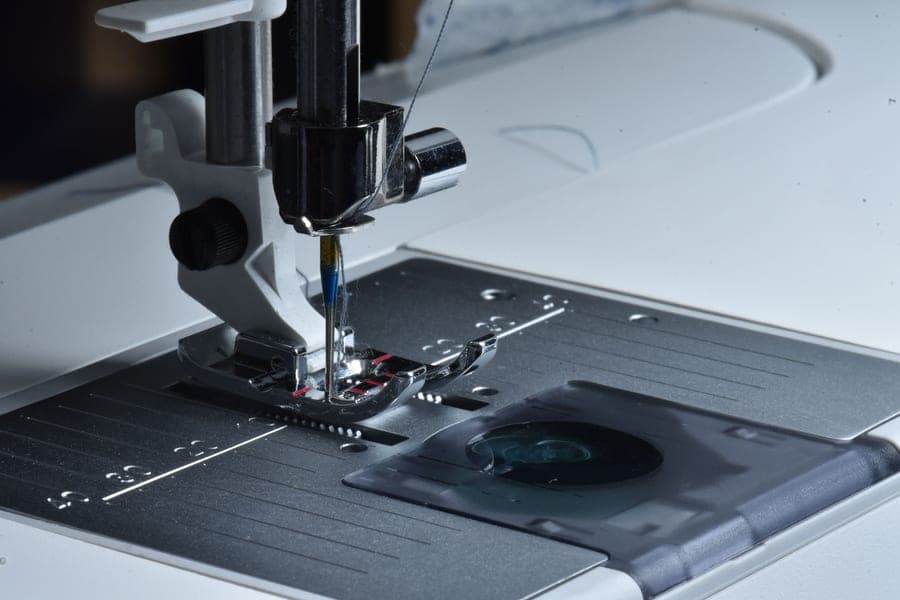
A zipper foot moves the contact area to one side only. The foot sits flat on the fabric while the needle passes close beside the teeth, so the line stays straight and you can stitch nearer the zipper than a normal foot allows. Snap-on versions flip to either side; adjustable versions slide.
Without one, you have two options. Move the needle position to the far left or right if your machine allows it, which gets you most of the way. Or sew with the standard foot a little further from the teeth, which looks slightly different and holds perfectly well. Neither is a reason not to start.
Machines that make this easier
Picked on three things: a zipper foot in the box, a straight stitch that stays straight, and the ability to slow down.
Brother CS7000X
Zipper foot included and a speed slider, which is the feature that matters most when you are creeping past a zipper stop.
Skip it if You want physical dials instead of a menu, or you will be sewing canvas, upholstery or leather regularly.
Brother XM2701
A zipper foot in the box of six at the cheap end, and a reliable straight stitch.
Skip it if You already know you will sew every week, or you want speed control and a quilting table.
Singer Heavy Duty 4423
For jeans and jacket zippers - the frame and the extra-high foot lift that thick openings need.
Skip it if You mostly want gentle control on light fabrics, or a quiet machine for an apartment.
#ad - buy links go to Amazon and earn us a commission at no extra cost to you. Prices shown are Amazon prices as of October 10, 2026 and can change. Full disclosure.
The other zipper types, briefly
What each type is for, and how hard it is to start with.
A lapped zipper hides the teeth under a fold of fabric on one side and is the traditional skirt finish. An invisible zipper disappears into the seam entirely and genuinely needs its own foot - do not attempt it with a standard zipper foot and conclude you cannot sew zippers. An exposed zipper is the easiest of all, because it is topstitched onto the surface with nothing to hide.

Zippers in jeans, bags and jackets
Thick openings change the job. The zipper tape plus two layers of denim plus a folded edge is a stack a light machine will struggle with, and the step up at the start of the seam is where needles break.
Three adjustments. Fit a denim or heavy-duty needle in size 16 - our needle guide has the chart. Use a machine with a high presser foot lift, which means the heavy-fabric machines. And walk the needle over the thickest point by turning the hand wheel by hand rather than asking the motor to do it. Our denim settings guide has the full setup.
Five things that go wrong, and the fix
The stitch line wanders. You are steering around the foot rather than letting the foot guide you. Use the zipper foot edge as your guide and keep your eye on the foot edge, not the needle.
The fabric puckers along the zipper. The zipper tape and the fabric fed at different rates. Baste more thoroughly next time, and sew both sides in the same direction - top to bottom on both - rather than up one side and down the other.
The needle hits the teeth. Stop, hand-wheel past the obstruction, and move the stitch line a hair further out. A needle that strikes a zipper stop will break, and a broken needle at speed is the main safety hazard in this whole job.
The zipper will not lie flat. The seam was not pressed open, or the zipper is longer than the opening and the excess is bunching at the top.
Stitches skip over the tape. Wrong needle for the thickness. Go up a size, and see our skipped stitches guide.
The picks in full
01 - Best for zippers
Brother CS7000X
Does the fiddly parts for you so you can spend your energy learning to sew.
- 70 built-in stitches, 7 one-step buttonholes
- Automatic needle threader, drop-in top bobbin
- Speed-control slider
- Wide table and 10 presser feet included
- Get it if
- You want threading, buttonholes and stitch settings handled by the machine, and you might try quilting later - the wide table is already in the box.
- Skip it if
- You want physical dials instead of a menu, or you will be sewing canvas, upholstery or leather regularly.
The trade-off
A metal internal frame inside a light plastic shell. That makes it easy to carry and quiet on cottons and mid-weights; it is not built for heavy layers every day the way a Heavy Duty is.
$279.99 · 11% off · price as of October 10, 2026
#ad - opens Amazon in a new tab. How we earn
How the Brother CS7000X scores
Our judgment on the six axes described on the methodology page. Not measurements - we do not run a test lab.
- Setup and threading
- 9/10
- Everyday stitch quality
- 8/10
- Thick fabric
- 6/10
- Beginner features
- 9/10
- Durability reputation
- 7/10
- Help for this exact model
- 10/10
Overall 8.2/10
02 - Best cheap machine with a zipper foot
Brother XM2701
The find-out-if-I-actually-like-this machine.
- 27 stitches, one-step buttonhole
- Automatic needle threader, drop-in bobbin
- 6 presser feet included
- Light enough to carry to a class
- Get it if
- You are not sure sewing will stick and you want a real, capable machine without spending what a better one costs.
- Skip it if
- You already know you will sew every week, or you want speed control and a quilting table.
The trade-off
Lightweight and basic. It does everything a beginner needs - buttonholes, zippers, hems - but you will outgrow it sooner than the CS7000X.
How the Brother XM2701 scores
Our judgment on the six axes described on the methodology page. Not measurements - we do not run a test lab.
- Setup and threading
- 9/10
- Everyday stitch quality
- 7/10
- Thick fabric
- 5/10
- Beginner features
- 7/10
- Durability reputation
- 6/10
- Help for this exact model
- 9/10
Overall 7.3/10
03 - Best for jeans and jacket zippers
Singer Heavy Duty 4423
Fast, sturdy and simple - the machine for denim hems and tote bags.
- Metal interior frame, stainless steel bedplate
- 1,100 stitches per minute
- 23 stitches (97 stitch applications), one-step buttonhole, automatic threader
- Top drop-in bobbin with a clear cover
- Extra-high presser foot lift for thick layers
- Get it if
- You want physical dials, you plan to sew jeans, canvas or several layers, and you do not mind a machine that is loud and quick.
- Skip it if
- You mostly want gentle control on light fabrics, or a quiet machine for an apartment.
The trade-off
Heavy duty means a metal frame and a fast motor, not an industrial machine. It handles denim well; real leather is still a struggle.
How the Singer Heavy Duty 4423 scores
Our judgment on the six axes described on the methodology page. Not measurements - we do not run a test lab.
- Setup and threading
- 7/10
- Everyday stitch quality
- 8/10
- Thick fabric
- 9/10
- Beginner features
- 6/10
- Durability reputation
- 8/10
- Help for this exact model
- 9/10
Overall 7.8/10
Questions beginners actually ask
How do you sew a zipper for the first time?
Sew the seam up to the opening, baste the opening closed with a long straight stitch, press the seam open, lay the zipper face down with its teeth centered over the basted line and tape it, topstitch down both sides and across the bottom with a zipper foot, then unpick the basting.
Do I need a zipper foot to sew a zipper?
It helps a lot and is not essential. A zipper foot sits to one side of the needle so it does not ride up on the teeth. Without one, move the needle position to the far left or right if your machine allows, or stitch slightly further from the teeth with the standard foot.
Why does my fabric pucker when I sew a zipper?
The zipper tape and the fabric fed through at different rates. Baste the zipper in place more thoroughly before stitching, and sew both sides in the same direction - top to bottom on each - rather than up one side and down the other.
What is the easiest type of zipper for a beginner?
An exposed zipper, because it is simply topstitched onto the surface with nothing to conceal. Of the concealed types, a centered zipper is the one to learn first and is what most patterns teach. Invisible zippers need their own special foot.
What needle do I use for a zipper in jeans?
A denim or heavy-duty needle in size 16. The zipper tape plus two layers of denim plus a folded edge is a thick stack, and a universal needle skips stitches or breaks. Turn the hand wheel by hand over the thickest point rather than letting the motor do it.
Can I shorten a zipper that is too long?
Yes. Mark the length you need, sew a tight bar of zigzag stitches across the teeth at that point to create a new stop, and cut below it. A zipper that is too short cannot be lengthened, so buy the longer one if you are unsure.
Sources
Specifications are taken from manufacturer listings. We do not run a test lab and never claim to - how each machine is assessed is set out on our methodology page.
Read next
- Sewing machine presser feet explained
What the zipper foot is, and the other feet worth owning.
- How to hem pants with a sewing machine
- Sewing machine settings for denim
- How to read a sewing pattern