Guides · Stitch reference
Sewing machine stitches explained
Six stitches do almost everything. The rest of the list is decoration sold as capability.
By Michael W. · Published
Disclosure: this page contains affiliate links. As an Amazon Associate, StitchStarter earns from qualifying purchases at no extra cost to you. We do not display prices - they change daily, so every button opens the live listing. It never changes which machines we recommend. Full disclosure.
Quick picks
The short answer. Every pick is explained in full below, including who should skip it.
| # | Product | Best for | Score | Price |
|---|---|---|---|---|
| 1 |  Brother CS7000XSeventy stitches, and the six that matter are all excellent. Brother CS7000XSeventy stitches, and the six that matter are all excellent. | Best stitch range you will use | 8.2 | |
| 2 |  Janome 2212Twelve stitches, and nothing missing for a beginner. Janome 2212Twelve stitches, and nothing missing for a beginner. | Proof that twelve is enough | 7.6 |
Scores are our editorial judgment on six axes, explained on the methodology page. We do not run a test lab and never claim to.
Machines are sold on stitch count, which is the least informative number on the box. Every beginner settles on the same handful of stitches within a month, and the difference between a machine with 20 and one with 200 is a library of decorative patterns you will scroll past.
The six that do almost everything
Straight stitch. The workhorse. Seams, topstitching, basting, quilting. Most of your sewing life happens here.
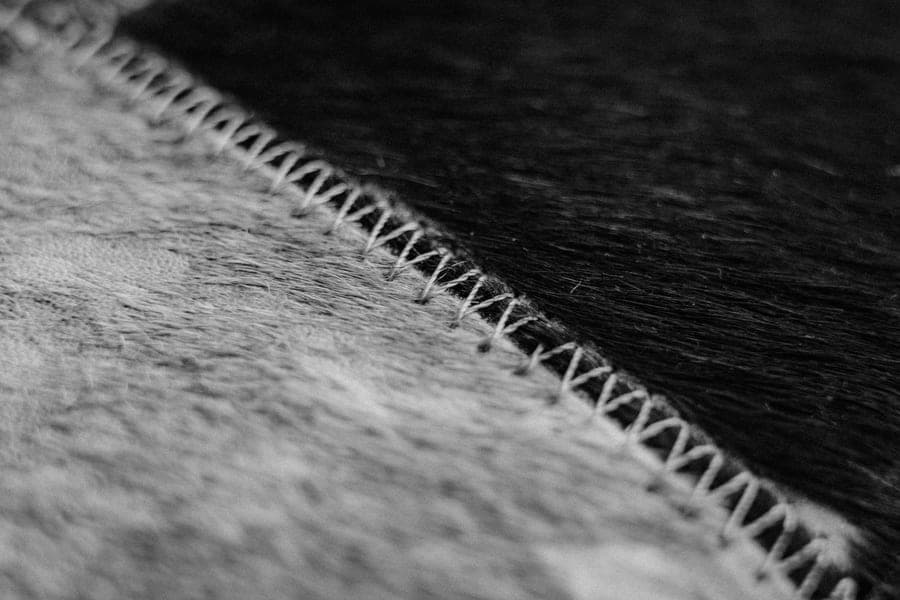
Zigzag. Finishes raw edges so they cannot fray, sews knits with a bit of give, attaches elastic and appliqué. The most useful second stitch on any machine.
Buttonhole. One-step machines size it around the button for you; four-step machines walk you round in stages. Either way it is a stitch you will use on every shirt.
Blind hem. Catches a thread or two of the outer fabric at intervals, so the hem does not show from the right side. The fastest upgrade from homemade-looking to handmade-looking.
Overcast. A zigzag variant paired with an overcasting foot that finishes an edge more neatly than a plain zigzag - and means you do not need a serger yet.
Stretch or lightning stitch. A narrow zigzag-like stitch for knits, where a straight stitch would snap when the garment is pulled on.
Stitch length and width
Length is how far the fabric moves between needle punctures, measured in millimeters. Around 2.5mm is standard. Longer suits heavy fabric and basting; shorter suits fine fabric and reinforcing.
Width only applies to stitches that move side to side. A wider zigzag covers more edge; a narrower one gives a knit seam a neater finish.
On a mechanical machine you set both yourself, which is part of why mechanical machines teach you faster - see our mechanical vs computerized guide.
Two machines, opposite stitch philosophies
Brother CS7000X
Seventy stitches - and the six that matter are all well executed, with seven buttonhole styles.
Skip it if You want physical dials instead of a menu, or you will be sewing canvas, upholstery or leather regularly.
Janome 2212
Twelve stitches, and a beginner will not find anything missing.
Skip it if You want an automatic threader, a one-step buttonhole or a drop-in bobbin - it has none of them.
#ad - buy links go to Amazon and earn us a commission at no extra cost to you. Full disclosure.
The picks in full
01 - Best stitch range you will use
Brother CS7000X
Does the fiddly parts for you so you can spend your energy learning to sew.
- 70 built-in stitches, 7 one-step buttonholes
- Automatic needle threader, drop-in top bobbin
- Speed-control slider
- Wide table and 10 presser feet included
- Get it if
- You want threading, buttonholes and stitch settings handled by the machine, and you might try quilting later - the wide table is already in the box.
- Skip it if
- You want physical dials instead of a menu, or you will be sewing canvas, upholstery or leather regularly.
The trade-off
Light and mostly plastic. That makes it easy to carry and quiet on cottons and mid-weights; it is not built for heavy layers every day.
#ad - opens Amazon in a new tab. How we earn
How the Brother CS7000X scores
Our judgment on the six axes described on the methodology page. Not measurements - we do not run a test lab.
- Setup and threading
- 9/10
- Everyday stitch quality
- 8/10
- Thick fabric
- 6/10
- Beginner features
- 9/10
- Durability reputation
- 7/10
- Help for this exact model
- 10/10
Overall 8.2/10
02 - Proof that twelve is enough
Janome 2212
Twelve stitches, nothing to break - the classroom favorite.
- 12 stitches, dial controls, four-step buttonhole
- Drop feed for free-motion quilting
- Free arm for cuffs and sleeves
- A reputation for lasting decades
- Get it if
- You value reliability over conveniences and want a machine still working long after the computerized ones are gone.
- Skip it if
- You want an automatic threader, a one-step buttonhole or a drop-in bobbin - it has none of them.
The trade-off
Fewer conveniences, more longevity. The four-step buttonhole and front-loading bobbin are a little more work to learn.
#ad - opens Amazon in a new tab. How we earn
How the Janome 2212 scores
Our judgment on the six axes described on the methodology page. Not measurements - we do not run a test lab.
- Setup and threading
- 6/10
- Everyday stitch quality
- 9/10
- Thick fabric
- 7/10
- Beginner features
- 4/10
- Durability reputation
- 10/10
- Help for this exact model
- 7/10
Overall 7.6/10
Questions beginners actually ask
How many sewing machine stitches do I actually need?
About six: straight, zigzag, buttonhole, blind hem, overcast and a stretch stitch. Those cover nearly everything a beginner sews. Stitch counts beyond about twenty are decorative patterns.
What stitch length should I use?
Around 2.5mm for a standard seam in cotton. Go longer - 3 to 3.5mm - for heavy fabric and topstitching, 4 to 5mm for basting, and shorter for fine fabric or reinforcing.
What stitch should I use for stretchy fabric?
A narrow zigzag or a dedicated stretch or lightning stitch, with a ballpoint needle. A straight stitch has no give and snaps when the garment is pulled on, which is why first T-shirts often fail at the shoulder seam.
Is a machine with more stitches better?
No. Beyond about twenty stitches you are buying decorative patterns. If two machines differ only in stitch count, the cheaper one is the better buy - spend the difference on good thread and fresh needles.
Sources
Specifications are taken from manufacturer listings. We do not run a test lab and never claim to - how each machine is assessed is set out on our methodology page.