Guides
What is a free arm sewing machine?
It is the narrow arm that appears when you take the accessory tray off. It exists for one job, and that job is anything shaped like a tube.
By Michael W. · Published
Disclosure: this page contains affiliate links. As an Amazon Associate, StitchStarter earns from qualifying purchases at no extra cost to you. Prices are read from Amazon daily and dated; the price you pay is the one Amazon shows at checkout. It never changes which machines we recommend. Full disclosure.
Quick picks
The short answer. Every pick is explained in full below, including who should skip it.
| # | Product | Best for | Score | Price |
|---|---|---|---|---|
| 1 | 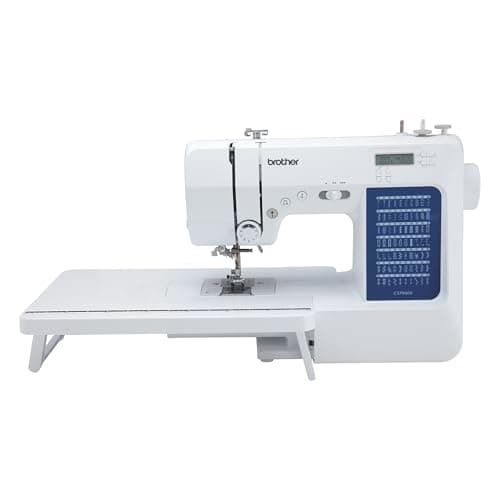 Brother CS7000XA free arm for cuffs, plus the wide table for the opposite job. Brother CS7000XA free arm for cuffs, plus the wide table for the opposite job. | Best free arm and flat bed in one | 8.2 | |
| 2 | 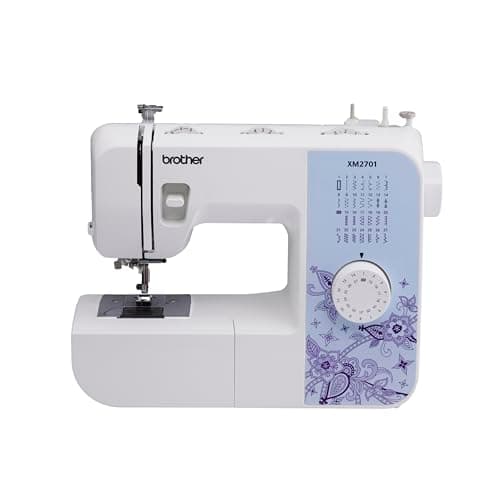 Brother XM2701A genuine free arm at the bottom of the sensible range. Brother XM2701A genuine free arm at the bottom of the sensible range. | Best cheap free arm machine | 7.3 | |
| 3 | 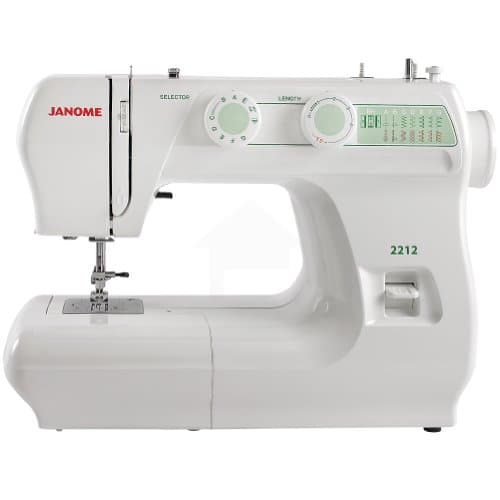 Janome 2212A free arm and a drop feed on a machine built to last. Janome 2212A free arm and a drop feed on a machine built to last. | Best free arm on a mechanical | 7.6 |
Prices shown are Amazon prices as of October 10, 2026 and can change.Scores are our editorial judgment on six axes, explained on the methodology page. We do not run a test lab and never claim to.
A free arm is the narrow horizontal arm that holds the needle and the bobbin, revealed when you slide off the detachable accessory tray at the front of the machine. Its purpose is to let you sew something shaped like a tube - a sleeve cuff, a trouser hem, a child’s shorts leg - by sliding the tube over the arm and rotating it as you sew.
The short practical answer for a buyer: almost every machine worth considering has one, including every machine on this site, so it is not a feature to shop for. It is a feature to know how to use, and a lot of beginners sew for a year without discovering the tray comes off.
What it is, physically
Look at the front of your machine. There is a flat area to the left of the needle where the fabric rests, and on most machines part of that flat area is a removable plastic tray that also stores your bobbins and feet.
Slide that tray off and what remains is a narrow arm, a few inches wide, sticking out toward you with the needle at the end of it. That is the free arm. Nothing has changed mechanically - you have simply removed the shelf that was filling in the space underneath, so there is now room for fabric to wrap all the way around.
The opposite configuration is a flat bed: the tray on, or better, a wide extension table clipped on, giving you the largest possible supported surface. Quilting wants a flat bed; cuffs want a free arm. Most machines do both, and our throat space guide covers the related measurement buyers confuse with this one.
The jobs that need one
Hemming trouser legs and jeans. The leg is a closed tube. On a flat bed you end up stitching through both sides of the leg by accident; on a free arm you slide the leg over the arm and rotate it. This is the single most common use, and our how to hem pants guide assumes you will use it.
Setting and hemming sleeve cuffs. Same reason, smaller tube. A child’s sleeve is barely wider than the arm itself, which is why narrow free arms are prized for children’s clothes.
Sewing collars and necklines in the round. Topstitching a finished neckline is far easier with the garment rotating around an arm than bunched on a flat surface.
Repairs on finished garments. Patching a knee, restitching a side seam, replacing elastic in a waistband. Anything where the item is already sewn into a closed shape.
Attaching cuffs and waistbands to knitwear. Combine the free arm with a stretch stitch and see our stretchy fabric settings guide.
How to use it, in four steps
1. Remove the accessory tray. It slides forward or lifts off, depending on the machine. No tools, no force.
2. Slide the tube over the arm with the part you want to sew lying flat under the needle and the rest of the garment hanging to the left and behind.
3. Check what is underneath. The most common free-arm mistake is catching the far side of the tube under the needle. Lift the fabric and look before you start.
4. Rotate rather than push. Let the feed dogs pull, and turn the tube gently with your left hand as it comes around. You are steering a loop, not feeding a sheet.
Machines that do both configurations well
A free arm is standard. What varies is whether the machine also gives you a proper flat bed for the opposite job.
Brother CS7000X
A free arm for cuffs and hems, plus the wide extension table in the box for quilts and large panels.
Skip it if You want physical dials instead of a menu, or you will be sewing canvas, upholstery or leather regularly.
Brother XM2701
A genuine free arm at the cheap end, which is the feature most needed for hemming and repairs.
Skip it if You already know you will sew every week, or you want speed control and a quilting table.
Janome 2212
A free arm on a simple mechanical built to outlast the hobby, with a drop feed as well.
Skip it if You want an automatic threader, a one-step buttonhole or a drop-in bobbin - it has none of them.
#ad - buy links go to Amazon and earn us a commission at no extra cost to you. Prices shown are Amazon prices as of October 10, 2026 and can change. Full disclosure.
Free arm against flat bed
The same machine in two configurations, and what each suits.
Almost every project uses both at different stages. You assemble a garment on a flat bed and finish the cuffs and hems on the free arm, and the tray comes off and goes back on several times in one project. That is normal and is how the machine is designed to be used.
Does the width of the arm matter?
A little, and far less than it is worth worrying about. A narrower arm will accept a smaller tube, which matters for baby clothes, doll clothes and narrow children’s sleeves. For adult cuffs and trouser legs, every machine on this site has an arm comfortably narrow enough.
If children’s clothes are your main plan, it is worth looking at the machine in person or checking the manual drawing - the figure is not usually published as a specification. Our garment roundup and kids’ machine roundup cover the machines most often bought for this.
Does every sewing machine have a free arm?
Nearly every modern domestic machine does, including the cheapest machines on this site - the Singer Start 1304 and the Singer M1500 both have one, which is one of the things that separates a real sewing machine from a toy.
Two kinds of machine do not. Some very cheap mini and handheld machines have a fixed flat bed, which is a genuine reason to avoid them. And many vintage machines are flat-bed only, built into a cabinet or a case base - which is on the list of things an old machine cannot do in our vintage machine guide.
The picks in full
01 - Best free arm and flat bed in one
Brother CS7000X
Does the fiddly parts for you so you can spend your energy learning to sew.
- 70 built-in stitches, 7 one-step buttonholes
- Automatic needle threader, drop-in top bobbin
- Speed-control slider
- Wide table and 10 presser feet included
- Get it if
- You want threading, buttonholes and stitch settings handled by the machine, and you might try quilting later - the wide table is already in the box.
- Skip it if
- You want physical dials instead of a menu, or you will be sewing canvas, upholstery or leather regularly.
The trade-off
A metal internal frame inside a light plastic shell. That makes it easy to carry and quiet on cottons and mid-weights; it is not built for heavy layers every day the way a Heavy Duty is.
$279.99 · 11% off · price as of October 10, 2026
#ad - opens Amazon in a new tab. How we earn
How the Brother CS7000X scores
Our judgment on the six axes described on the methodology page. Not measurements - we do not run a test lab.
- Setup and threading
- 9/10
- Everyday stitch quality
- 8/10
- Thick fabric
- 6/10
- Beginner features
- 9/10
- Durability reputation
- 7/10
- Help for this exact model
- 10/10
Overall 8.2/10
02 - Best cheap free arm machine
Brother XM2701
The find-out-if-I-actually-like-this machine.
- 27 stitches, one-step buttonhole
- Automatic needle threader, drop-in bobbin
- 6 presser feet included
- Light enough to carry to a class
- Get it if
- You are not sure sewing will stick and you want a real, capable machine without spending what a better one costs.
- Skip it if
- You already know you will sew every week, or you want speed control and a quilting table.
The trade-off
Lightweight and basic. It does everything a beginner needs - buttonholes, zippers, hems - but you will outgrow it sooner than the CS7000X.
How the Brother XM2701 scores
Our judgment on the six axes described on the methodology page. Not measurements - we do not run a test lab.
- Setup and threading
- 9/10
- Everyday stitch quality
- 7/10
- Thick fabric
- 5/10
- Beginner features
- 7/10
- Durability reputation
- 6/10
- Help for this exact model
- 9/10
Overall 7.3/10
03 - Best free arm on a mechanical
Janome 2212
Twelve stitches, nothing to break - the classroom favorite.
- 12 stitches, dial controls, four-step buttonhole
- Drop feed for free-motion quilting
- Free arm for cuffs and sleeves
- A reputation for lasting decades
- Get it if
- You value reliability over conveniences and want a machine still working long after the computerized ones are gone.
- Skip it if
- You want an automatic threader, a one-step buttonhole or a drop-in bobbin - it has none of them.
The trade-off
Fewer conveniences, more longevity. The four-step buttonhole and front-loading bobbin are a little more work to learn.
How the Janome 2212 scores
Our judgment on the six axes described on the methodology page. Not measurements - we do not run a test lab.
- Setup and threading
- 6/10
- Everyday stitch quality
- 9/10
- Thick fabric
- 7/10
- Beginner features
- 4/10
- Durability reputation
- 10/10
- Help for this exact model
- 7/10
Overall 7.6/10
Questions beginners actually ask
What is a free arm on a sewing machine?
It is the narrow arm holding the needle and bobbin that is revealed when you slide off the detachable accessory tray. It lets you sew tube-shaped items - trouser hems, sleeve cuffs, waistbands - by sliding them over the arm and rotating as you sew.
Do I need a free arm sewing machine?
Yes, and you almost certainly already have one. Nearly every modern domestic machine has a free arm, including the cheapest full-size models. It is only missing on some mini and handheld machines and on many vintage flat-bed machines.
How do I use the free arm on my sewing machine?
Slide the accessory tray off the front, slip the tube of fabric over the exposed arm with the part to be sewn flat under the needle, check nothing on the far side of the tube is caught underneath, then let the feed dogs pull while you rotate the tube with your left hand.
What is the difference between a free arm and a flat bed sewing machine?
The same machine in two configurations. The free arm is narrow, for sewing tubes. The flat bed - tray on, or a wide extension table fitted - gives the largest supported surface, for quilting, large panels and long seams in yardage.
What is a free arm used for?
Hemming trouser legs and jeans, setting and hemming sleeve cuffs, topstitching necklines in the round, attaching waistbands, and any repair on an already-finished garment. Anything sewn into a closed tube is easier on a free arm.
Does the width of the free arm matter?
Only for very small tubes - baby clothes, doll clothes, narrow children's sleeves. For adult cuffs and trouser hems every full-size machine has an arm narrow enough. The width is rarely published as a specification, so check the manual drawing if it matters to you.
Sources
Specifications are taken from manufacturer listings. We do not run a test lab and never claim to - how each machine is assessed is set out on our methodology page.
Read next
- Sewing machine throat space explained
The other measurement buyers confuse with this one.
- How to hem pants with a sewing machine
- Sewing machine terms glossary
- How to use a sewing machine for the first time