Guides
How to backstitch on a sewing machine
Three or four stitches in reverse at each end of a seam. It takes two seconds, it is the difference between a seam that holds and one that unravels, and almost every beginner skips it.
By Michael W. · Published
Disclosure: this page contains affiliate links. As an Amazon Associate, StitchStarter earns from qualifying purchases at no extra cost to you. Prices are read from Amazon daily and dated; the price you pay is the one Amazon shows at checkout. It never changes which machines we recommend. Full disclosure.
Quick picks
The short answer. Every pick is explained in full below, including who should skip it.
| # | Product | Best for | Score | Price |
|---|---|---|---|---|
| 1 | 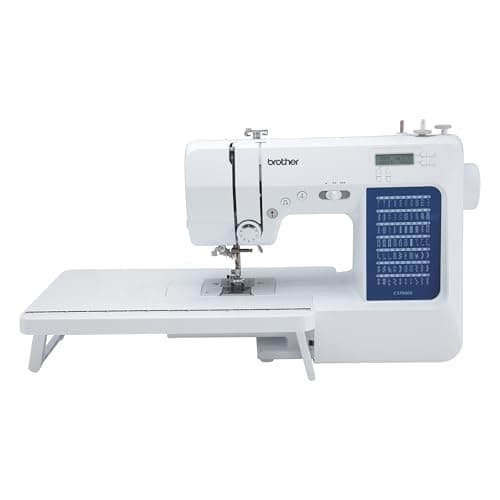 Brother CS7000XA dedicated reverse button you press rather than hold. | Easiest reverse control | 8.2 | |
| 2 | 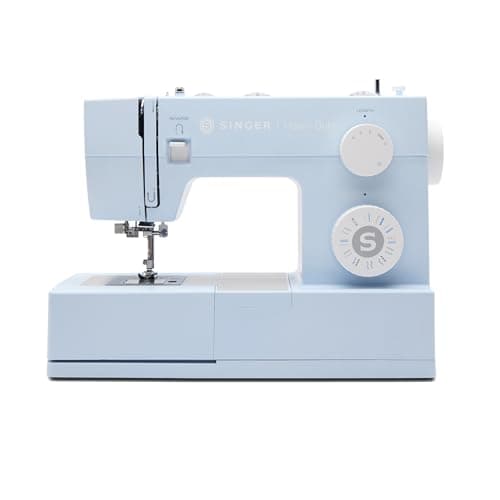 Singer Heavy Duty 4423A big obvious lever you cannot miss, on a machine that holds its line. | Best mechanical reverse | 7.8 | |
| 3 | 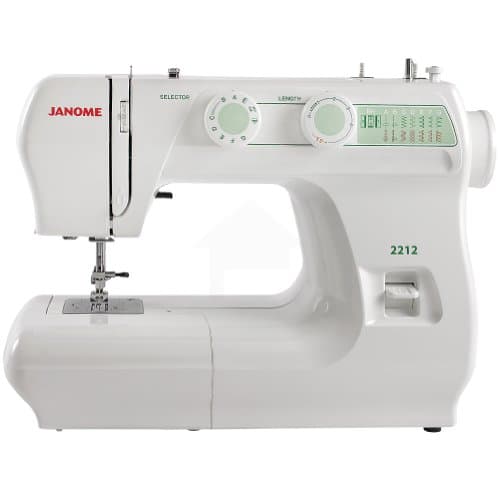 Janome 2212A simple spring lever - hold it down, let it go, done. | Best for learning the mechanics | 7.6 |
Prices shown are Amazon prices as of November 1, 2026 and can change.Scores are our editorial judgment on six axes, explained on the methodology page. We do not run a test lab and never claim to.
To backstitch on a sewing machine, sew three or four stitches forward at the start of your seam, then hold the reverse lever or press the reverse button and sew back over those same stitches, then release it and sew the seam normally. Do the same at the end: stop where the seam finishes, reverse three or four stitches, then forward again to the end. That is the whole technique — it takes about two seconds per end and it is what stops a machine seam unraveling.
It matters because a machine seam is not knotted. It is two threads looped around each other, and if the last loop pulls free, the seam starts coming undone like a zip. Backstitching crosses the stitches over themselves so there is no single loop at the end to pull.
Finding the reverse control on your machine
It goes by several names — reverse, back tack, reverse stitch lever — and it is in one of three forms:
The three kinds of reverse control, and how each behaves.
If you cannot find it, look for a curved arrow symbol pointing backwards. On almost every machine made in the last forty years it is within a few centimeters of the stitch length control.
How many stitches, and how not to overdo it
Three or four. Not ten. A long bar of reverse stitching does not make the seam stronger — it makes a visible lump, it perforates the fabric and on light fabric it can tear. Three stitches back and three forward is a secure seam.
Start the seam about one centimeter in from the edge rather than right at it, sew forward, then reverse to the edge, then forward again. Starting right at the raw edge means the first stitches have nothing to grip and the fabric gets pushed into the needle plate. If that is happening to you, see when a machine will not feed fabric.
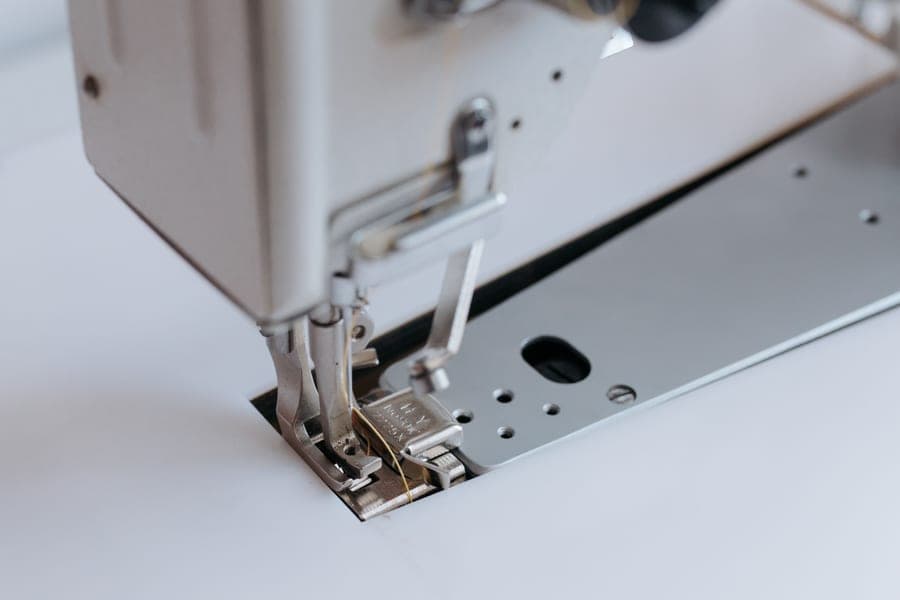
When not to backstitch
There are three situations where you should secure the seam a different way.
On very fine or delicate fabric. Chiffon, voile, fine silk: a backstitch can chew through it. Instead, shorten the stitch length to about 1mm for the first and last centimeter of the seam, which locks it without the double pass. Our settings for thin and delicate fabric covers the rest.
On a seam that will be crossed by another seam. If a seam end will be caught inside another seam — a side seam that runs into a waistband, for example — there is nothing to secure, because the next seam does the job. Backstitching there just adds bulk.
On basting, gathering and anything you plan to unpick. A long straight stitch with no backstitch is how you make a seam easy to remove. Gathering threads must never be backstitched, or you cannot pull them.
Tying off, and the other way to lock a stitch
The traditional alternative is to pull both thread tails to the same side of the fabric and tie them in a double knot. It is neater than a backstitch and much slower, which is why it survives mainly on visible topstitching and quilting.
Many computerized machines have an automatic lock-stitch function that sews a tiny cluster of stitches in place instead of reversing. It is flatter than a backstitch and the right choice on anything where the stitching shows.
And for free-motion quilting, where there is no forward or reverse at all because the feed dogs are lowered, you lock the stitch by sewing several very small stitches on the spot. See do you need a special machine for quilting.
Machines with a reverse you will not fight
A trivial feature that turns out to matter, because a reverse control you have to hunt for is one you stop using. These three make it obvious.
Brother CS7000X
A clearly marked reverse button on the front panel, plus an automatic locking option - the easiest arrangement for a beginner who is still thinking about four things at once.
Skip it if You want physical dials instead of a menu, or you will be sewing canvas, upholstery or leather regularly.
Singer Heavy Duty 4423
A large, obvious mechanical lever you cannot miss, on a machine with the frame to hold its line while you reverse through thick layers.
Skip it if You mostly want gentle control on light fabrics, or a quiet machine for an apartment.
Janome 2212
A simple spring lever: hold it, release it. Nothing to learn, and a good illustration of why mechanical machines are easy to teach on.
Skip it if You want an automatic threader, a one-step buttonhole or a drop-in bobbin - it has none of them.
#ad - buy links go to Amazon and earn us a commission at no extra cost to you. Prices shown are Amazon prices as of November 1, 2026 and can change. Full disclosure.
The picks in full
01 - Easiest reverse control
Brother CS7000X
Does the fiddly parts for you so you can spend your energy learning to sew.
- 70 built-in stitches, 7 one-step buttonholes
- Automatic needle threader, drop-in top bobbin
- Speed-control slider
- Wide table and 10 presser feet included
- Get it if
- You want threading, buttonholes and stitch settings handled by the machine, and you might try quilting later - the wide table is already in the box.
- Skip it if
- You want physical dials instead of a menu, or you will be sewing canvas, upholstery or leather regularly.
The trade-off
A metal internal frame inside a light plastic shell. That makes it easy to carry and quiet on cottons and mid-weights; it is not built for heavy layers every day the way a Heavy Duty is.
How the Brother CS7000X scores
Our judgment on the six axes described on the methodology page. Not measurements - we do not run a test lab.
- Setup and threading
- 9/10
- Everyday stitch quality
- 8/10
- Thick fabric
- 6/10
- Beginner features
- 9/10
- Durability reputation
- 7/10
- Help for this exact model
- 10/10
Overall 8.2/10
02 - Best mechanical reverse
Singer Heavy Duty 4423
Fast, sturdy and simple - the machine for denim hems and tote bags.
- Metal interior frame, stainless steel bedplate
- 1,100 stitches per minute
- 23 stitches (97 stitch applications), one-step buttonhole, automatic threader
- Top drop-in bobbin with a clear cover
- Extra-high presser foot lift for thick layers
- Get it if
- You want physical dials, you plan to sew jeans, canvas or several layers, and you do not mind a machine that is loud and quick.
- Skip it if
- You mostly want gentle control on light fabrics, or a quiet machine for an apartment.
The trade-off
Heavy duty means a metal frame and a fast motor, not an industrial machine. It handles denim well; real leather is still a struggle.
How the Singer Heavy Duty 4423 scores
Our judgment on the six axes described on the methodology page. Not measurements - we do not run a test lab.
- Setup and threading
- 7/10
- Everyday stitch quality
- 8/10
- Thick fabric
- 9/10
- Beginner features
- 6/10
- Durability reputation
- 8/10
- Help for this exact model
- 9/10
Overall 7.8/10
03 - Best for learning the mechanics
Janome 2212
Twelve stitches, nothing to break - the classroom favorite.
- 12 stitches, dial controls, four-step buttonhole
- Drop feed for free-motion quilting
- Free arm for cuffs and sleeves
- A reputation for lasting decades
- Get it if
- You value reliability over conveniences and want a machine still working long after the computerized ones are gone.
- Skip it if
- You want an automatic threader, a one-step buttonhole or a drop-in bobbin - it has none of them.
The trade-off
Fewer conveniences, more longevity. The four-step buttonhole and front-loading bobbin are a little more work to learn.
How the Janome 2212 scores
Our judgment on the six axes described on the methodology page. Not measurements - we do not run a test lab.
- Setup and threading
- 6/10
- Everyday stitch quality
- 9/10
- Thick fabric
- 7/10
- Beginner features
- 4/10
- Durability reputation
- 10/10
- Help for this exact model
- 7/10
Overall 7.6/10
Questions beginners actually ask
How do you backstitch on a sewing machine?
Sew three or four stitches forward at the start of the seam, then hold the reverse lever or press the reverse button and sew back over those stitches, release it and sew the seam. Repeat at the end: stop where the seam finishes, reverse three or four stitches, then sew forward to the end.
Where is the reverse button on a sewing machine?
Within a few centimeters of the stitch length control on almost every machine, marked with a curved arrow pointing backwards. On mechanical machines it is usually a spring lever you hold down; on computerized machines it is a button you hold, and some have a separate one-press locking button.
How many backstitches should you sew?
Three or four at each end. More does not make the seam stronger - it creates a visible lump, perforates the fabric and on light fabric it can tear. Start about a centimeter in from the edge, sew forward, reverse to the edge, then go forward again.
Why do you need to backstitch?
Because a machine seam is not knotted - it is two threads looped around each other, so if the final loop pulls free the seam unravels from that end. Backstitching crosses the stitches over themselves so there is no single loop to pull.
When should you not backstitch?
Three cases: on very fine or delicate fabric, where a short 1mm stitch for the first centimeter locks the seam without the double pass; on a seam end that will be caught inside another seam, where there is nothing to secure; and on basting or gathering stitches, which have to be removable or pullable.
Is backstitching the same as a lock stitch?
Not quite. A backstitch reverses over the stitches you just sewed. An automatic lock stitch, which some computerized machines have, sews a tiny cluster of stitches in place instead. The lock stitch is flatter and better on visible stitching; the backstitch is universal and works on every machine.