Guides
How to learn to sew
Learn five things in this order - threading, a straight seam, backstitch, a hem, a zigzag finish - and everything else is a variation. Here is the realistic first month.
By Michael W. · Published
Disclosure: this page contains affiliate links. As an Amazon Associate, StitchStarter earns from qualifying purchases at no extra cost to you. Prices are read from Amazon daily and dated; the price you pay is the one Amazon shows at checkout. It never changes which machines we recommend. Full disclosure.
Quick picks
The short answer. Every pick is explained in full below, including who should skip it.
| # | Product | Best for | Score | Price |
|---|---|---|---|---|
| 1 | 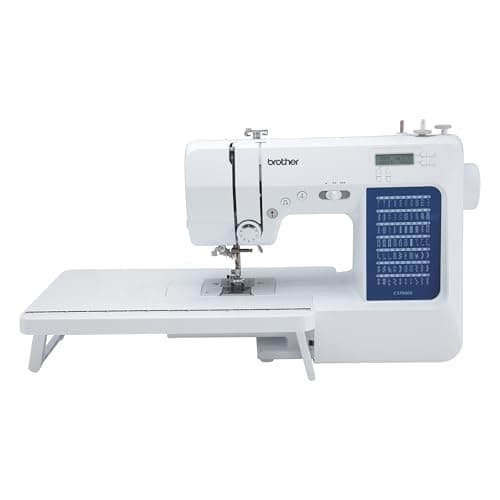 Brother CS7000XThe speed slider means you can sew at a pace your hands can steer. | Best machine to learn on | 8.2 | |
| 2 | 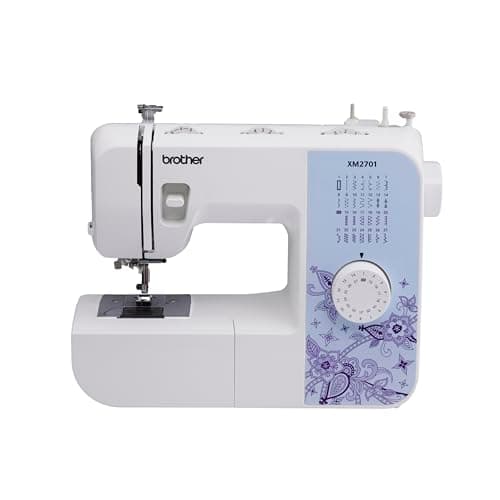 Brother XM2701A real machine with the features that matter, for the least money. | Best if you are not sure it will stick | 7.3 | |
| 3 | 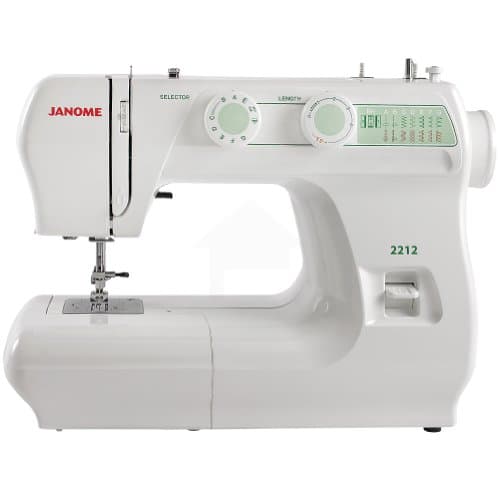 Janome 2212Dials and twelve stitches. Nothing is hidden from you. | Best for learning how a machine works | 7.6 |
Prices shown are Amazon prices as of November 1, 2026 and can change.Scores are our editorial judgment on six axes, explained on the methodology page. We do not run a test lab and never claim to.
The fastest way to learn to sew is to learn five things, in this order: how to thread the machine, how to sew a straight seam, how to backstitch, how to hem, and how to finish a raw edge. That is it. Everything else in garment and craft sewing — zips, buttonholes, sleeves, gathers, bags, quilts — is those five skills recombined. Most people who “cannot sew” stalled because they tried to learn them in a random order, usually by starting with a pattern that assumed all five.
You do not need a class, and you do not need to be a naturally careful person. You need a working machine, a few meters of cheap cotton, an hour, and the willingness to sew a line that goes wrong and sew it again.
Your first hour: threading and a straight line
Do not sew anything useful in the first hour. Thread the machine, sew lines on a scrap, unthread it, thread it again. Threading is the single biggest cause of what beginners read as machine faults — thread it with the presser foot raised, every time, because on most machines the tension discs only open when the foot is up. Our threading guide walks the full path, and using a sewing machine for the first time is the companion to this page for the very first sit-down.
Then sew straight lines on a folded scrap: along a drawn line, along the edge of the foot, round a gentle curve, pivoting at a corner. Our guide to sewing a straight line is the detail, and the short version is that you steer with the fabric guide and the seam allowance mark on the plate, not by staring at the needle.
The five skills, and what each one unlocks
Learn them in this order. Each one is the prerequisite for the jobs beneath it.
Classes, YouTube or a book?
All three work, and they are good at different things. The honest comparison:
YouTube is best for a specific problem. “How to thread a Brother CS7000X” has a dozen videos showing your exact machine, and that is genuinely better than any book. It is worst for sequencing — it will never tell you what to learn next, so it is easy to spend three weeks watching and never sew.
A class is best for the things you cannot see wrong. How you hold the fabric, how fast you go, whether your tension is actually balanced. An instructor fixes in ten seconds what a beginner can spend a month not noticing. It is the fastest route if you have access to one, and it is also where you discover which machine you like — most classes have several.
A book is best for order and for patterns. A good beginner book sequences skills properly and explains why, which is exactly what video does badly.
A sewing friend or relative beats all three, if you have one. Two hours with someone who sews is worth a fortnight of anything else.
What to make, in order
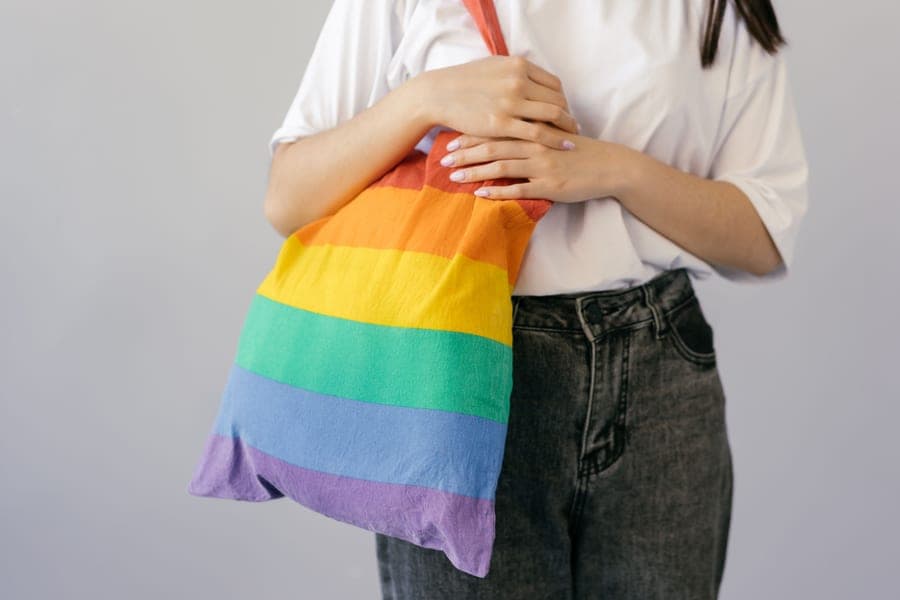
The rule for picking a first project: it must be straight lines, in cotton, with no fitting. Fitting is a separate skill and it will stop you dead if you meet it in week one. In practice that means: a pillowcase or cushion cover, then a tote bag, then a simple zip pouch, then an elastic-waist skirt or pyjama trousers, then something fitted.
Our what to sew first guide is the full list with what each project teaches, and beginner sewing patterns covers which patterns are genuinely beginner-friendly rather than just labelled that way. Work in cotton while you learn — our easiest fabrics guide explains why knits and slippery fabric can wait.
What machine do you need to learn on?
Any working machine with adjustable stitch length will teach you to sew. What a better machine changes is how much of your attention goes on fighting it rather than learning. Three features earn their money for a learner specifically: an automatic needle threader, a bobbin you can see, and some form of speed control.
If a machine is already in the house — inherited, borrowed, a relative’s — start there. Clean it, oil it if its manual says to, put a new needle in it, and sew. Our maintenance guide is ten minutes well spent, and are vintage machines good for beginners is honest about the catch with old machines.
Three machines worth learning on
Chosen for the three honest starting positions: you want the easiest possible start, you are not sure sewing will stick, or you want to understand the machine itself.
Brother CS7000X
The speed-control slider is the single best learning feature on any beginner machine - you can sew at a crawl while your hands catch up. Threader, visible bobbin and a wide table included.
Skip it if You want physical dials instead of a menu, or you will be sewing canvas, upholstery or leather regularly.
Brother XM2701
A real machine with the automatic threader, drop-in bobbin and one-step buttonhole that matter, at the least money we would recommend spending. Light enough to carry to a class.
Skip it if You already know you will sew every week, or you want speed control and a quilting table.
Janome 2212
Twelve stitches and two dials. You learn what stitch length and width actually do, and it will outlast every computerized machine on this page.
Skip it if You want an automatic threader, a one-step buttonhole or a drop-in bobbin - it has none of them.
#ad - buy links go to Amazon and earn us a commission at no extra cost to you. Prices shown are Amazon prices as of November 1, 2026 and can change. Full disclosure.
A realistic first month
Week one. Threading, bobbin winding, straight lines, corners, backstitch. Finish a pillowcase or a cushion cover.
Week two. Hems and seam finishing. Hem a pair of trousers that are already too long — a real job with a visible result. Make a tote bag.
Week three. One new technique: a zip, or a buttonhole. Both are less frightening than their reputation. See how to sew a zipper and how to sew a buttonhole.
Week four. A garment with no fitting: an elastic-waist skirt or pyjama trousers. This is where it starts to feel like sewing rather than practice.
The picks in full
01 - Best machine to learn on
Brother CS7000X
Does the fiddly parts for you so you can spend your energy learning to sew.
- 70 built-in stitches, 7 one-step buttonholes
- Automatic needle threader, drop-in top bobbin
- Speed-control slider
- Wide table and 10 presser feet included
- Get it if
- You want threading, buttonholes and stitch settings handled by the machine, and you might try quilting later - the wide table is already in the box.
- Skip it if
- You want physical dials instead of a menu, or you will be sewing canvas, upholstery or leather regularly.
The trade-off
A metal internal frame inside a light plastic shell. That makes it easy to carry and quiet on cottons and mid-weights; it is not built for heavy layers every day the way a Heavy Duty is.
How the Brother CS7000X scores
Our judgment on the six axes described on the methodology page. Not measurements - we do not run a test lab.
- Setup and threading
- 9/10
- Everyday stitch quality
- 8/10
- Thick fabric
- 6/10
- Beginner features
- 9/10
- Durability reputation
- 7/10
- Help for this exact model
- 10/10
Overall 8.2/10
02 - Best if you are not sure it will stick
Brother XM2701
The find-out-if-I-actually-like-this machine.
- 27 stitches, one-step buttonhole
- Automatic needle threader, drop-in bobbin
- 6 presser feet included
- Light enough to carry to a class
- Get it if
- You are not sure sewing will stick and you want a real, capable machine without spending what a better one costs.
- Skip it if
- You already know you will sew every week, or you want speed control and a quilting table.
The trade-off
Lightweight and basic. It does everything a beginner needs - buttonholes, zippers, hems - but you will outgrow it sooner than the CS7000X.
How the Brother XM2701 scores
Our judgment on the six axes described on the methodology page. Not measurements - we do not run a test lab.
- Setup and threading
- 9/10
- Everyday stitch quality
- 7/10
- Thick fabric
- 5/10
- Beginner features
- 7/10
- Durability reputation
- 6/10
- Help for this exact model
- 9/10
Overall 7.3/10
03 - Best for learning how a machine works
Janome 2212
Twelve stitches, nothing to break - the classroom favorite.
- 12 stitches, dial controls, four-step buttonhole
- Drop feed for free-motion quilting
- Free arm for cuffs and sleeves
- A reputation for lasting decades
- Get it if
- You value reliability over conveniences and want a machine still working long after the computerized ones are gone.
- Skip it if
- You want an automatic threader, a one-step buttonhole or a drop-in bobbin - it has none of them.
The trade-off
Fewer conveniences, more longevity. The four-step buttonhole and front-loading bobbin are a little more work to learn.
How the Janome 2212 scores
Our judgment on the six axes described on the methodology page. Not measurements - we do not run a test lab.
- Setup and threading
- 6/10
- Everyday stitch quality
- 9/10
- Thick fabric
- 7/10
- Beginner features
- 4/10
- Durability reputation
- 10/10
- Help for this exact model
- 7/10
Overall 7.6/10
Questions beginners actually ask
How long does it take to learn to sew?
You can sew a straight, secure seam in your first hour and finish a simple project in your first week. A realistic first month gets you through threading, seams, backstitch, hems, edge finishing, a zip and a basic elastic-waist garment. Fitted clothes are a separate skill that takes considerably longer.
What should I learn first when sewing?
Threading the machine, then sewing a straight seam, then backstitching to secure it, then hemming, then finishing a raw edge with a zigzag. Everything else is those five skills recombined, and learning them out of order is the main reason beginners stall.
Can I teach myself to sew without classes?
Yes - most people do. YouTube is excellent for machine-specific problems like threading your exact model, and a book is better for the order to learn things in. A class's real advantage is an instructor spotting the things you cannot see wrong yourself, like how you hold the fabric or whether your tension is actually balanced.
What is the easiest thing to sew for a complete beginner?
A pillowcase or a cushion cover: straight lines, cotton fabric, no fitting and a genuinely useful result. Follow it with a tote bag, then a simple zip pouch, then an elastic-waist skirt or pyjama trousers. Avoid anything fitted until you have those under your belt.
What sewing machine should I learn on?
Any working machine with adjustable stitch length will do the job. Three features make learning easier: an automatic needle threader, a bobbin you can see through a clear cover, and some form of speed control. If there is already a machine in the house, clean it, fit a new needle and start there.
Do I need to learn to sew by hand first?
No. A few hand stitches are useful - a slip stitch for closing a gap and a backstitch for repairs - but you do not need to learn hand sewing before machine sewing. Learn them alongside each other as specific jobs come up.
Read next
- How to use a sewing machine for the first time
The companion page for your first sit-down.
- What to sew first
- How to sew a straight line
The first real skill, in detail.
- The easiest sewing machines for beginners