Guides
Can you sew without a sewing machine?
Yes - and for repairs, hems and small projects, hand sewing is genuinely good enough. Here is where it stops being enough, and how to tell which side of that line you are on.
By Michael W. · Published
Disclosure: this page contains affiliate links. As an Amazon Associate, StitchStarter earns from qualifying purchases at no extra cost to you. Prices are read from Amazon daily and dated; the price you pay is the one Amazon shows at checkout. It never changes which machines we recommend. Full disclosure.
Quick picks
The short answer. Every pick is explained in full below, including who should skip it.
| # | Product | Best for | Score | Price |
|---|---|---|---|---|
| 1 | 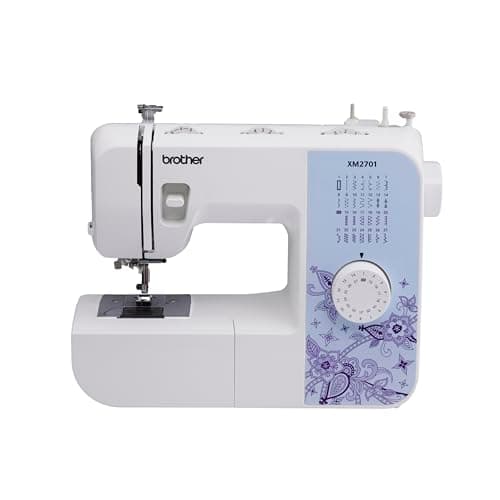 Brother XM2701Real features, least money - the right answer when you are still deciding. | Best first machine if you decide you need one | 7.3 | |
| 2 | 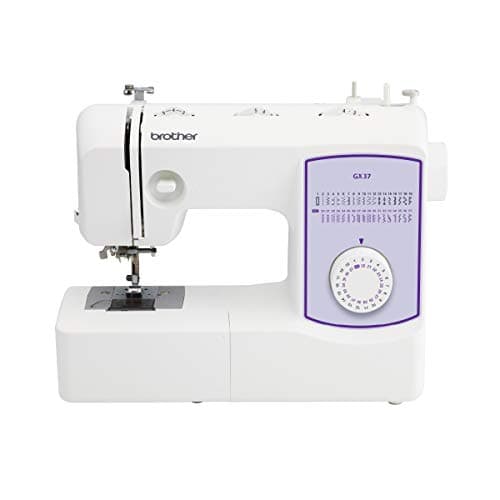 Brother GX37Effectively the same machine with a few more stitches. | Best if it is cheaper on the day | 7.2 | |
| 3 | 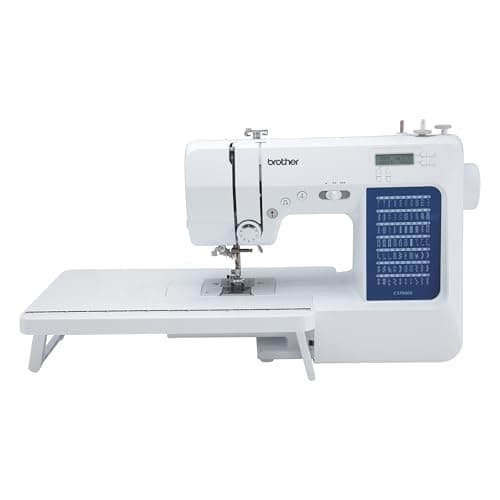 Brother CS7000XBuy this once rather than a cheap machine twice. | Best if you already know you will sew weekly | 8.2 |
Prices shown are Amazon prices as of November 1, 2026 and can change.Scores are our editorial judgment on six axes, explained on the methodology page. We do not run a test lab and never claim to.
Yes, you can sew without a sewing machine, and for a large slice of real-world sewing you are not noticeably worse off. Hand sewing will fix a split seam, replace a button, take up a hem, close a cushion, mend a pocket and make small items properly — and for some of those jobs it gives a better result than a machine, because an invisible hem and a hand-closed opening are hand techniques by design.
Where hand sewing stops being enough is not quality. It is length of seam and strength under load. A machine lays down several hundred identical, tensioned stitches a minute; a hand seam is as even as your patience on the day. For a 10cm repair that difference is irrelevant. For the four long seams of a pair of trousers it is the difference between an evening and a fortnight, and the hand version will give out first at the stress points.
What hand sewing genuinely does well
Where each method wins. The column that matters is the one your actual sewing lives in.
Read that table honestly and the conclusion is uncomfortable for the no-machine camp and for the buy-a-machine camp alike: if your sewing is repairs and alterations, you may never need a machine. If your sewing is making things, you will.
The test: three questions
1. Will any single seam be longer than about 30cm? If yes, a machine starts paying for itself immediately.
2. Will anything you sew take a load? Bag handles, waistbands, trouser seams, anything a child will pull. A machine seam under tension is in a different class.
3. Will you sew more than three or four times a year? Below that, a needle, thread, a thimble and twenty minutes on YouTube is the better purchase.
Two yeses means buy a machine. Three noes means do not — and our guide to whether a sewing machine is worth it goes through the same question from the money side.
The four hand stitches worth knowing either way
Even machine owners need these, because some jobs are hand jobs forever.
Backstitch. The strong one. Each stitch doubles back on the last, so it is the closest a hand seam gets to a machine seam. Use it for any repair that has to hold.
Running stitch. The fast one. Fine for gathering, basting and low-stress seams, not for anything structural.
Slip stitch (ladder stitch). The invisible one. Closes the gap left for turning a cushion or a lining through, with no visible thread. Nothing on a machine does this job as well.
Whip stitch / overcast. The edge one. Stops a raw edge fraying when you have no zigzag available.
What about the alternatives to a real machine?
Handheld “stapler” sewing machines. We do not recommend them. They sew a single chain stitch that unravels when one end is pulled, and they are fiddlier than hand sewing for the same job. The honest comparison is to hand sewing, not to a machine, and hand sewing wins.
Mini and toy machines. Usually a false economy. Most have no adjustable stitch length, plastic internal drives and a bobbin case that drifts out of alignment. They teach beginners that they are bad at sewing, which is untrue and expensive to unlearn. Our cheap machines roundup explains where the floor of usable quality sits and what the warning signs are.
Fusible hem tape and fabric glue. Genuinely useful for a temporary hem or a costume, and genuinely bad as a permanent solution — it stiffens the fabric and gives out in the wash eventually.
Borrowing or a sewing cafe. The underrated option. An afternoon on a friend’s machine or at a local studio tells you whether you enjoy this before any money changes hands.
If the answer turned out to be yes, buy a machine
The three machines we would point a still-deciding buyer at - cheapest sensible, its interchangeable sibling, and the one to buy if you already know this will stick.
Brother XM2701
The least we would spend on a real machine: automatic threader, drop-in bobbin, one-step buttonhole, 27 stitches. If sewing does not stick, you have not lost much.
Skip it if You already know you will sew every week, or you want speed control and a quilting table.
Brother GX37
Effectively the XM2701 with 37 stitches. Treat the two as interchangeable and buy whichever is cheaper on the day.
Skip it if You want a speed limiter, a wide table, or a machine that will still suit you in three years.
Brother CS7000X
The one to buy if you already know you will sew weekly - speed slider, wide table, seven one-step buttonholes. Buying this once beats buying cheap twice.
Skip it if You want physical dials instead of a menu, or you will be sewing canvas, upholstery or leather regularly.
#ad - buy links go to Amazon and earn us a commission at no extra cost to you. Prices shown are Amazon prices as of November 1, 2026 and can change. Full disclosure.
The picks in full
01 - Best first machine if you decide you need one
Brother XM2701
The find-out-if-I-actually-like-this machine.
- 27 stitches, one-step buttonhole
- Automatic needle threader, drop-in bobbin
- 6 presser feet included
- Light enough to carry to a class
- Get it if
- You are not sure sewing will stick and you want a real, capable machine without spending what a better one costs.
- Skip it if
- You already know you will sew every week, or you want speed control and a quilting table.
The trade-off
Lightweight and basic. It does everything a beginner needs - buttonholes, zippers, hems - but you will outgrow it sooner than the CS7000X.
How the Brother XM2701 scores
Our judgment on the six axes described on the methodology page. Not measurements - we do not run a test lab.
- Setup and threading
- 9/10
- Everyday stitch quality
- 7/10
- Thick fabric
- 5/10
- Beginner features
- 7/10
- Durability reputation
- 6/10
- Help for this exact model
- 9/10
Overall 7.3/10
02 - Best if it is cheaper on the day
Brother GX37
The XM2701's slightly better-equipped sibling, for about the same job.
- 37 built-in stitches, one-step buttonhole
- Automatic needle threader, drop-in bobbin
- 6 presser feet included
- Free arm and a lightweight body
- Get it if
- You are shopping at the bottom of the sensible range and the GX37 happens to be the one in stock or discounted.
- Skip it if
- You want a speed limiter, a wide table, or a machine that will still suit you in three years.
The trade-off
The extra stitches over the XM2701 are mostly decorative and you will use about six of them. Treat the two machines as interchangeable and buy whichever is cheaper on the day.
How the Brother GX37 scores
Our judgment on the six axes described on the methodology page. Not measurements - we do not run a test lab.
- Setup and threading
- 9/10
- Everyday stitch quality
- 7/10
- Thick fabric
- 5/10
- Beginner features
- 7/10
- Durability reputation
- 6/10
- Help for this exact model
- 8/10
Overall 7.2/10
03 - Best if you already know you will sew weekly
Brother CS7000X
Does the fiddly parts for you so you can spend your energy learning to sew.
- 70 built-in stitches, 7 one-step buttonholes
- Automatic needle threader, drop-in top bobbin
- Speed-control slider
- Wide table and 10 presser feet included
- Get it if
- You want threading, buttonholes and stitch settings handled by the machine, and you might try quilting later - the wide table is already in the box.
- Skip it if
- You want physical dials instead of a menu, or you will be sewing canvas, upholstery or leather regularly.
The trade-off
A metal internal frame inside a light plastic shell. That makes it easy to carry and quiet on cottons and mid-weights; it is not built for heavy layers every day the way a Heavy Duty is.
How the Brother CS7000X scores
Our judgment on the six axes described on the methodology page. Not measurements - we do not run a test lab.
- Setup and threading
- 9/10
- Everyday stitch quality
- 8/10
- Thick fabric
- 6/10
- Beginner features
- 9/10
- Durability reputation
- 7/10
- Help for this exact model
- 10/10
Overall 8.2/10
Questions beginners actually ask
Can you sew without a sewing machine?
Yes. Hand sewing handles repairs, buttons, hems, closing cushions and small projects perfectly well, and for invisible hems and closing a turning gap it gives a better result than a machine. Where it falls short is long seams and anything load-bearing, where a machine seam is in a different class for both speed and strength.
Is hand sewing as strong as machine sewing?
A hand backstitch is close, but a machine seam is more even and more consistently tensioned along its whole length, which is what strength under load depends on. For bag straps, waistbands and trouser seams, a machine is decisively better. For a short repair, a hand backstitch is plenty.
How do I know if I need a sewing machine?
Three questions. Will any single seam be longer than about 30cm? Will anything you sew take a load? Will you sew more than three or four times a year? Two yeses and a machine pays for itself. Three noes and a needle, thread and a thimble is the better purchase.
Are handheld sewing machines any good?
No, for most purposes. They sew a single chain stitch that unravels when one end is pulled, and they are fiddlier than hand sewing for the same small jobs. The right comparison is against hand sewing rather than against a real machine, and hand sewing wins.
What hand stitches should a beginner know?
Four: backstitch for anything that has to hold, running stitch for basting and gathering, slip stitch for closing a turning gap invisibly, and whip stitch to stop a raw edge fraying. Machine owners need these too, because some jobs stay hand jobs.
Can I use fabric glue or hem tape instead of sewing?
For a temporary hem, a costume or a one-evening fix, yes. As a permanent solution, no - it stiffens the fabric and generally gives out after repeated washing. Treat it as a stopgap rather than a replacement for a stitched hem.
Read next
- Is a sewing machine worth it?
The same question from the money side.
- How much to spend on a first sewing machine
- How to learn to sew
- The best cheap sewing machines for beginners