Guides · The honest answer
How long does a sewing machine last?
A mechanical machine can outlive you. A computerized one has a part in it that cannot be economically replaced. Both facts matter.
By Michael W. · Published
Disclosure: this page contains affiliate links. As an Amazon Associate, StitchStarter earns from qualifying purchases at no extra cost to you. We do not display prices - they change daily, so every button opens the live listing. It never changes which machines we recommend. Full disclosure.
Quick picks
The short answer. Every pick is explained in full below, including who should skip it.
| # | Product | Best for | Score | Price |
|---|---|---|---|---|
| 1 |  Janome 2212Almost nothing on it can fail, and anyone can service what does. Janome 2212Almost nothing on it can fail, and anyone can service what does. | Longest-lasting pick | 7.6 | |
| 2 | 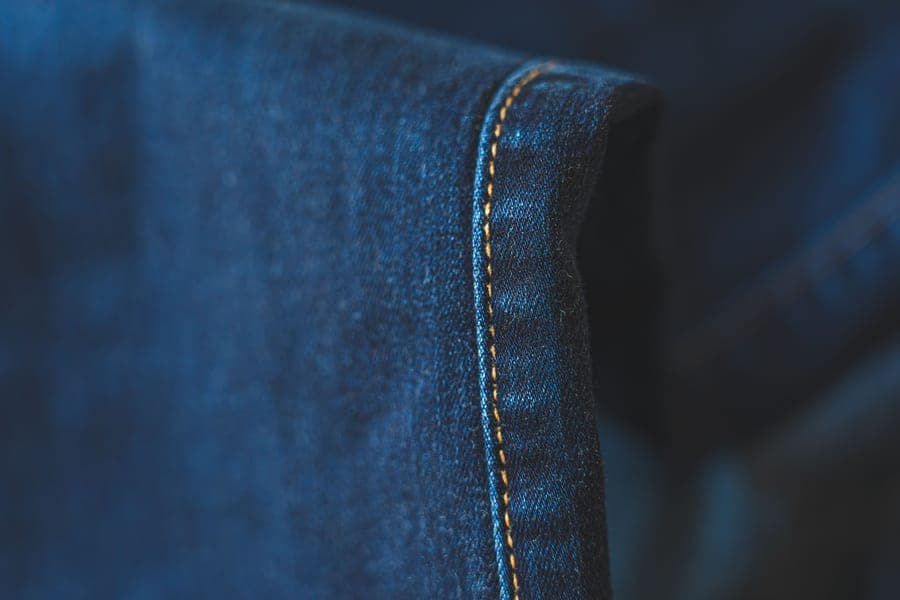 Singer Heavy Duty 4423A metal chassis and a motor built for load. Dials, not boards. Singer Heavy Duty 4423A metal chassis and a motor built for load. Dials, not boards. | Best metal frame | 7.8 | |
| 3 | 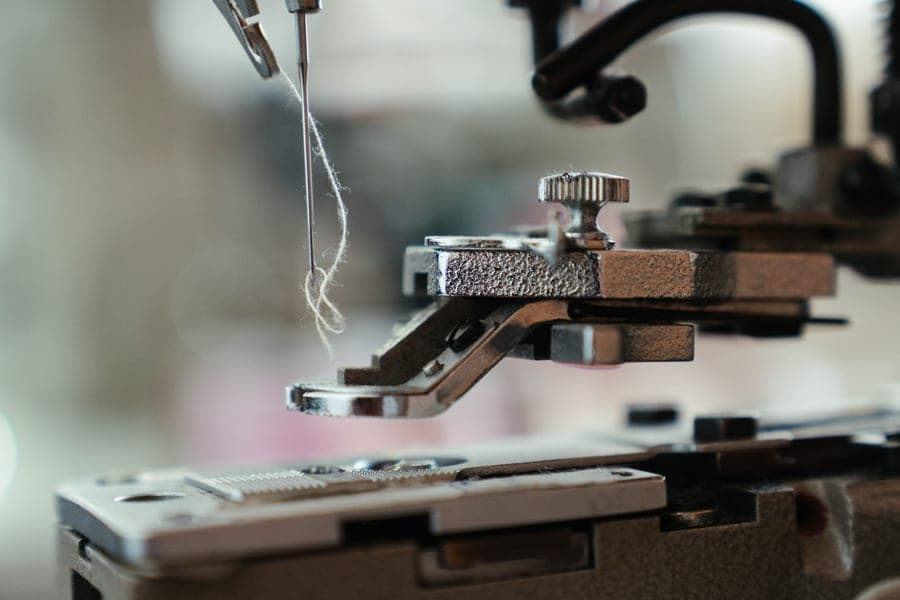 Brother CS7000XEasier to use now, with a board in it that is the long-term risk. Brother CS7000XEasier to use now, with a board in it that is the long-term risk. | The honest trade-off | 8.2 |
Scores are our editorial judgment on six axes, explained on the methodology page. We do not run a test lab and never claim to.
A well-maintained mechanical sewing machine lasts twenty to forty years of home use and often much longer - the all-metal machines from the 1950s and 1960s still working today are the proof. A computerized machine of the kind most beginners buy should be expected to last roughly eight to fifteen years. The difference is not build quality in general; it is one specific component. A mechanical machine has nothing in it that cannot be cleaned, oiled or replaced by a repairer, and a computerized machine has a circuit board that usually costs more to replace than the machine is worth.
That is not an argument against buying computerized - it is an argument for knowing what you are buying. Our mechanical versus computerized guide weighs the whole decision.
What actually fails, in order
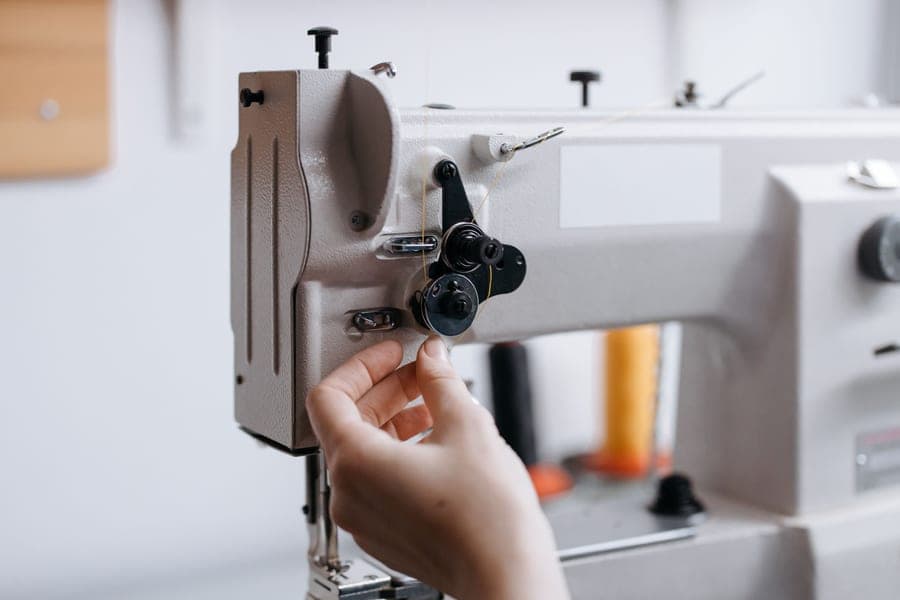
Nothing, for years - then the tension drifts. The most common “my machine is dying” complaint is not a failure at all. Lint packed into the tension discs and around the bobbin case changes the tension gradually, so stitching deteriorates slowly enough that it feels like wear. Cleaning fixes it, and most machines sent for repair need only that.
The bobbin winder tyre. A small rubber wheel that perishes and goes shiny, after which the bobbin winds slowly or not at all. Cheap and replaceable.
The foot pedal. Pedals wear before machines do and become jumpy - still, then lurching. Replaceable, and frequently mistaken for a motor fault.
The motor belt, on older machines. Perishes, slips, and is a routine repair on a mechanical machine.
The circuit board, on a computerized machine. The one that ends a machine’s life. Boards are model-specific, often discontinued, and a replacement plus labour typically exceeds what the machine is worth. There is no maintenance that prevents this; it is the trade-off for the threader and the speed slider.
Almost never: the metal internals. The needle bar, feed dogs, gears and shafts on a decent machine outlive everything else by decades.
Expected life, by type
Typical home-use life expectancy and the part that ends it.
Those are home-use figures - a few hours a week, not a workroom. A machine sewing daily for a small business wears through them faster, and that is the point at which a dearer machine starts to pay for itself.
What maintenance actually extends it
Clear the lint, often. Every few projects, take the needle plate off, brush out the lint around the feed dogs and bobbin case, and run a brush through the tension discs. This is the one habit that matters most and it takes five minutes.
Change the needle. A needle is consumable. Change it every project or two, and immediately after it hits a pin. A blunt needle strains the machine as well as ruining the stitching.
Oil it if the manual says to. Some modern machines are sealed and need no oil; many mechanical machines do and will seize eventually without it. The manual is the authority on your model, and using the wrong oil is worse than using none.
Cover it. Dust and household grease settle into a machine left open on a table for years. The cover or case it came with exists for this.
Do not store it in a shed or loft. Cold and damp are what seize a machine. Temperature swings and condensation do more damage over a decade than use does. Our maintenance guide is the full routine.
Should you buy for life?
Only if you already know what you want from a machine. The argument against buy-it-for-life as a first purchase is not cost - it is that a beginner cannot yet tell which features they will care about. Six months of sewing teaches you whether you want throat space, a speed limiter, more stitches or a serger instead, and a machine bought before that knowledge is a machine chosen for a person you had not met yet.
The honest sequence for most people is a capable beginner machine for the first few years, then one deliberate upgrade to something you have chosen with real preferences. Our upgrade roundup is written for that moment, and is a sewing machine worth it is the page for before the first purchase.
If longevity is the priority
Two machines built to last and one chosen with its eyes open.
Janome 2212
Mechanical, dial-controlled and almost featureless - which is exactly why there is so little on it to fail.
Skip it if You want an automatic threader, a one-step buttonhole or a drop-in bobbin - it has none of them.
Singer Heavy Duty 4423
A metal interior frame and stainless steel bedplate, with physical dials instead of a board.
Skip it if You mostly want gentle control on light fabrics, or a quiet machine for an apartment.
Brother CS7000X
The computerized trade-off made plainly: far easier to live with now, with a circuit board that is the long-term risk.
Skip it if You want physical dials instead of a menu, or you will be sewing canvas, upholstery or leather regularly.
#ad - buy links go to Amazon and earn us a commission at no extra cost to you. Full disclosure.
The picks in full
01 - Longest-lasting pick
Janome 2212
Twelve stitches, nothing to break - the classroom favorite.
- 12 stitches, dial controls, four-step buttonhole
- Drop feed for free-motion quilting
- Free arm for cuffs and sleeves
- A reputation for lasting decades
- Get it if
- You value reliability over conveniences and want a machine still working long after the computerized ones are gone.
- Skip it if
- You want an automatic threader, a one-step buttonhole or a drop-in bobbin - it has none of them.
The trade-off
Fewer conveniences, more longevity. The four-step buttonhole and front-loading bobbin are a little more work to learn.
#ad - opens Amazon in a new tab. How we earn
How the Janome 2212 scores
Our judgment on the six axes described on the methodology page. Not measurements - we do not run a test lab.
- Setup and threading
- 6/10
- Everyday stitch quality
- 9/10
- Thick fabric
- 7/10
- Beginner features
- 4/10
- Durability reputation
- 10/10
- Help for this exact model
- 7/10
Overall 7.6/10
02 - Best metal frame
Singer Heavy Duty 4423
Fast, sturdy and simple - the machine for denim hems and tote bags.
- Metal interior frame, stainless steel bedplate
- 1,100 stitches per minute
- 23 stitches, one-step buttonhole, automatic threader
- Extra-high presser foot lift for thick layers
- Get it if
- You want physical dials, you plan to sew jeans, canvas or several layers, and you do not mind a machine that is loud and quick.
- Skip it if
- You mostly want gentle control on light fabrics, or a quiet machine for an apartment.
The trade-off
Heavy duty means a metal frame and a fast motor, not an industrial machine. It handles denim well; real leather is still a struggle.
#ad - opens Amazon in a new tab. How we earn
How the Singer Heavy Duty 4423 scores
Our judgment on the six axes described on the methodology page. Not measurements - we do not run a test lab.
- Setup and threading
- 7/10
- Everyday stitch quality
- 8/10
- Thick fabric
- 9/10
- Beginner features
- 6/10
- Durability reputation
- 8/10
- Help for this exact model
- 9/10
Overall 7.8/10
03 - The honest trade-off
Brother CS7000X
Does the fiddly parts for you so you can spend your energy learning to sew.
- 70 built-in stitches, 7 one-step buttonholes
- Automatic needle threader, drop-in top bobbin
- Speed-control slider
- Wide table and 10 presser feet included
- Get it if
- You want threading, buttonholes and stitch settings handled by the machine, and you might try quilting later - the wide table is already in the box.
- Skip it if
- You want physical dials instead of a menu, or you will be sewing canvas, upholstery or leather regularly.
The trade-off
Light and mostly plastic. That makes it easy to carry and quiet on cottons and mid-weights; it is not built for heavy layers every day.
#ad - opens Amazon in a new tab. How we earn
How the Brother CS7000X scores
Our judgment on the six axes described on the methodology page. Not measurements - we do not run a test lab.
- Setup and threading
- 9/10
- Everyday stitch quality
- 8/10
- Thick fabric
- 6/10
- Beginner features
- 9/10
- Durability reputation
- 7/10
- Help for this exact model
- 10/10
Overall 8.2/10
Questions beginners actually ask
How long does a sewing machine last?
A well-maintained mechanical machine lasts twenty to forty years of home use and often longer. A beginner-tier computerized machine should be expected to last roughly eight to fifteen years, because its circuit board is model-specific and usually uneconomic to replace.
What usually breaks first on a sewing machine?
Nothing, for years. The first real failures are small consumables - the rubber bobbin winder tyre, the foot pedal, and on older machines the motor belt. Most machines sent for repair are not broken at all; they have lint packed into the tension discs and bobbin case.
Do computerized sewing machines last as long as mechanical ones?
Generally no. The mechanical parts last just as well, but a computerized machine has a circuit board and display, and a board failure typically costs more than the machine is worth. That is the trade-off for the automatic threader, one-step buttonhole and speed limiter.
Is it worth repairing an old sewing machine?
Usually yes for a mechanical metal-framed machine - a service to clear hardened lubricant and replace perished rubber parts brings most of them back. Usually no for a beginner-tier computerized machine with a board fault, where the part alone exceeds the machine's value.
How do I make my sewing machine last longer?
Clear the lint from around the feed dogs and bobbin case every few projects, change the needle every project or two, oil it if the manual says to, keep it covered, and never store it in a shed or loft. Damp and cold seize more machines than use wears out.
Sources
Specifications are taken from manufacturer listings. We do not run a test lab and never claim to - how each machine is assessed is set out on our methodology page.
Read next
- Sewing machine maintenance
The five-minute routine that does most of the work.
- Mechanical vs computerized sewing machine
- New vs used sewing machines
- Best sewing machines for intermediate sewers