Compare · Four alternatives
Alternatives to a Singer Heavy Duty sewing machine
The Singer Heavy Duty line is good at a specific thing, and that is why it sells. If you are here, something about it does not suit you - so the useful question is which part, because each answer points at a different machine.
By Michael W. · Published
Disclosure: this page contains affiliate links. As an Amazon Associate, StitchStarter earns from qualifying purchases at no extra cost to you. Prices are read from Amazon daily and dated; the price you pay is the one Amazon shows at checkout. It never changes which machines we recommend. Full disclosure.
Quick picks
The short answer. Every pick is explained in full below, including who should skip it.
| # | Product | Best for | Score | Price |
|---|---|---|---|---|
| 1 | 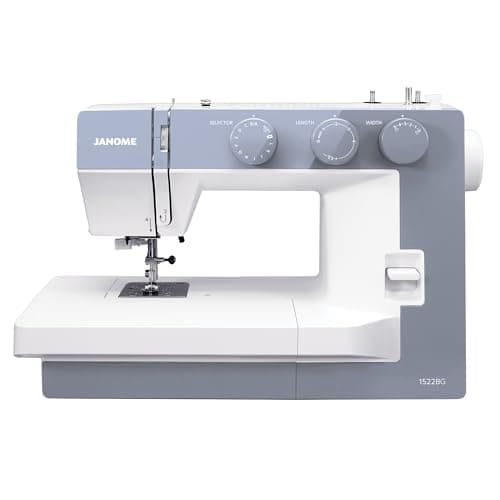 Janome 1522The metal frame and the durability, from a dealer-backed mechanical machine. | Closest like-for-like alternative | 7.6 | |
| 2 | 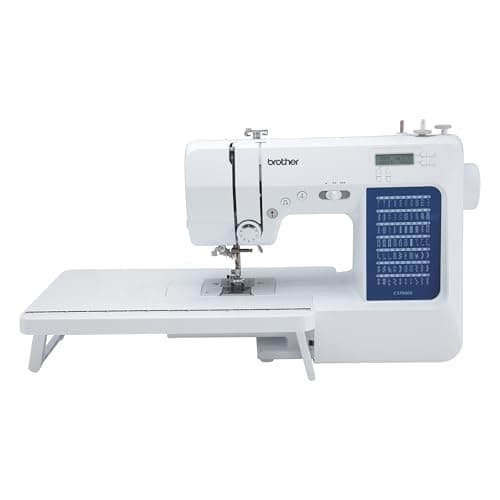 Brother CS7000XA speed slider, a quieter body, and control the Heavy Duty line does not offer. | Best if the noise and speed are the problem | 8.2 | |
| 3 | 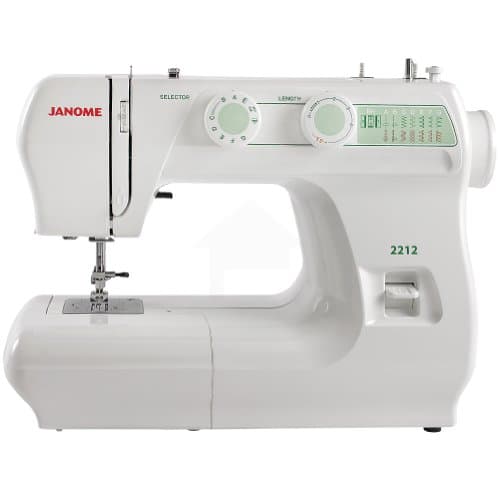 Janome 2212Dials, drop feed and a build reputation, with almost nothing to fail. | Best simple mechanical alternative | 7.6 | |
| 4 | 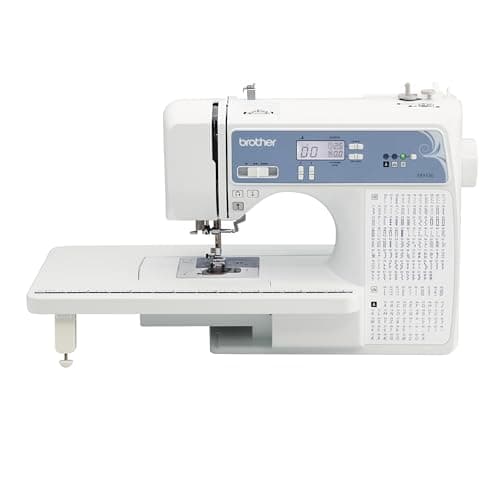 Brother XR9550165 stitches, 8 buttonhole styles and a wide table, for lighter fabric. | Best if you want range instead of muscle | 7.7 |
Prices shown are Amazon prices as of November 8, 2026 and can change.Scores are our editorial judgment on six axes, explained on the methodology page. We do not run a test lab and never claim to.
First, the fair part. The Singer Heavy Duty line — the 4411, 4423, 4432 and 4452 — is one of the best-selling sewing machine families in the United States for real reasons. It has a metal interior frame and a stainless steel bedplate, it runs at 1,100 stitches per minute, it has an extra-high presser foot lift that gets thick layers under the needle in the first place, and it is sold at a price that undercuts most machines built that way. If you want to hem jeans, sew canvas tote bags or push through several layers of anything without thinking about it, the line earns its reputation. It is also everywhere, which means parts, feet and tutorials for your exact model are easy to find.
But “heavy duty” describes a frame and a motor, not a universally better machine — and that is where people start looking for an alternative. In our experience there are four distinct reasons, and they point at four different machines. Work out which one is yours and this page gets short.
The four reasons people look elsewhere
Each reason for wanting an alternative, and the machine that answers it.
Notice what is not on that list: stitch quality on everyday cotton. On a normal mid-weight seam the Heavy Duty machines sew perfectly well, and anyone telling you otherwise is selling something. The honest objections are about noise, control, longevity and fit for purpose.
It is also worth checking whether your objection is to the line or to one model. All four Heavy Duty machines are one chassis at four stitch counts, so if the 4411’s four-step buttonhole is the problem, the answer may simply be the 4423 rather than a different brand — which Singer Heavy Duty is best settles that within-line question.
Closest like-for-like alternative: Janome 1522
If what you want is the Heavy Duty proposition — a mechanical machine with a metal frame that will outlive you — from a different maker, this is it. The Janome 1522 has 22 stitches, a one-step buttonhole, a built-in needle threader, drop feed, a foot pressure adjustment dial and the solid metal frame Janome built its reputation on. Nothing on it depends on a circuit board. It is typically sold through dealers, which means you can have it demonstrated and serviced by someone who knows the model.
What you give up. Speed and raw push: the 1522 is not a 1,100 stitches-per-minute machine with an extra-high foot lift, so on genuinely heavy layers the Singer is the better tool. You also pay more, and stock comes and goes because it is sold mainly as a color edition. Our Janome 1522 review has the detail, and Janome 1522 vs Singer 4452 is this exact decision, head to head.
If the noise and the speed are the problem: Brother CS7000X
This is the most common reason by a wide margin, and it is a legitimate one. The Heavy Duty machines have no speed limiter, so a beginner has to control a fast motor with their foot while also steering fabric, and the machines are loud enough to matter in an apartment or a shared room at night.
The CS7000X answers it directly with a speed control slider: you set a ceiling and the machine will not exceed it, no matter what your foot does. Add the automatic needle threader, the drop-in bobbin with a clear cover, 70 stitches with seven one-step buttonholes and the wide table in the box, and it is the machine we recommend to more first-time buyers than any other.
What you give up. Thick fabric capability. It has a metal internal frame inside a light plastic shell, so the body can shift on a thick seam — it handles occasional denim, not canvas every week. You also give up dials for a menu. The direct comparison is Brother CS7000X vs Singer 4423, and our quiet machines roundup is the page if noise is the whole issue.
Best simple mechanical alternative: Janome 2212
If the appeal of a Heavy Duty was that it is mechanical and uncomplicated rather than that it is fast, the 2212 is the purer version of that idea. Twelve stitches, three dials, a four-step buttonhole, drop feed for free-motion work and a free arm. There is almost nothing on it that can fail, which is why sewing classes keep buying it, and it teaches you what stitch length and width actually do instead of hiding them in a menu.
What you give up. Conveniences and power. No automatic needle threader, no one-step buttonhole, no drop-in bobbin, and the four-step buttonhole takes practice. It also costs less than the 1522 precisely because it does without those. See our Janome 2212 review, or Janome 2212 vs Singer 4423 for the direct call.
If you will not actually sew heavy fabric: Brother XR9550
This is the alternative nobody asks for by name, and it is the right answer more often than the other three. A large share of Heavy Duty buyers never sew anything heavier than a pair of jeans hems, and for them the frame and the motor are paid-for capability that sits idle while the lack of a speed limiter and the noise are felt every single session.
The XR9550 spends the same sort of money on range instead: 165 built-in stitches including 55 alphanumeric characters, eight one-step buttonhole styles, an LCD display, an automatic threader, a drop-in bobbin and the wide table included. On clothes, quilting and light fabric it is the more pleasant machine by a distance.
What you give up. Any pretense of heavy capability, and the speed slider — which the cheaper CS7000X has and this does not. Most of those 165 stitches will go unused; our stitches explained guide is honest about how few you need. CS7000X vs XR9550 settles which of the two Brothers to pick.
What “heavy duty” actually describes
It is worth being precise about the thing you would be giving up, because the phrase is vague by design and the reality is narrower than it sounds. On this line it means three specific pieces of hardware.
A metal interior frame. The chassis the moving parts bolt to is cast metal rather than molded plastic, which is why the machine stays planted instead of flexing when the needle meets resistance. The outer shell is still plastic — a Heavy Duty is not an all-metal machine, and nobody at Singer says it is. A fast motor. 1,100 stitches per minute is roughly a third quicker than a typical beginner machine, which is useful on long seams and actively unhelpful on short curved ones. An extra-high presser foot lift. The least advertised and most useful of the three: it is what gets four layers of denim under the needle before you start, which is a different problem from sewing them once they are there.
What it does not mean is industrial. An industrial machine is a separate motor, a table and one stitch; a domestic Heavy Duty is a stronger version of a home machine. Real leather is still a struggle on it, and machines for leather and faux leather is honest about where that ceiling sits.
Things people suggest that are not really alternatives
Three substitutes come up constantly in forum threads, and each one is a trap for a different reason.
A cheaper lightweight Brother. The XM2701 and GX37 are good machines and we recommend them often, but they are the opposite of a Heavy Duty — lighter bodies that move on thick seams. If thick fabric is why you were shopping in this part of the market, they are a downgrade rather than an alternative; our cheap machines roundup puts them in their proper context.
A vintage all-metal machine. The classic suggestion, and it is not wrong on the engineering: an older all-metal domestic machine really can be more solidly built than anything sold new at this price. The catch is that you are buying a specific used item with an unknown service history, usually with no zigzag, no buttonhole and no warranty. Are vintage sewing machines good for beginners works through it, and new versus used covers the money side.
A serger. Not a substitute at all — a serger trims and encloses a seam allowance, it does not sew a seam you can press open, and it cannot do a buttonhole or a topstitch. It is a second machine, not a replacement; do you need a serger explains when that second machine is worth it.
If you already own one and it is fighting you
A fair number of people arrive at this question holding a Heavy Duty that is skipping stitches, bunching thread underneath or refusing to feed, and conclude the machine is wrong. Usually it is not, and replacing it would be an expensive way to find that out. Three checks first, in order.
The needle. Blunt, bent, or the wrong type for your fabric is the single most common cause of bad stitching on any machine — a stretch or ballpoint needle for knits, a denim needle for heavy wovens. See needle sizes explained. The threading path. Thread that has jumped out of the tension discs produces a nest underneath that looks exactly like a bobbin fault; bobbin thread bunching up walks through it. The tension and the lint. Our tension guide and skipping stitches cover the rest. Work through those and the machine you wanted to replace is often the machine you keep.
The question worth asking before you switch
Be concrete about the heaviest thing you will sew in the next year, and say it out loud. Not the heaviest thing you can imagine sewing — the heaviest thing you will actually put under the needle.
If the answer is hemming jeans a few times a year, almost any machine on this page does it with the right needle, and a denim needle costs less than a coffee. If the answer is canvas bags, upholstery weight cotton or several layers every week, then the Heavy Duty line is not a compromise you are making — it is the correct tool, and the alternative you want is probably a different Singer rather than a different brand. Our do you need a heavy duty sewing machine guide works through that line properly, because it is the most oversold phrase in the category, and machines for denim and heavy fabric is the roundup if the answer turns out to be yes.
If the answer is upholstery proper — slipcovers, cushions, vinyl — be aware that no domestic machine in this price range is really the tool, Singer included; machines for upholstery draws that boundary honestly.
The picks in full
01 - Closest like-for-like alternative
Janome 1522
A step up the mechanical ladder - more stitches, same build.
- 22 built-in stitches
- One-step buttonhole
- Built-in needle threader
- Drop feed, 3-piece feed dog, foot pressure adjustment dial
- Solid metal frame in the Janome tradition
- Get it if
- You like what the 2212 stands for but want a one-step buttonhole, a needle threader and a wider stitch range.
- Skip it if
- You are buying on price - the 2212 is the value pick in the line - or you want a drop-in bobbin.
The trade-off
You pay a clear premium over the 2212, and what you get for it is convenience rather than a better seam: the buttonhole, the threader and the extra stitches. Whether that is worth it depends on how many buttonholes you expect to sew.
How the Janome 1522 scores
Our judgment on the six axes described on the methodology page. Not measurements - we do not run a test lab.
- Setup and threading
- 8/10
- Everyday stitch quality
- 9/10
- Thick fabric
- 7/10
- Beginner features
- 7/10
- Durability reputation
- 10/10
- Help for this exact model
- 6/10
Overall 7.6/10
02 - Best if the noise and speed are the problem
Brother CS7000X
Does the fiddly parts for you so you can spend your energy learning to sew.
- 70 built-in stitches, 7 one-step buttonholes
- Automatic needle threader, drop-in top bobbin
- Speed-control slider
- Wide table and 10 presser feet included
- Get it if
- You want threading, buttonholes and stitch settings handled by the machine, and you might try quilting later - the wide table is already in the box.
- Skip it if
- You want physical dials instead of a menu, or you will be sewing canvas, upholstery or leather regularly.
The trade-off
A metal internal frame inside a light plastic shell. That makes it easy to carry and quiet on cottons and mid-weights; it is not built for heavy layers every day the way a Heavy Duty is.
How the Brother CS7000X scores
Our judgment on the six axes described on the methodology page. Not measurements - we do not run a test lab.
- Setup and threading
- 9/10
- Everyday stitch quality
- 8/10
- Thick fabric
- 6/10
- Beginner features
- 9/10
- Durability reputation
- 7/10
- Help for this exact model
- 10/10
Overall 8.2/10
03 - Best simple mechanical alternative
Janome 2212
Twelve stitches, nothing to break - the classroom favorite.
- 12 stitches, dial controls, four-step buttonhole
- Drop feed for free-motion quilting
- Free arm for cuffs and sleeves
- A reputation for lasting decades
- Get it if
- You value reliability over conveniences and want a machine still working long after the computerized ones are gone.
- Skip it if
- You want an automatic threader, a one-step buttonhole or a drop-in bobbin - it has none of them.
The trade-off
Fewer conveniences, more longevity. The four-step buttonhole and front-loading bobbin are a little more work to learn.
How the Janome 2212 scores
Our judgment on the six axes described on the methodology page. Not measurements - we do not run a test lab.
- Setup and threading
- 6/10
- Everyday stitch quality
- 9/10
- Thick fabric
- 7/10
- Beginner features
- 4/10
- Durability reputation
- 10/10
- Help for this exact model
- 7/10
Overall 7.6/10
04 - Best if you want range instead of muscle
Brother XR9550
More stitches and a bigger screen than the CS7000X, for the same job.
- 165 built-in stitches - 110 utility and decorative plus 55 alphanumeric
- 8 one-step buttonhole styles
- LCD display and stitch selection
- Wide table included
- Automatic threader, drop-in bobbin
- Get it if
- You want the CS7000X's convenience with a larger display and more decorative stitches.
- Skip it if
- You would rather put the difference toward fabric - you will use a fraction of the stitch library.
The trade-off
The extra stitches are decorative. The real difference from the CS7000X is the display, and the CS7000X's speed slider is arguably worth more to a beginner.
How the Brother XR9550 scores
Our judgment on the six axes described on the methodology page. Not measurements - we do not run a test lab.
- Setup and threading
- 9/10
- Everyday stitch quality
- 8/10
- Thick fabric
- 6/10
- Beginner features
- 8/10
- Durability reputation
- 7/10
- Help for this exact model
- 8/10
Overall 7.7/10
Questions beginners actually ask
What is a good alternative to a Singer Heavy Duty sewing machine?
It depends which part does not suit you. For the same metal-framed mechanical proposition with better long-term build, the Janome 1522. If the noise and the lack of speed control are the problem, the Brother CS7000X. For simple dials with almost nothing to fail, the Janome 2212. And if you were never really going to sew heavy fabric, the Brother XR9550 spends the money on range instead.
Is the Singer Heavy Duty a bad machine?
No. It has a metal interior frame, a stainless steel bedplate, 1,100 stitches per minute and an extra-high presser foot lift, at a price well below most machines built that way, and it is one of the best-selling lines in the country for good reason. The honest objections are that it is loud, it has no speed limiter, and it is more machine than many buyers need.
What is the quietest alternative to a Singer Heavy Duty?
The Brother CS7000X. The decisive feature is its speed control slider, which sets a ceiling the motor will not exceed regardless of how hard you press the pedal - the Heavy Duty line has no equivalent. It is also a lighter, less resonant machine, though it handles thick fabric less well as a direct result.
Which brand is most similar to Singer Heavy Duty for durability?
Janome. The 1522 is the closest like-for-like: a mechanical machine with a solid metal frame, a one-step buttonhole, a built-in threader and drop feed, usually sold through dealers who can service it. You pay more and you give up the Singer's speed and extra-high foot lift.
Should I just buy a different Singer Heavy Duty model instead?
Often, yes. All four machines in the line - 4411, 4423, 4432 and 4452 - share one chassis, one motor and the same stitch quality, so if your complaint is a four-step buttonhole or a short stitch list, the 4423 or 4432 fixes it without changing brand. A different brand only helps if your objection is the noise, the speed or the build.
Where do the prices in the buy buttons come from?
Amazon's own product data, refreshed daily and stamped with the date. We never type a price into an article, and if the refresh stops the number is removed rather than left to go stale. What you pay is whatever Amazon shows at checkout.
Sources
- Singer (manufacturer specifications)
- Janome America (manufacturer specifications)
- Brother (manufacturer specifications)
Specifications are taken from manufacturer listings. We do not run a test lab and never claim to - how each machine is assessed is set out on our methodology page.
Read next
- Which Singer Heavy Duty sewing machine is best?
If the answer is a different Singer rather than a different brand.
- Do you need a heavy-duty sewing machine?
The question this page assumes you have already answered.
- Brother CS7000X vs Singer 4423
The two sides of this decision, head to head.
- Janome 1522 vs Singer 4452
The like-for-like alternative against the top of the Singer line.