Compare · Patient vs powerful
Janome 2212 vs Singer Heavy Duty 4423
Two mechanical machines with no screen between them, pulling in opposite directions. One is patient. One is powerful.
By Michael W. · Published
Disclosure: this page contains affiliate links. As an Amazon Associate, StitchStarter earns from qualifying purchases at no extra cost to you. We do not display prices - they change daily, so every button opens the live listing. It never changes which machines we recommend. Full disclosure.
Quick picks
The short answer. Every pick is explained in full below, including who should skip it.
| # | Product | Best for | Score | Price |
|---|---|---|---|---|
| 1 |  Janome 2212Twelve stitches, a drop feed, and a reputation for outliving its owner. Janome 2212Twelve stitches, a drop feed, and a reputation for outliving its owner. | Best if you want it to last | 7.6 | |
| 2 | 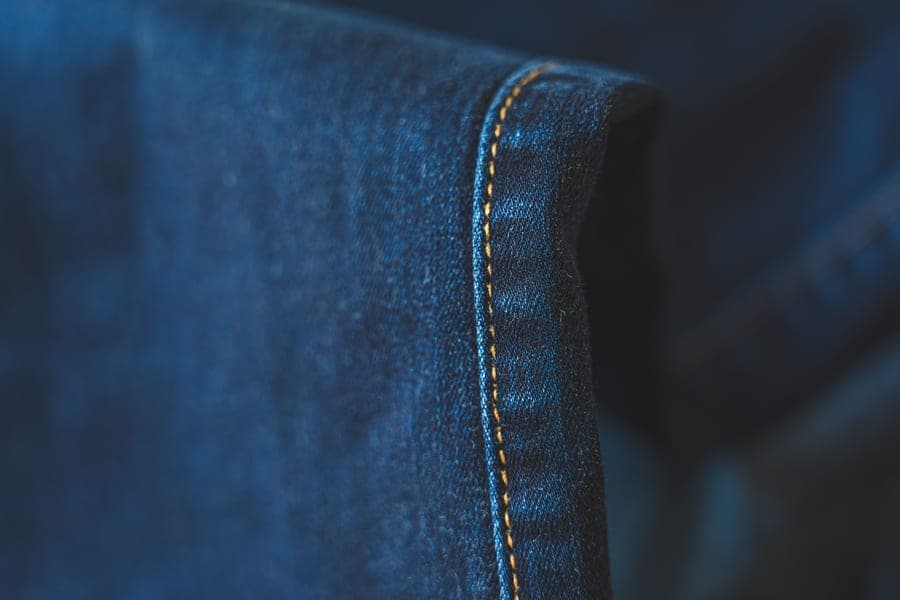 Singer Heavy Duty 4423Metal frame, 1,100 stitches a minute, extra-high foot lift. Singer Heavy Duty 4423Metal frame, 1,100 stitches a minute, extra-high foot lift. | Best if thick fabric is the point | 7.8 | |
| 3 | 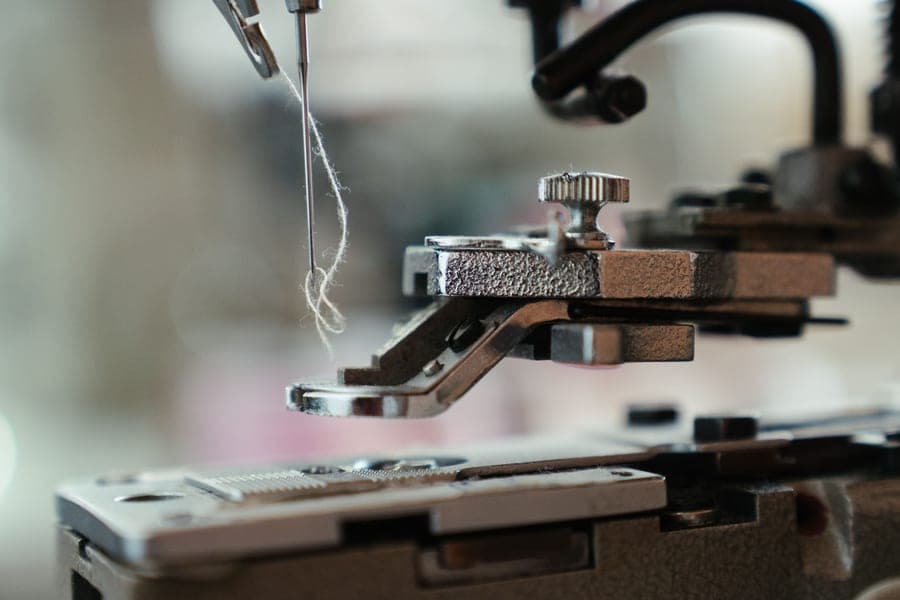 Brother CS7000XThe computerized middle: speed slider, easy bobbin, wide table. Brother CS7000XThe computerized middle: speed slider, easy bobbin, wide table. | Best if neither is quite right | 8.2 |
Scores are our editorial judgment on six axes, explained on the methodology page. We do not run a test lab and never claim to.
Buy the Janome 2212 if you want a quiet, simple machine that will still be sewing in twenty years, and the Singer Heavy Duty 4423 if you are buying a machine to hem jeans, sew canvas and push through several layers. Both are mechanical, both are dial-driven, and both are honest machines - but they were built with different owners in mind, and the specifications barely matter next to that.
The short version: the Janome is better at sewing, the Singer is better at surviving thickness. If you cannot decide, it is usually because you want both, and the machine that gets closest to both is neither of these - it is the Brother CS7000X.
At a glance
Specifications as published by each manufacturer.
Two rows in that table decide almost every purchase. The Janome has a drop feed, which means the feed dogs can be lowered so you move the fabric yourself - that is what free-motion quilting and darning require, and almost nothing else at this level offers it. The Singer has an extra-high presser foot lift and a motor with the torque to use it, which is what folded denim hems require.
The first week
The Singer is easier to start sewing on and the Janome is easier to understand. That sounds like a quibble and it is not.
The 4423 hands you an automatic needle threader and a one-step buttonhole. You press a lever, the machine sews all four sides of the buttonhole, and you are done. The 2212 asks you to thread the needle by eye and to sew a buttonhole in four separate passes, turning the dial between each one. The first time, that takes fifteen minutes and a scrap of fabric. By the fourth time it takes two.
What the Janome gives you in exchange is a machine with no menu and nothing hidden. Stitch width and stitch length are two dials you can see, and the relationship between what you turn and what comes out of the needle is immediate. Beginners who learn on a 2212 tend to understand their settings; beginners who learn on an automatic machine often never find out what they are.
Both have a front-loading bobbin, which is the single most common cause of thread bunching underneath the fabric. Neither has the advantage there.
Thick fabric
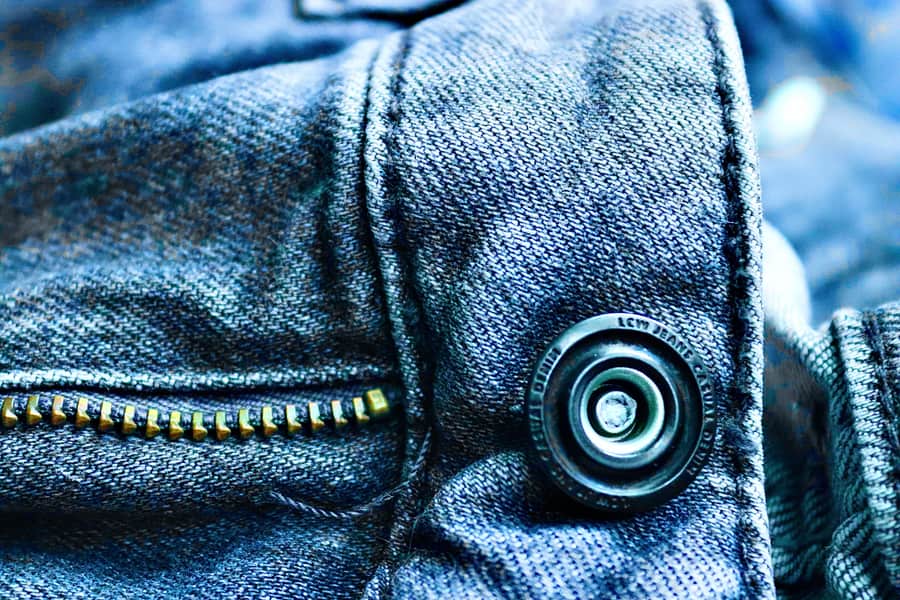
The 4423, decisively. Three things stack up and all three matter: a metal interior frame so the machine stays planted instead of skidding across the table, a presser foot that lifts higher than standard so folded layers physically fit underneath, and a 1,100-stitch-per-minute motor with enough momentum to carry the needle through them.
The 2212 is not a weak machine - it will hem light denim and sew a tote bag - but at the point where two folded jeans hems cross, you are asking for four to six layers plus topstitch thread, and that is the 4423’s job rather than the Janome’s. Our heavy-duty guide is the honest test for whether you need that at all.
Quilting and free motion
Here the Janome wins outright, and it is the reason the 2212 keeps turning up in sewing classes. Lower the feed dogs, fit a darning foot, and you control where the fabric goes - which is how free-motion quilting, thread painting and darning a hole are all done. The 4423 has no drop feed and no accessory that adds one.
The caveat is throat space. Neither machine has much, and neither comes with the wide table that makes a quilt manageable. If quilting is the actual plan rather than a maybe, our quilting roundup starts from a different shortlist, and throat space explained covers why.
Noise and where the machine lives
The 4423 is loud. A fast motor in a metal frame makes noise and the frame carries it, and the machine’s slowest speed is still quicker than most people want on day one. In a flat, a shared room or a house with someone asleep, that is a real constraint rather than a quibble - see our quiet machine roundup if that is your situation.
The 2212 makes a low mechanical hum and you set the pace with the pedal. It is the machine you can use at ten at night.
Which one lasts
Both are good bets and the Janome is the better one. Janome’s mechanical machines have a long reputation for still working decades on, and the 2212 has almost nothing on it that can fail - no circuit board, no screen, no motorised buttonhole mechanism. The 4423’s metal frame is genuine and it is the reason the Heavy Duty line survives thick work, but a fast motor driven hard through canvas is working harder than a Janome sewing cotton.
The honest caveat on both: a machine lasts as long as it is cleaned and oiled, and neither brand exempts you from that. Our lifespan guide and maintenance guide cover the ten-minute version.
All three machines
The two in the comparison, plus the machine most buyers stuck between them actually choose.
Janome 2212
Twelve stitches, two dials, a drop feed, and the build that keeps sewing classes buying it.
Skip it if You want an automatic threader, a one-step buttonhole or a drop-in bobbin - it has none of them.
Singer Heavy Duty 4423
The answer when jeans, canvas and crossing seams are the real plan.
Skip it if You mostly want gentle control on light fabrics, or a quiet machine for an apartment.
Brother CS7000X
Speed slider, automatic threader, drop-in bobbin and a wide table in the box.
Skip it if You want physical dials instead of a menu, or you will be sewing canvas, upholstery or leather regularly.
#ad - buy links go to Amazon and earn us a commission at no extra cost to you. Full disclosure.
The picks in full
01 - Best if you want it to last
Janome 2212
Twelve stitches, nothing to break - the classroom favorite.
- 12 stitches, dial controls, four-step buttonhole
- Drop feed for free-motion quilting
- Free arm for cuffs and sleeves
- A reputation for lasting decades
- Get it if
- You value reliability over conveniences and want a machine still working long after the computerized ones are gone.
- Skip it if
- You want an automatic threader, a one-step buttonhole or a drop-in bobbin - it has none of them.
The trade-off
Fewer conveniences, more longevity. The four-step buttonhole and front-loading bobbin are a little more work to learn.
#ad - opens Amazon in a new tab. How we earn
How the Janome 2212 scores
Our judgment on the six axes described on the methodology page. Not measurements - we do not run a test lab.
- Setup and threading
- 6/10
- Everyday stitch quality
- 9/10
- Thick fabric
- 7/10
- Beginner features
- 4/10
- Durability reputation
- 10/10
- Help for this exact model
- 7/10
Overall 7.6/10
02 - Best if thick fabric is the point
Singer Heavy Duty 4423
Fast, sturdy and simple - the machine for denim hems and tote bags.
- Metal interior frame, stainless steel bedplate
- 1,100 stitches per minute
- 23 stitches, one-step buttonhole, automatic threader
- Extra-high presser foot lift for thick layers
- Get it if
- You want physical dials, you plan to sew jeans, canvas or several layers, and you do not mind a machine that is loud and quick.
- Skip it if
- You mostly want gentle control on light fabrics, or a quiet machine for an apartment.
The trade-off
Heavy duty means a metal frame and a fast motor, not an industrial machine. It handles denim well; real leather is still a struggle.
#ad - opens Amazon in a new tab. How we earn
How the Singer Heavy Duty 4423 scores
Our judgment on the six axes described on the methodology page. Not measurements - we do not run a test lab.
- Setup and threading
- 7/10
- Everyday stitch quality
- 8/10
- Thick fabric
- 9/10
- Beginner features
- 6/10
- Durability reputation
- 8/10
- Help for this exact model
- 9/10
Overall 7.8/10
03 - Best if neither is quite right
Brother CS7000X
Does the fiddly parts for you so you can spend your energy learning to sew.
- 70 built-in stitches, 7 one-step buttonholes
- Automatic needle threader, drop-in top bobbin
- Speed-control slider
- Wide table and 10 presser feet included
- Get it if
- You want threading, buttonholes and stitch settings handled by the machine, and you might try quilting later - the wide table is already in the box.
- Skip it if
- You want physical dials instead of a menu, or you will be sewing canvas, upholstery or leather regularly.
The trade-off
Light and mostly plastic. That makes it easy to carry and quiet on cottons and mid-weights; it is not built for heavy layers every day.
#ad - opens Amazon in a new tab. How we earn
How the Brother CS7000X scores
Our judgment on the six axes described on the methodology page. Not measurements - we do not run a test lab.
- Setup and threading
- 9/10
- Everyday stitch quality
- 8/10
- Thick fabric
- 6/10
- Beginner features
- 9/10
- Durability reputation
- 7/10
- Help for this exact model
- 10/10
Overall 8.2/10
Questions beginners actually ask
Is the Janome 2212 or Singer 4423 better for a beginner?
The Singer 4423 is easier on day one, because it has an automatic needle threader and a one-step buttonhole that the Janome lacks. The Janome 2212 is the better machine to learn on, because its two dials make stitch width and length obvious, and it is quiet enough to practise on at night.
Can the Janome 2212 sew denim?
Light to medium denim, yes, with a size 16 denim needle and a slower pass. It is not built for the point where two folded jeans hems cross - that is four to six layers, and the Singer 4423's metal frame and extra-high foot lift are what that seam needs.
Which lasts longer, a Janome 2212 or a Singer Heavy Duty 4423?
The Janome, on reputation and on simplicity - there is no circuit board, no screen and no motorised buttonhole mechanism to fail. The Singer's metal frame is real and the line is durable, but a fast motor driven through canvas works harder than a Janome sewing cotton.
Does the Singer 4423 have a drop feed for free-motion quilting?
No, and no accessory adds one. The Janome 2212 does, which is unusual at this level and the reason it appears in quilting classes. If free-motion quilting or darning matters to you, that single row settles the comparison.
Which is quieter?
The Janome 2212, by a wide margin. The 4423 pairs a 1,100-stitch-per-minute motor with a metal frame that transmits sound, and its slowest speed is still fairly fast. If you sew in a flat or near sleeping people, the Janome is the one you can actually use.
Sources
Specifications are taken from manufacturer listings. We do not run a test lab and never claim to - how each machine is assessed is set out on our methodology page.
Read next
- Janome 2212 review
- Singer Heavy Duty 4423 review
- Brother CS7000X vs Janome 2212
The same Janome, against the computerized alternative.
- Best mechanical sewing machines for beginners