Help
Sewing machine tension guide
Tension is the setting beginners adjust first and should adjust last. Here is how to read it before you touch it.
By Michael W. · Published
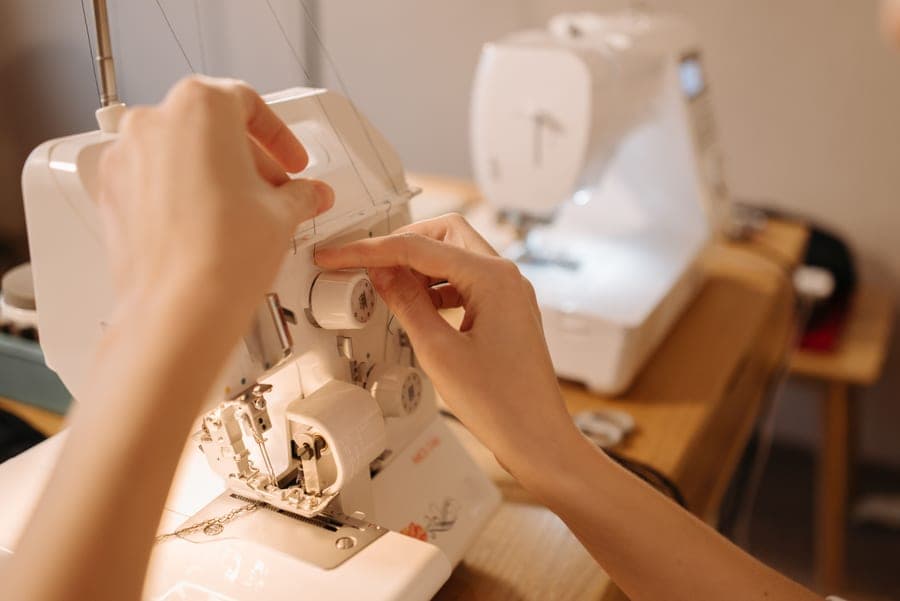
Correct tension means the top thread and the bobbin thread pull against each other equally, so they lock together in the middle of the fabric. When they do not, one thread pulls the other to its own side, and you can see that in the stitching.
Read the stitch before you turn anything
Sew a test seam on two layers of scrap fabric, using a contrasting thread color in the bobbin. Then look at both sides.
Using the dial
The numbered dial adjusts top tension only. Higher numbers pull the top thread tighter. Most machines sew most fabrics correctly at the middle setting - often marked or colored - and that is where you should return to whenever you are lost.
Adjust in single steps and test after each one. Two full numbers is a large change; people who go straight to the extremes end up with a machine they cannot get back.
Bobbin tension: leave it alone
Front-loading bobbin cases have a small screw that adjusts bobbin tension. Do not touch it. It is factory-set, it affects everything, and there is no reliable way to return it to where it was.
In the rare case where the bobbin genuinely is the problem - after you have eliminated everything else - a repair shop will reset it in minutes.
Things that look like tension and are not
A blunt or wrong needle. Change it first, every time. See our needle guide.
Cheap thread. Thread that sheds lint and varies in thickness cannot hold consistent tension.
Lint in the bobbin race. Compacted lint changes how the thread moves. Clean it before adjusting anything.
A bobbin wound over an old one. The layers slip and feed unevenly.
Questions beginners actually ask
How do I know if my sewing machine tension is wrong?
Sew a test seam with a contrasting bobbin color and look at both sides. If bobbin thread shows on top, the top tension is too tight. If top thread shows underneath, it is too loose. If both sides look the same with no loops, the tension is correct.
Which way do I turn the tension dial?
Higher numbers tighten the top thread, lower numbers loosen it. Adjust one number at a time and test after each. Most machines sew most fabrics correctly at the middle setting, which is where to return whenever you have lost track.
Should I adjust the bobbin tension screw?
No. It is factory-set, it affects everything, and there is no reliable way to return it to where it was. If the bobbin genuinely is the problem after you have eliminated everything else, a repair shop will reset it in minutes.
Why does my fabric pucker along the seam?
Usually tension that is too tight, or a stitch length too short for the fabric. Lower the top tension a number and lengthen the stitch. On fine fabric, a finer needle helps too.
Sources
Specifications are taken from manufacturer listings. We do not run a test lab and never claim to - how each machine is assessed is set out on our methodology page.