Best For · Best for plushies
The best sewing machines for plushies and stuffed animals
Our pick is the Brother CS7000X, and the reason is the speed slider: a plushie is nearly all curved seams in slippery pile fabric, and curves are sewn slowly. Sewing a toy is not scaled-down dressmaking.
By Michael W. · Published
Disclosure: this page contains affiliate links. As an Amazon Associate, StitchStarter earns from qualifying purchases at no extra cost to you. Prices are read from Amazon daily and dated; the price you pay is the one Amazon shows at checkout. It never changes which machines we recommend. Full disclosure.
Quick picks
The short answer. Every pick is explained in full below, including who should skip it.
| # | Product | Best for | Score | Price |
|---|---|---|---|---|
| 1 | 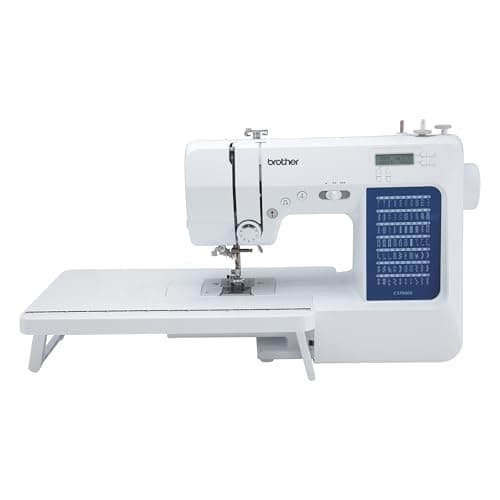 Brother CS7000XSpeed slider for curves, stretch stitches for fleece, free arm for limbs. | Best for plushies overall | 8.2 | |
| 2 | 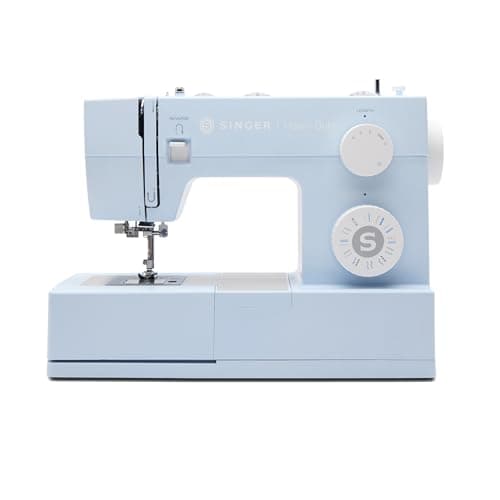 Singer Heavy Duty 4423Metal frame and a high foot lift for doubled minky and long-pile fur. | Best for thick plush and faux fur | 7.8 | |
| 3 | 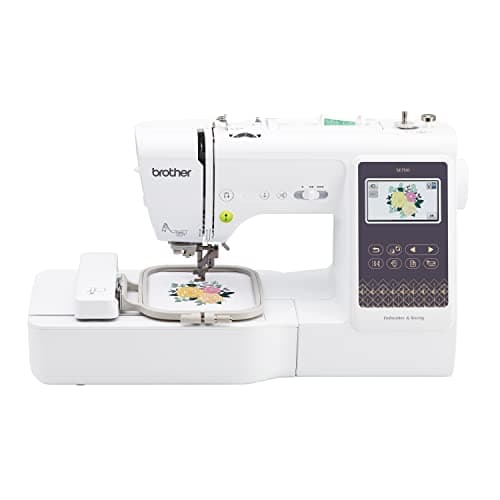 Brother SE700Stitches eyes and noses into the fabric - the safe option for a baby's toy. | Best for embroidered faces | 7.4 | |
| 4 | 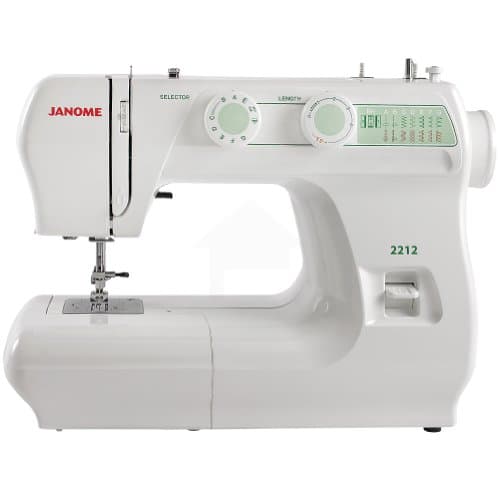 Janome 2212Dials you can set precisely, drop feed, and almost nothing to go wrong. | Best for stitch-length control | 7.6 | |
| 5 | 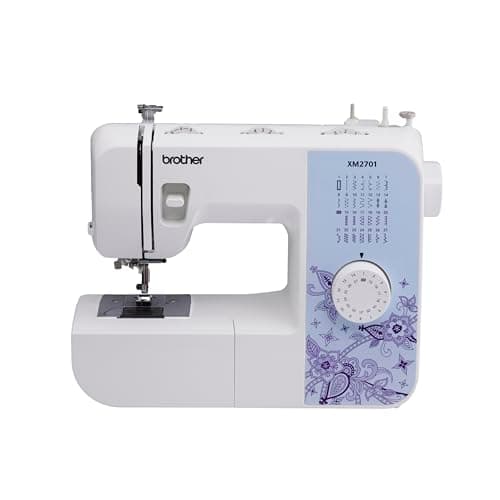 Brother XM2701Light, simple and genuinely capable on single-layer fleece. | Best budget pick | 7.3 |
Prices shown are Amazon prices as of November 8, 2026 and can change.Scores are our editorial judgment on six axes, explained on the methodology page. We do not run a test lab and never claim to.
A plushie is not a small garment. It is a curved bag made of thick, shifting, high-pile fabric, sewn almost entirely on the round, left open at a gap you close by hand, and then handed to someone who will drag it around by one arm for a decade. The features that make a machine good at this are not the ones on the front of the box, and they are not the same ones that make a machine good at doll clothes — that job is tiny woven garments and precision; this one is bulk, curves and durability.
Our pick is the Brother CS7000X, and the deciding feature is the speed control slider. You cannot steer a tight curve at full pedal, and a plush toy is nearly all tight curves.
What plush sewing actually asks of a machine
Five things, in the order they matter. This is the list the picks below are ranked against.
What matters when you are sewing minky, fleece and faux fur into a toy.
Two things that do not matter: stitch count, and anything described as heavy duty for its own sake. You will use a straight stitch, a narrow zigzag, and reverse. That is the whole plushie stitch library.
Best for plushies overall: Brother CS7000X
The CS7000X wins on control. The speed slider means you can set the machine to a crawl and keep both hands on a curving seam instead of modulating a pedal, which is exactly the problem plush sewing presents. It has 70 built-in stitches including stretch stitches for fleece, an automatic needle threader, a drop-in bobbin you can see through, a free arm for limbs and tails, and the wide table — useful when you are wrestling a half-stuffed body panel.
Who should skip it. Anyone making plushies out of genuinely heavy material — upholstery-weight faux fur, or several layers of doubled minky — because the light plastic shell lets the body shift on thick seams. And anyone who prefers dials to a menu. Our full CS7000X review has the longer version.
Best for thick plush and faux fur: Singer Heavy Duty 4423
If your plushies are large, or made from long-pile faux fur with a woven backing, the 4423 is the machine that will not notice. Metal interior frame, stainless steel bedplate, an extra-high presser foot lift that actually gets doubled plush under the needle, and a motor that does not slow down when the layers thicken.
Who should skip it. Anyone making small, detailed plushies, which is most people. It has no speed limiter and its slowest speed is still fairly quick — the opposite of what a tight curve wants. It is also loud. If you want the metal frame but the pace worries you, the honest comparison is in CS7000X vs Singer 4423, and alternatives to a Singer Heavy Duty covers the other ways to get a sturdy frame.
Best for embroidered faces: Brother SE700
This is the one pick here that exists for a safety reason rather than a sewing one. Plastic safety eyes and noses are the usual way to give a plushie a face, and the standard advice for a toy intended for a child under three is not to use them at all — an embroidered or stitched face has nothing to come loose. The SE700 is a competent sewing machine and a 4 x 4 inch embroidery machine in one box, with 135 built-in designs, a color touchscreen and wireless design transfer, so faces, names and small motifs are stitched into the fabric before you assemble the toy.
Who should skip it. Anyone who is not going to embroider. The same money buys a better dedicated sewing machine, the 4 x 4 inch field is small once you start designing, and embroidery has quiet ongoing costs for stabilizer, thread and designs. It is also more machine to learn than a first-timer may want. Sewing machine vs embroidery machine is the page to read before spending on this, and it sits at the top of our under $500 roundup or just past it.
Best for stitch-length control: Janome 2212
The 2212 is twelve stitches, three dials, and close to nothing that can fail. For plush work that is a real argument: you can set a stitch length precisely, read it off the dial, and repeat it on the next toy without hunting through a menu. It has drop feed, a free arm, and the Janome build reputation — it is the machine sewing classes keep buying.
Who should skip it. Anyone who wants the conveniences. There is no automatic needle threader, no one-step buttonhole and no drop-in bobbin, and the four-step buttonhole takes practice — though a plushie rarely needs a buttonhole at all. There is also no speed limiter. Our Janome 2212 review is honest about the trade, and mechanical vs computerized frames the broader decision.
Best budget pick: Brother XM2701
If plushies are a project rather than a plan, the XM2701 does the job for a fraction of the money. 27 stitches, a one-step buttonhole, automatic needle threader, drop-in bobbin, free arm, six presser feet, and light enough to put away between projects. On single-layer fleece and standard minky it is genuinely capable.
Who should skip it. Anyone sewing plush in volume or in bulk. No speed limiter, no wide table, and the plastic body moves on thick seams — doubled minky is where you will feel the limit. If you are weighing it against the CS7000X, that is the whole subject of CS7000X vs XM2701.
Also considered: the Singer 4452, and the walking foot question
One machine sits just off this list and deserves a paragraph, because for plush sewing specifically it has a real argument. The Singer Heavy Duty 4452 is mechanically the same machine as the 4423 — same frame, same motor, same stitch quality — sold as an accessory bundle that includes an even-feed walking foot and a slide-on extension table.
A walking foot feeds the top layer of fabric at the same rate as the bottom one, and the single most annoying property of minky is that the layers slide against each other as they feed. So if you sew plush in volume, that foot solves your actual problem rather than a theoretical one. We still led with the 4423 for two reasons: a walking foot can be bought separately for far less than the gap between the two machines, and most people reading this page are making a handful of toys rather than running a production line. If you already know plush is your main fabric, the 4452 is the more sensible version of the same recommendation.
What we did not consider is anything sold as a mini or handheld machine. They cannot keep tension through pile fabric, and a toy seam that fails is the one failure mode that matters here.
What to buy after the machine
Plush sewing is one of the few jobs where a small amount of kit changes the result more than the machine does, so if you are deciding where the last of a budget goes, this is the order we would spend it in.
Ballpoint or stretch needles first, because the universal needle that came with your machine is the most likely cause of skipped stitches on knit-backed plush. Clips rather than pins, since pins disappear into pile and reappear in a finished toy. A walking foot, if your machine did not include one and you are sewing plush regularly. A stuffing tool — a chopstick works — for getting filling into ears and paws. And a lint brush, because minky sheds relentlessly into the bobbin area and a clogged feed dog is a stitch-quality problem that looks like a tension problem. Our maintenance guide covers the cleaning, and presser feet explained covers which feet are worth owning.
Do you need a serger for plushies?
No, and this is worth saying because plush fabric is knit and sergers are associated with knits. A serger trims and encloses a seam allowance in one pass, which is excellent for garments made of jersey. A plushie seam is on the inside of a stuffed shape where nobody will ever see it, and it needs to be strong rather than tidy. A straight stitch with a back-tack at each end is stronger than a serged overlock for that job, and far easier to unpick when a limb ends up facing the wrong way, which it will.
Where a serger earns its place is if you also sew knit clothing in quantity. Our do you need a serger guide works through that honestly, and the short answer for a toy maker is to spend the money on fabric instead.
Making a toy somebody will actually give to a child
Four things matter more than the machine, and they are worth stating because a hand-made toy is often a gift.
Back-tack every seam end. Stuffing puts constant outward pressure on a seam, and an unsecured end unpicks itself — our backstitching guide covers the mechanics. Use a short stitch length. Long stitches gape between threads once the toy is filled. Sew the gap closed by hand. The stuffing opening is the one seam a machine cannot reach, and a ladder stitch is the standard answer. For a child under three, stitch the face. No plastic eyes, no glued parts, no beads or buttons — this is the single reason the SE700 is on this page.
None of that is a machine feature. All of it is why a plushie made on a modest machine by a careful sewist outlasts one made quickly on an expensive one.
If plushies are not the only plan
Most people who sew soft toys also sew other things, and the picks above shift depending on what else is on the list. If you are also making knits and stretchy fabric, the stretch-stitch argument for the CS7000X gets stronger. If quilts are coming too, the wide table matters more and our quilting beginners roundup is the better page. If the sewing is largely for or with a child, see best sewing machines for kids and what age a child can use a sewing machine. And if the toys are destined for a market stall or an online shop, machines for a small sewing business weighs duty cycle properly.
The picks in full
01 - Best for plushies overall
Brother CS7000X
Does the fiddly parts for you so you can spend your energy learning to sew.
- 70 built-in stitches, 7 one-step buttonholes
- Automatic needle threader, drop-in top bobbin
- Speed-control slider
- Wide table and 10 presser feet included
- Get it if
- You want threading, buttonholes and stitch settings handled by the machine, and you might try quilting later - the wide table is already in the box.
- Skip it if
- You want physical dials instead of a menu, or you will be sewing canvas, upholstery or leather regularly.
The trade-off
A metal internal frame inside a light plastic shell. That makes it easy to carry and quiet on cottons and mid-weights; it is not built for heavy layers every day the way a Heavy Duty is.
How the Brother CS7000X scores
Our judgment on the six axes described on the methodology page. Not measurements - we do not run a test lab.
- Setup and threading
- 9/10
- Everyday stitch quality
- 8/10
- Thick fabric
- 6/10
- Beginner features
- 9/10
- Durability reputation
- 7/10
- Help for this exact model
- 10/10
Overall 8.2/10
02 - Best for thick plush and faux fur
Singer Heavy Duty 4423
Fast, sturdy and simple - the machine for denim hems and tote bags.
- Metal interior frame, stainless steel bedplate
- 1,100 stitches per minute
- 23 stitches (97 stitch applications), one-step buttonhole, automatic threader
- Top drop-in bobbin with a clear cover
- Extra-high presser foot lift for thick layers
- Get it if
- You want physical dials, you plan to sew jeans, canvas or several layers, and you do not mind a machine that is loud and quick.
- Skip it if
- You mostly want gentle control on light fabrics, or a quiet machine for an apartment.
The trade-off
Heavy duty means a metal frame and a fast motor, not an industrial machine. It handles denim well; real leather is still a struggle.
How the Singer Heavy Duty 4423 scores
Our judgment on the six axes described on the methodology page. Not measurements - we do not run a test lab.
- Setup and threading
- 7/10
- Everyday stitch quality
- 8/10
- Thick fabric
- 9/10
- Beginner features
- 6/10
- Durability reputation
- 8/10
- Help for this exact model
- 9/10
Overall 7.8/10
03 - Best for embroidered faces
Brother SE700
A sewing machine and a 4x4 embroidery machine in one box.
- 103 sewing stitches plus 135 built-in embroidery designs
- 4 x 4 inch embroidery field
- Color touchscreen, wireless design transfer
- Automatic threader, drop-in bobbin
- Get it if
- You want to personalize things - names, monograms, patches, small designs - as well as sew.
- Skip it if
- You mainly want to make clothes or quilts. The same money buys a better dedicated sewing machine.
The trade-off
The 4 x 4 inch embroidery field is small, and embroidery has ongoing costs - stabilizer, thread, designs. Great at what it does; not a shortcut to a better sewing machine.
How the Brother SE700 scores
Our judgment on the six axes described on the methodology page. Not measurements - we do not run a test lab.
- Setup and threading
- 8/10
- Everyday stitch quality
- 8/10
- Thick fabric
- 5/10
- Beginner features
- 8/10
- Durability reputation
- 7/10
- Help for this exact model
- 8/10
Overall 7.4/10
04 - Best for stitch-length control
Janome 2212
Twelve stitches, nothing to break - the classroom favorite.
- 12 stitches, dial controls, four-step buttonhole
- Drop feed for free-motion quilting
- Free arm for cuffs and sleeves
- A reputation for lasting decades
- Get it if
- You value reliability over conveniences and want a machine still working long after the computerized ones are gone.
- Skip it if
- You want an automatic threader, a one-step buttonhole or a drop-in bobbin - it has none of them.
The trade-off
Fewer conveniences, more longevity. The four-step buttonhole and front-loading bobbin are a little more work to learn.
How the Janome 2212 scores
Our judgment on the six axes described on the methodology page. Not measurements - we do not run a test lab.
- Setup and threading
- 6/10
- Everyday stitch quality
- 9/10
- Thick fabric
- 7/10
- Beginner features
- 4/10
- Durability reputation
- 10/10
- Help for this exact model
- 7/10
Overall 7.6/10
05 - Best budget pick
Brother XM2701
The find-out-if-I-actually-like-this machine.
- 27 stitches, one-step buttonhole
- Automatic needle threader, drop-in bobbin
- 6 presser feet included
- Light enough to carry to a class
- Get it if
- You are not sure sewing will stick and you want a real, capable machine without spending what a better one costs.
- Skip it if
- You already know you will sew every week, or you want speed control and a quilting table.
The trade-off
Lightweight and basic. It does everything a beginner needs - buttonholes, zippers, hems - but you will outgrow it sooner than the CS7000X.
$149.99 · 5% off · price as of November 8, 2026
#ad - opens Amazon in a new tab. How we earn
How the Brother XM2701 scores
Our judgment on the six axes described on the methodology page. Not measurements - we do not run a test lab.
- Setup and threading
- 9/10
- Everyday stitch quality
- 7/10
- Thick fabric
- 5/10
- Beginner features
- 7/10
- Durability reputation
- 6/10
- Help for this exact model
- 9/10
Overall 7.3/10
Questions beginners actually ask
What is the best sewing machine for plushies?
The Brother CS7000X. A plushie is almost entirely curved seams in slippery pile fabric, and its speed-control slider lets you sew slowly enough to steer them. It also has stretch stitches for fleece, a free arm for limbs and tails, an automatic threader and a drop-in bobbin.
Can a regular sewing machine sew minky and fleece?
Yes. Minky, fleece and most faux fur are well within a normal domestic machine's range. The problems are handling rather than power: the layers slide as they feed, so pin or clip densely, and use a ballpoint or stretch needle instead of a universal to avoid skipped stitches on knit-backed plush.
What stitch should I use for stuffed animals?
A short straight stitch for most seams, back-tacked at both ends because stuffing pushes outward on every seam. On stretchy fleece a narrow zigzag or a dedicated stretch stitch gives the seam a little give so it does not snap under pressure. The stuffing gap is closed by hand, usually with a ladder stitch.
Do I need an embroidery machine to make plushie faces?
No - plenty of makers stitch or applique faces by hand. An embroidery machine such as the Brother SE700 matters in one specific case: a toy for a child under three, where plastic safety eyes are best avoided altogether and an embroidered face has nothing that can come loose.
Is a heavy duty machine better for stuffed animals?
Only if your toys are large or made from thick material such as doubled minky or long-pile faux fur. The Singer Heavy Duty 4423's metal frame and high foot lift help there. For small, detailed plushies it is the wrong tool - it has no speed limiter and its slowest speed is still fairly quick, which is the opposite of what a tight curve needs.
Where do the prices in the buy buttons come from?
Amazon's own product data, refreshed daily and stamped with the date. We never type a price into an article, and if the refresh stops the number is removed rather than left to go stale. What you pay is whatever Amazon shows at checkout.
Sources
- Brother (manufacturer specifications)
- Singer (manufacturer specifications)
- Janome America (manufacturer specifications)
Specifications are taken from manufacturer listings. We do not run a test lab and never claim to - how each machine is assessed is set out on our methodology page.
Read next
- Best sewing machines for doll clothes
The precision job, not the bulk one - a different list.
- Best sewing machines for knits and stretchy fabric
If fleece and jersey are most of what you sew.
- Sewing machine needle sizes explained
The ballpoint needle that stops skipped stitches on plush.
- Best sewing machines for kids
If the toy-making is for or with a child.