Help
Thread bunching up underneath: the fix
It looks like a bobbin problem. It almost never is. This is the single most useful thing a beginner can learn.
By Michael W. · Published
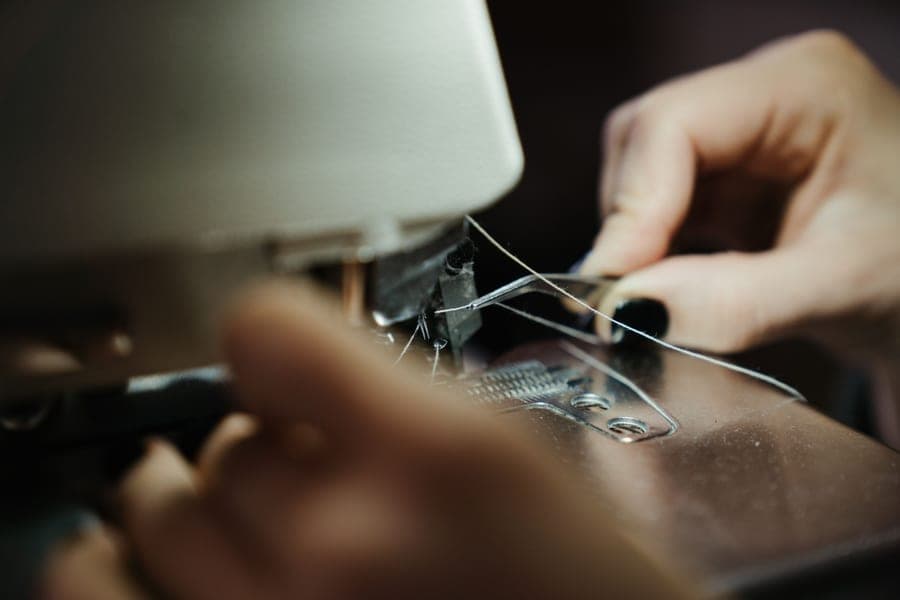
You sew a seam. The top looks fine. You turn the fabric over and there is a matted nest of loose thread underneath - sometimes enough to jam the machine.
Every beginner concludes the bobbin is at fault, because that is where the mess is. Almost every time, it is not.
Why the top thread makes a mess underneath
The top thread is supposed to be held under tension by two discs inside the machine. If it is not between them, it has no tension at all. The needle then pulls far more thread down through the fabric than the stitch needs, and all that slack collects on the underside, where the hook loops it around the bobbin thread.
So the mess is on the bottom, and the cause is on the top. That single fact saves more beginner frustration than any other.
The fix, in order
1. Cut the mess out. Raise the needle and the presser foot, and gently pull the fabric free toward the back. If it will not move, remove the needle plate and cut the threads away rather than yanking - pulling can bend the needle or damage the hook.
2. Unthread the top completely. Do not try to find the mistake. Pull the thread right out of the machine.
3. Raise the presser foot. This is the step everything depends on.
4. Rethread from the spool, following the numbered diagram, and make sure the thread passes through the take-up lever. Full threading guide.
5. Check the bobbin too. It should sit so it unwinds in the direction the diagram shows, with the thread pulled through its tension slot until you feel slight resistance.
6. Hold both thread tails for the first three or four stitches of your next seam. Unheld tails get pulled down into the machine and start the nest again - which is why this happens so often at the very start of a seam.
If it happens again straight away
Questions beginners actually ask
Why is my sewing machine thread bunching up underneath?
Almost always because the top thread is not seated between the tension discs, usually because the machine was threaded with the presser foot down. With no top tension the needle pulls too much thread through, and the slack collects underneath.
Is thread bunching a bobbin problem?
Rarely, despite the mess being on the bobbin side. Rethread the top with the presser foot raised first. Only if that does not fix it should you look at the bobbin class, how it was wound, and lint in the bobbin race.
How do I get fabric out when the thread has jammed?
Raise the needle and the presser foot and pull the fabric gently toward the back. If it will not move, remove the needle plate and cut the threads away rather than pulling hard - yanking can bend the needle or damage the hook.
Why does it bunch at the start of every seam?
Because the thread tails get pulled down into the machine. Hold both tails behind the presser foot for the first three or four stitches, and start about half a centimeter in from the fabric edge rather than right at it.
Sources
Specifications are taken from manufacturer listings. We do not run a test lab and never claim to - how each machine is assessed is set out on our methodology page.