Best For · Best for patches
The best sewing machines for patches
Sewing a patch is easy. Getting the machine to reach the patch is the whole problem - and on a cap or a finished sleeve, sometimes it cannot.
By Michael W. · Published
Disclosure: this page contains affiliate links. As an Amazon Associate, StitchStarter earns from qualifying purchases at no extra cost to you. Prices are read from Amazon daily and dated; the price you pay is the one Amazon shows at checkout. It never changes which machines we recommend. Full disclosure.
Quick picks
The short answer. Every pick is explained in full below, including who should skip it.
| # | Product | Best for | Score | Price |
|---|---|---|---|---|
| 1 | 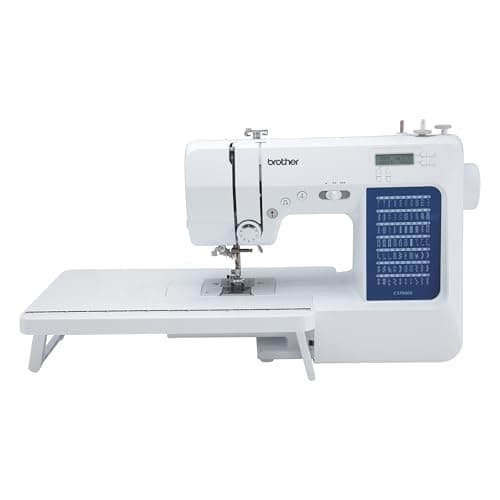 Brother CS7000XFree arm, speed slider for edges and corners, and a narrow zigzag you can set. | Best for patches overall | 8.2 | |
| 2 | 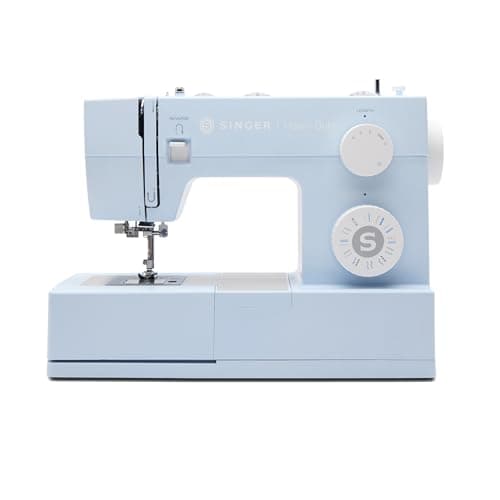 Singer Heavy Duty 4423Extra-high foot lift and a metal frame for patches on thick seams. | Best for denim and leather patches | 7.8 | |
| 3 | 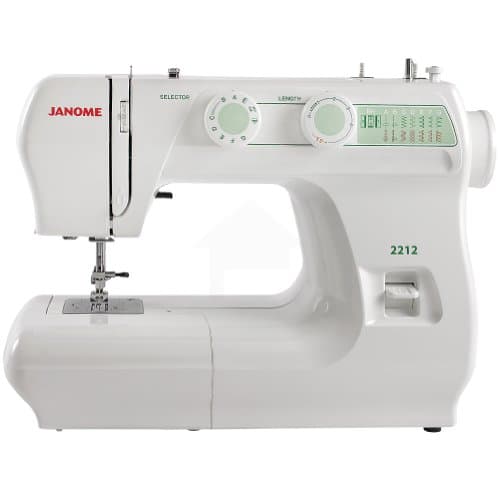 Janome 2212Dial-set zigzag width and length, plus drop feed for tacking. | Best for precise stitch control | 7.6 | |
| 4 | 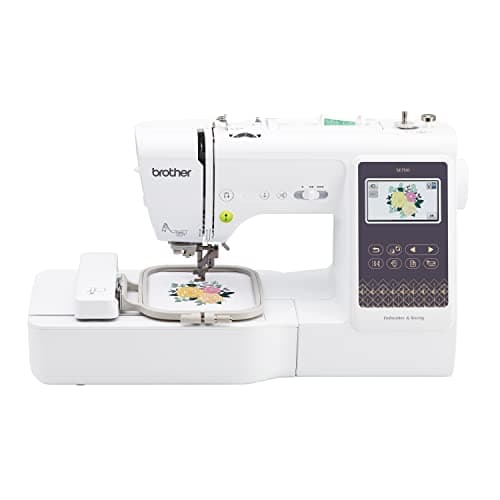 Brother SE700Stitches your own badges and names, rather than only attaching them. | Best if you want to make the patches | 7.4 | |
| 5 | 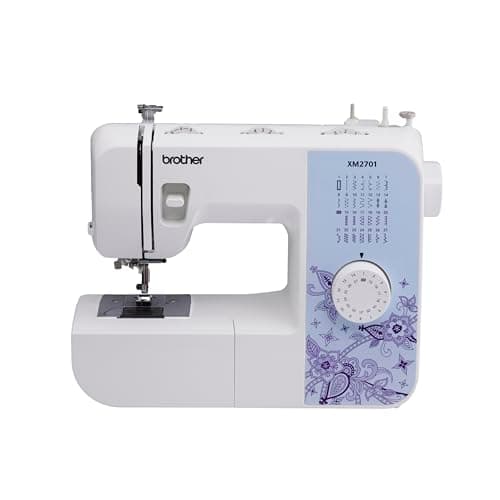 Brother XM2701Light, free-armed and perfectly capable on jackets and sashes. | Best budget pick | 7.3 |
Prices shown are Amazon prices as of November 22, 2026 and can change.Scores are our editorial judgment on six axes, explained on the methodology page. We do not run a test lab and never claim to.
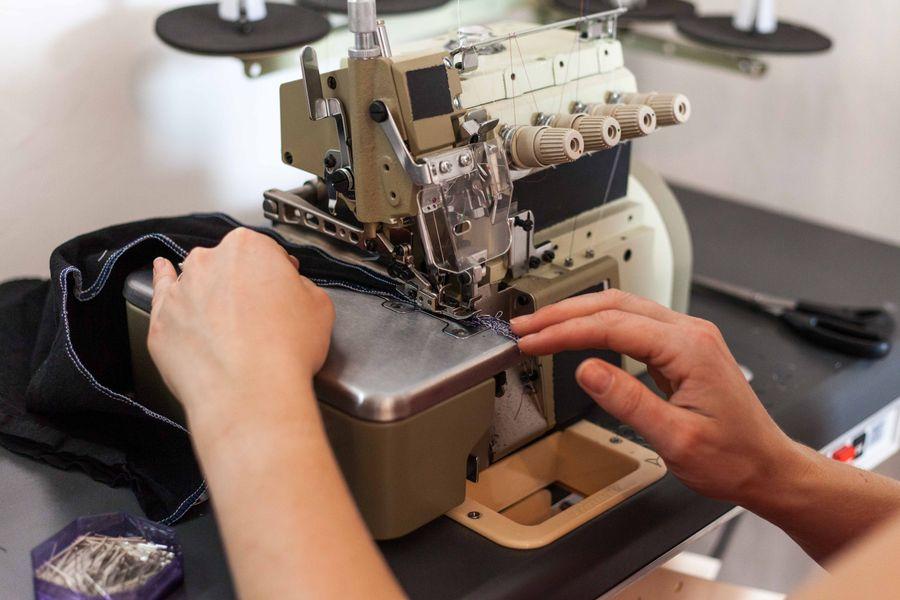
Sewing a patch on is one of the simplest machine jobs there is: you are stitching around the edge of a shape. What makes it awkward is geometry. The patch is almost always on something that is already a finished garment — a sleeve, a cap, a backpack, a scout sash, the knee of a pair of jeans — so the real question is whether you can get that part of the garment flat under the needle at all.
Our pick is the Brother CS7000X: it has a free arm for tubes, a speed slider so you can crawl around a corner, and a zigzag you can narrow to a tidy edge stitch. But the honest part comes first, because for two common kinds of patch the answer is that no machine on this page will reach.
What sewing patches actually asks of a machine
What decides whether a patch job goes well, in order.
What does not matter: stitch count, computerization, and anything described as heavy duty unless the patches are going onto denim or canvas. You will use a straight stitch and a narrow zigzag. That is the entire patch stitch library.
Best for patches overall: Brother CS7000X
The CS7000X covers the three things a patch job wants. The free arm handles sleeves and legs; the speed slider lets you cap the motor and pivot carefully at each corner rather than overshooting; and with 70 stitches you have a narrow zigzag and a blind-hem stitch you can set precisely. Ten feet come in the box, and both the automatic needle threader and the see-through drop-in bobbin matter more than they sound when you are restarting a short run of stitches repeatedly.
Who should skip it. Anyone whose patches are mostly going onto denim knees, canvas workwear or over existing thick seams. It has a light plastic shell and an ordinary foot lift, so a patch over a jeans side seam is near the limit of what it will climb. Our Brother CS7000X review has the full picture.
Best for denim and leather patches: Singer Heavy Duty 4423
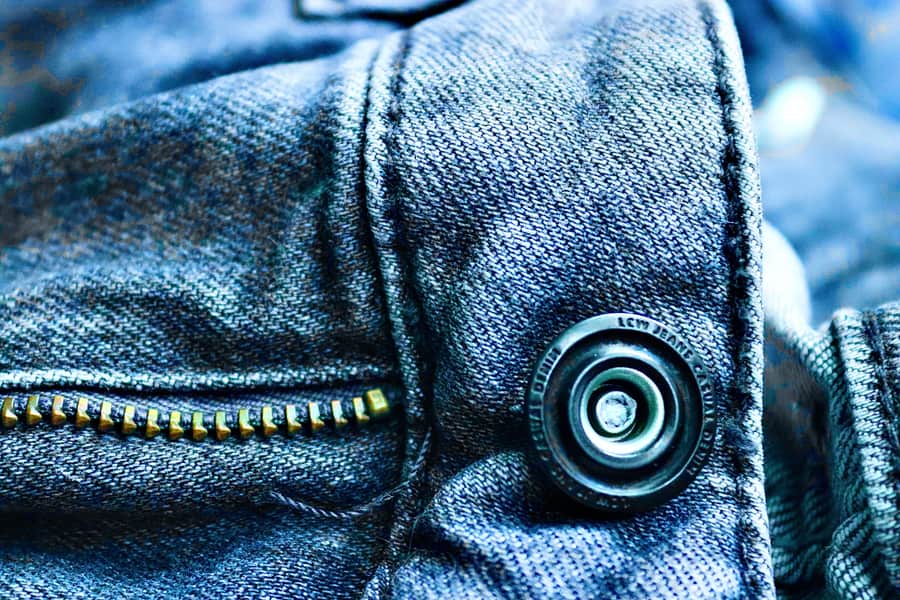
If the patches are repairs — knees, elbows, workwear, a canvas bag — the 4423 is the right tool. The extra-high presser foot lift is the feature that earns it: a patch sewn over an existing double-felled jeans seam is four to six layers thick, and getting that under the foot is the part that defeats lighter machines. A metal interior frame, a stainless steel bedplate and 1,100 stitches per minute mean it does not hesitate when it meets the thick part.
Who should skip it. Anyone doing small, neat, decorative patches. There is no speed limiter and the slowest speed is still fairly quick, which is exactly wrong for pivoting around a two-inch badge, and it is loud. For the repair context more broadly see machines for alterations and mending, and sewing machine settings for denim covers needle and stitch length for exactly this job.
Best for precise stitch control: Janome 2212
The 2212 is twelve stitches and three dials, and for patches that is a real advantage: you set the zigzag width and the stitch length by hand, you can see exactly what they are, and you can reproduce them on the next badge. It has a free arm, drop feed — useful if you prefer to tack a patch in place freehand before stitching the perimeter, and the same feature our free motion quilting roundup is built around — and a build reputation that outlasts most computerized machines.
Who should skip it. Anyone who wants help from the machine. No automatic needle threader, no drop-in bobbin, no speed limiter, and a four-step buttonhole you will not need here but will miss elsewhere. Our Janome 2212 review is straight about it.
Best if you want to make the patches: Brother SE700
This is a different proposition, and for some readers it is the actual answer. The SE700 is a competent sewing machine and a 4 x 4 inch embroidery machine in one, with 135 built-in designs, a color touchscreen and wireless design transfer — so instead of buying badges and attaching them, you stitch your own names, logos and motifs, either directly onto the garment or onto patch backing you then apply. For anyone making team, club or shop patches in small numbers, that changes the job entirely.
Who should skip it. Anyone who only needs to attach ready-made patches — the same money buys a better dedicated sewing machine, the 4 x 4 inch field is small once you start designing, and embroidery has quiet ongoing costs for stabilizer, thread and designs. It is also more machine to learn than a first-timer may want. Sewing machine vs embroidery machine is the page to read first, and our sewing and embroidery roundup covers the category properly.
Best budget pick: Brother XM2701
For a parent facing a sash of scout badges, or anyone with a jacket and a handful of patches, the XM2701 is enough machine and costs a fraction of the others. Free arm, 27 stitches including the narrow zigzag you want, automatic needle threader, drop-in bobbin, six feet, and light enough to put away between jobs.
Who should skip it. Anyone patching denim or workwear. No speed limiter, an ordinary foot lift, and a light body that shifts on thick layers — a knee patch over a seam is where you will feel all three. XM2701 vs Singer 4423 is precisely this decision, and our cheap machines roundup gives it context.
The method that works on almost any patch
The machine matters less than the sequence. Four steps, and the first one is the one people skip.
Hold it still before you sew it. Pins distort a patch and fall out of thick backing; fabric glue stick, basting stitches or a fusible web square keep the patch exactly where you placed it. Change the needle. A denim or jeans needle for most patches, because an embroidered badge has a dense woven backing a universal needle skips on. Use a narrow zigzag around the perimeter, straddling the patch edge, or a straight stitch a couple of millimeters inside it — both hold, and the zigzag also stops a woven edge fraying. Back-tack at the start and finish so the stitching cannot unravel in a wash, which our backstitching guide covers.
One warning specific to this job: if you are patching a hole rather than decorating, put something behind the hole first. Stitching a patch across an open hole pulls the edges in and makes the repair pucker — alterations and mending goes through repair order properly, and skipped stitches is the page to read if the needle is bouncing off the patch backing.
Two details that decide how the finished job looks. Pivot with the needle down at every corner — lift the foot, turn the garment, drop the foot, carry on — because turning with the needle up leaves a visible gap at each corner of the patch. And lengthen the stitch very slightly on a thick patch backing: a stitch that is too short on dense material perforates it and weakens the edge rather than holding it.
Iron-on or sewn? The honest answer is both
Most patches sold today have a heat-activated adhesive backing, and the instructions imply the iron is the whole job. For anything that will be washed, it is not.
The adhesive is genuinely useful — as a way of holding the patch exactly where you want it while you sew, which solves the hardest part of the job. What it is not is a permanent bond. Repeated washing, tumble drying and flexing lift the edges first, and a patch that has started to peel at one corner looks worse than one that was never applied. The standard approach is to iron it on for placement and then stitch the perimeter, which is why this page exists at all.
Two cases where you should skip the iron entirely. Technical and waterproof fabrics — a rain jacket, a softshell, anything with a membrane or a coating — can be damaged by the heat, so pin or glue-baste instead. Anything heavily textured or loose-weave, where the adhesive has nothing flat to bond to. And if a patch is going onto something you cannot press at all, a fabric glue stick holds perfectly well for the few minutes you need.
Scout and uniform badges, specifically
This is the most common reason people search for a patch machine, so it deserves its own paragraph. A badge sash or a uniform shirt is the easy case: flat, woven, washable cotton or poly-cotton, no thick seams, nothing technical. Any machine on this page handles it, including the budget pick, and the whole job is placement and patience rather than equipment.
Three practical notes. Check the placement chart before you sew, not after — organizations specify where each badge goes, and unpicking a badge from a sash leaves needle marks. Do the sash flat and the shirt sleeves on the free arm, taking the extension bed off for anything tubular. Match the thread to the patch border, not to the garment, so the stitching disappears into the edge of the badge. If a child is going to be doing some of this themselves, our machines for kids roundup is written for that, and the speed slider argument gets much stronger when the hands on the fabric are small.
If patches are part of something bigger
Patches often arrive alongside other work, and the shortlist shifts with it. If you are stitching your own fabric shapes rather than applying finished badges, that is appliqué and our appliqué roundup is the correct page — the satin-stitch settings it covers are a different problem from attaching a patch. If the patches are going onto bags and packs you are also making, see machines for bags and totes. If this is children’s uniform work and you want them involved, our machines for kids roundup and what age a child can use a sewing machine are the pages to read. And if the badge work is becoming a side business, machines for a small sewing business weighs duty cycle honestly.
The picks in full
01 - Best for patches overall
Brother CS7000X
Does the fiddly parts for you so you can spend your energy learning to sew.
- 70 built-in stitches, 7 one-step buttonholes
- Automatic needle threader, drop-in top bobbin
- Speed-control slider
- Wide table and 10 presser feet included
- Get it if
- You want threading, buttonholes and stitch settings handled by the machine, and you might try quilting later - the wide table is already in the box.
- Skip it if
- You want physical dials instead of a menu, or you will be sewing canvas, upholstery or leather regularly.
The trade-off
A metal internal frame inside a light plastic shell. That makes it easy to carry and quiet on cottons and mid-weights; it is not built for heavy layers every day the way a Heavy Duty is.
How the Brother CS7000X scores
Our judgment on the six axes described on the methodology page. Not measurements - we do not run a test lab.
- Setup and threading
- 9/10
- Everyday stitch quality
- 8/10
- Thick fabric
- 6/10
- Beginner features
- 9/10
- Durability reputation
- 7/10
- Help for this exact model
- 10/10
Overall 8.2/10
02 - Best for denim and leather patches
Singer Heavy Duty 4423
Fast, sturdy and simple - the machine for denim hems and tote bags.
- Metal interior frame, stainless steel bedplate
- 1,100 stitches per minute
- 23 stitches (97 stitch applications), one-step buttonhole, automatic threader
- Top drop-in bobbin with a clear cover
- Extra-high presser foot lift for thick layers
- Get it if
- You want physical dials, you plan to sew jeans, canvas or several layers, and you do not mind a machine that is loud and quick.
- Skip it if
- You mostly want gentle control on light fabrics, or a quiet machine for an apartment.
The trade-off
Heavy duty means a metal frame and a fast motor, not an industrial machine. It handles denim well; real leather is still a struggle.
$239.99 · 15% off · price as of November 22, 2026
#ad - opens Amazon in a new tab. How we earn
How the Singer Heavy Duty 4423 scores
Our judgment on the six axes described on the methodology page. Not measurements - we do not run a test lab.
- Setup and threading
- 7/10
- Everyday stitch quality
- 8/10
- Thick fabric
- 9/10
- Beginner features
- 6/10
- Durability reputation
- 8/10
- Help for this exact model
- 9/10
Overall 7.8/10
03 - Best for precise stitch control
Janome 2212
Twelve stitches, nothing to break - the classroom favorite.
- 12 stitches, dial controls, four-step buttonhole
- Drop feed for free-motion quilting
- Free arm for cuffs and sleeves
- A reputation for lasting decades
- Get it if
- You value reliability over conveniences and want a machine still working long after the computerized ones are gone.
- Skip it if
- You want an automatic threader, a one-step buttonhole or a drop-in bobbin - it has none of them.
The trade-off
Fewer conveniences, more longevity. The four-step buttonhole and front-loading bobbin are a little more work to learn.
$217.00 · 13% off · price as of November 22, 2026
#ad - opens Amazon in a new tab. How we earn
How the Janome 2212 scores
Our judgment on the six axes described on the methodology page. Not measurements - we do not run a test lab.
- Setup and threading
- 6/10
- Everyday stitch quality
- 9/10
- Thick fabric
- 7/10
- Beginner features
- 4/10
- Durability reputation
- 10/10
- Help for this exact model
- 7/10
Overall 7.6/10
04 - Best if you want to make the patches
Brother SE700
A sewing machine and a 4x4 embroidery machine in one box.
- 103 sewing stitches plus 135 built-in embroidery designs
- 4 x 4 inch embroidery field
- Color touchscreen, wireless design transfer
- Automatic threader, drop-in bobbin
- Get it if
- You want to personalize things - names, monograms, patches, small designs - as well as sew.
- Skip it if
- You mainly want to make clothes or quilts. The same money buys a better dedicated sewing machine.
The trade-off
The 4 x 4 inch embroidery field is small, and embroidery has ongoing costs - stabilizer, thread, designs. Great at what it does; not a shortcut to a better sewing machine.
$579.99 · 14% off · price as of November 22, 2026
#ad - opens Amazon in a new tab. How we earn
How the Brother SE700 scores
Our judgment on the six axes described on the methodology page. Not measurements - we do not run a test lab.
- Setup and threading
- 8/10
- Everyday stitch quality
- 8/10
- Thick fabric
- 5/10
- Beginner features
- 8/10
- Durability reputation
- 7/10
- Help for this exact model
- 8/10
Overall 7.4/10
05 - Best budget pick
Brother XM2701
The find-out-if-I-actually-like-this machine.
- 27 stitches, one-step buttonhole
- Automatic needle threader, drop-in bobbin
- 6 presser feet included
- Light enough to carry to a class
- Get it if
- You are not sure sewing will stick and you want a real, capable machine without spending what a better one costs.
- Skip it if
- You already know you will sew every week, or you want speed control and a quilting table.
The trade-off
Lightweight and basic. It does everything a beginner needs - buttonholes, zippers, hems - but you will outgrow it sooner than the CS7000X.
$149.99 · 13% off · price as of November 22, 2026
#ad - opens Amazon in a new tab. How we earn
How the Brother XM2701 scores
Our judgment on the six axes described on the methodology page. Not measurements - we do not run a test lab.
- Setup and threading
- 9/10
- Everyday stitch quality
- 7/10
- Thick fabric
- 5/10
- Beginner features
- 7/10
- Durability reputation
- 6/10
- Help for this exact model
- 9/10
Overall 7.3/10
Questions beginners actually ask
What is the best sewing machine for sewing on patches?
The Brother CS7000X. A patch job is a short perimeter with corners on a garment that is already finished, so what you need is a free arm to reach tubes like sleeves, a speed slider to pivot slowly at the corners, and an adjustable narrow zigzag for the patch edge. It has all three, plus ten feet and an automatic needle threader.
Can you sew a patch on a hat with a sewing machine?
Not with a domestic machine. The crown of a finished cap will not fit around a free arm, and the machines that do it are specialist cap-frame embroidery machines. Hand-sew a patch onto a hat, or use a heat-press backed patch. This is a limit of the format, not of any particular machine.
What stitch should I use to sew on a patch?
A narrow zigzag straddling the patch edge, or a straight stitch a couple of millimeters inside it. Both hold well; the zigzag also stops a woven edge from fraying. Back-tack at the start and finish so the stitching survives washing, and go slowly at the corners, pivoting with the needle down.
What needle do I need for sewing patches?
A denim or jeans needle for most patches. Embroidered badges have a dense woven backing that a universal needle skips on or breaks against, and patches applied to denim or canvas add more layers again. Use a leather needle for garment-weight leather, and accept that thick hide is beyond a domestic machine.
Do I need an embroidery machine to make my own patches?
Only if you want to create the designs yourself. To attach ready-made patches, any machine on this page works. If you want to stitch your own names, logos or motifs - for a team, a club or a small shop - then a combination machine such as the Brother SE700 is what changes the job, with the caveat that its embroidery field is 4 x 4 inches.
Where do the prices in the buy buttons come from?
Amazon's own product data, refreshed daily and stamped with the date. We never type a price into an article, and if the refresh stops the number is removed rather than left to go stale. What you pay is whatever Amazon shows at checkout.
Sources
- Brother (manufacturer specifications)
- Singer (manufacturer specifications)
- Janome America (manufacturer specifications)
Specifications are taken from manufacturer listings. We do not run a test lab and never claim to - how each machine is assessed is set out on our methodology page.
Read next
- Best sewing machines for monogramming
For stitching a name rather than applying a badge.
- Best sewing machines for appliqué
If you are stitching your own shapes rather than applying badges.
- Best sewing machines for alterations and mending
The wider repair context, including patching holes.
- Sewing machine settings for denim
Needle and stitch length for a patch on jeans.
- Best sewing machines for kids
If the badge work is a child's uniform and they want to help.