Best For · Best for free motion
The best sewing machines for free motion quilting
Free motion quilting has a hardware gate: the machine has to be able to lower its feed dogs. Our pick is the Brother CS7000X, because it drops them and puts the right foot in the box.
By Michael W. · Published
Disclosure: this page contains affiliate links. As an Amazon Associate, StitchStarter earns from qualifying purchases at no extra cost to you. Prices are read from Amazon daily and dated; the price you pay is the one Amazon shows at checkout. It never changes which machines we recommend. Full disclosure.
Quick picks
The short answer. Every pick is explained in full below, including who should skip it.
| # | Product | Best for | Score | Price |
|---|---|---|---|---|
| 1 | 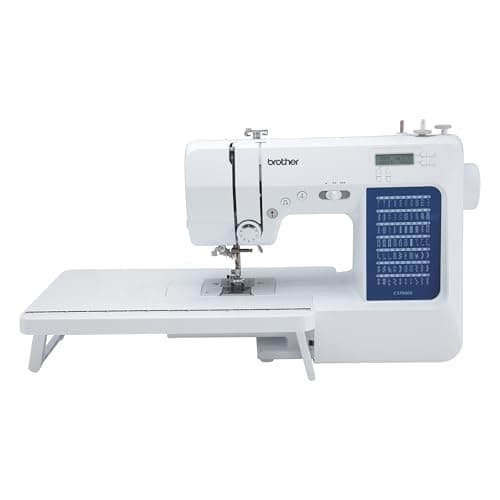 Brother CS7000XAutomatic drop feed, a free motion quilting foot in the box, the wide table, and a speed slider. | Best for free motion overall | 8.2 | |
| 2 | 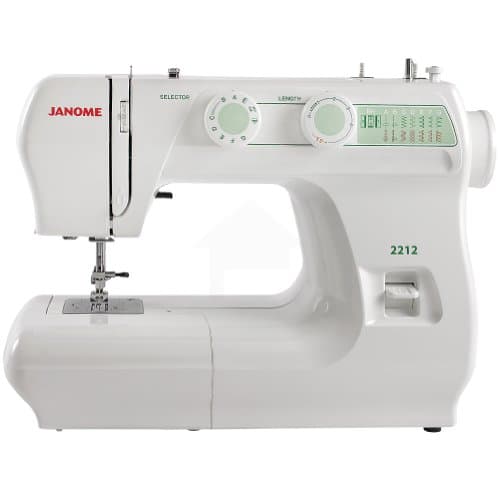 Janome 2212Drop feed and dial control, with almost nothing on it that can fail. | Best mechanical feel | 7.6 | |
| 3 | 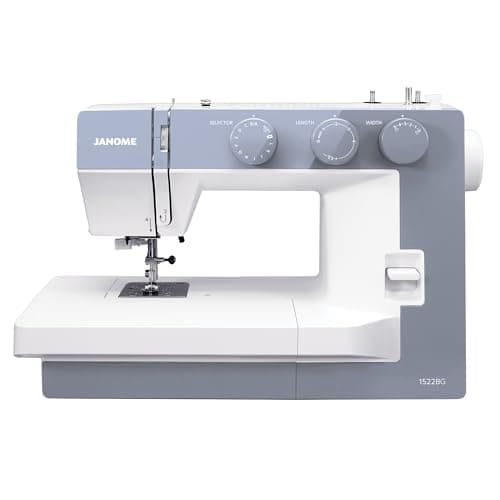 Janome 1522Drop feed plus a foot pressure dial - the adjustment that stops drag. | Best for pressure control | 7.6 | |
| 4 | 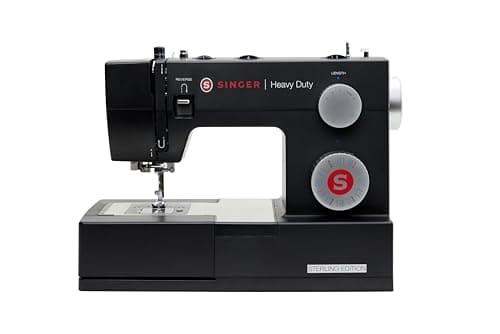 Singer Heavy Duty 4432A documented drop feed lever on a metal frame with a high foot lift. | Best for thick quilt sandwiches | 7.6 | |
| 5 | 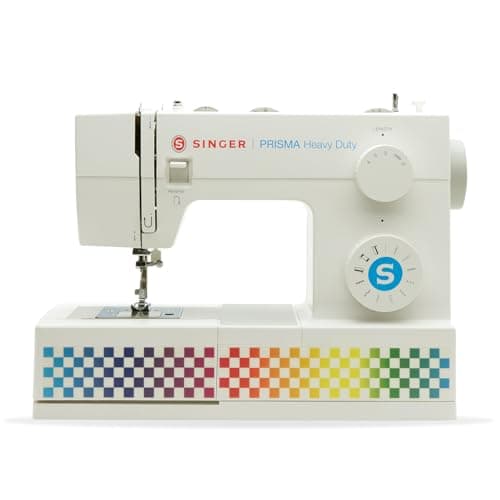 Singer Heavy Duty 4411Same frame and drop feed as the 4432, with a shorter stitch list. | Cheapest way in | 7.2 |
Prices shown are Amazon prices as of November 22, 2026 and can change.Scores are our editorial judgment on six axes, explained on the methodology page. We do not run a test lab and never claim to.
Free motion quilting is the one job on this site with a genuine hardware gate. You move the fabric; the machine must stop moving it for you. That means lowering the feed dogs — the teeth under the needle plate that normally pull fabric through at a fixed rate — and a machine that cannot lower them cannot free motion quilt, no matter how many stitches it has.
So this page is organized around that gate rather than around price or stitch count. Our pick is the Brother CS7000X: its drop feed is automatic, and Brother lists a free motion quilting foot among the ten feet in the box, which means you can start without buying anything. The live price sits inside each buy button, read from Amazon and dated, because a number typed into a paragraph is wrong within the week.
What free motion quilting actually requires
Five things, in the order that decides whether you can do it at all. The first is pass or fail; the rest are degrees of pleasant.
What free motion quilting asks of a machine, in order of how much it matters.
Notice what is absent: stitch count, computerization and “power”. Free motion quilting uses one stitch — a straight stitch — and the machine is not pushing through anything a normal seam does not already involve.
Best for free motion overall: Brother CS7000X
Brother’s own specification table lists this machine’s drop feed as automatic and describes the mechanism as allowing free motion sewing and quilting, and it lists a free motion quilting foot and a walking foot among the ten included feet. That combination is the reason it leads: the two things most people have to go and buy are already in the carton, alongside the wide table that gives the quilt somewhere to rest. Add the speed-control slider — you can cap the motor and then concentrate entirely on your hands — and it is the most forgiving machine here for learning the motion.
Who should skip it. Anyone quilting thick or king-size sandwiches regularly. It has a metal internal frame in a light plastic shell, so the body can shift when you are hauling a lot of quilt across the bed, and the throat space is ordinary. Anyone who prefers dials to a menu will also find stitch selection fussy. The longer version is in our Brother CS7000X review.
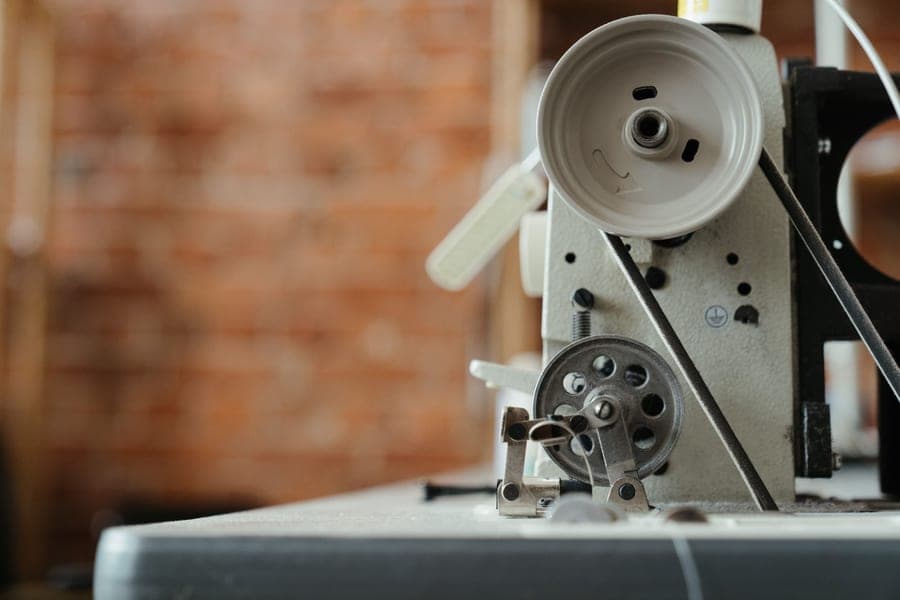
Best mechanical feel: Janome 2212
The 2212 is the machine sewing classes keep buying, and its drop feed is the reason it turns up in every free motion conversation. Twelve stitches, three dials, and close to nothing that can fail. For this job the mechanical simplicity is a real argument rather than nostalgia: you set a stitch length you can read off a dial, the machine does exactly that every time, and there is no menu between you and the setting.
Who should skip it. Anyone who wants conveniences. No automatic needle threader, no drop-in bobbin, a four-step buttonhole, and — the one that matters here — no speed limiter, so pace is entirely in your foot. You will also need to buy a darning or free motion foot separately. Our Janome 2212 review is honest about the trade, and mechanical vs computerized frames the wider decision.
Best for pressure control: Janome 1522
The 1522 is the only pick on this page with a foot pressure adjustment dial, and that is a genuinely useful thing for free motion work. A quilt sandwich is three layers thick and wants to move sideways under the foot; being able to lighten the pressure means it slides instead of dragging. You also get drop feed, 22 stitches, a one-step buttonhole, a built-in needle threader and the solid metal frame Janome is known for — nothing on it depends on a circuit board, which is why mechanical machines routinely outlive computerized ones. See our lifespan guide for that arithmetic. That same pressure dial is why the 1522 also leads our silk and delicate fabric roundup.
Who should skip it. Anyone buying on price — the 2212 is the value pick in the same line and costs considerably less. Skip it too if you want a drop-in bobbin, or if you need a machine this week: it is sold mainly as a color edition and stock comes and goes. Our Janome 1522 review covers it properly.
Best for thick quilt sandwiches: Singer Heavy Duty 4432
Singer documents a drop feed lever on the 4432 and describes it for button sewing and free motion work, which puts the Heavy Duty platform on this page legitimately. What it adds over the Janomes is muscle and lift: a full metal interior frame, a stainless steel bedplate and an extra-high presser foot lift that gets a thick, densely batted sandwich under the needle in the first place. If your quilts are heavy rather than large, this is the pick.
Who should skip it. Most people learning the motion. There is no speed limiter and the slowest speed is still fairly quick, which is the opposite of what a beginner’s hands want, and it is loud. Mechanically it is the same machine as the 4423, so you are paying for a longer stitch list you will not use here — which Singer Heavy Duty is best settles the within-line question, and alternatives to a Singer Heavy Duty covers the other ways to get a metal frame.
Cheapest way in: Singer Heavy Duty 4411
The 4411 is the budget answer, and for this specific job it gives up very little. It shares the 4432’s frame, motor, extra-high foot lift and drop feed; what it does without is stitches you will not use while free motion quilting and a one-step buttonhole you will not make. For a straight stitch with the feed dogs down, it is the same machine for less money.
Who should skip it. Anyone who wants this to be their only machine. Eleven stitches and a four-step buttonhole is a thin specification for everything else you will eventually sew, and the four-step buttonhole is the feature beginners most often wish they had paid to avoid. Amazon currently stocks it as a decorated special edition, so the machine that arrives is a standard 4411 in a non-standard color. Our Singer 4411 review says so plainly.
How big a quilt can you actually do on these?
This is the question that decides whether you will enjoy the technique, and it is usually answered badly. None of the machines on this page has generous throat space — the gap between the needle and the body of the machine, where the rolled bulk of a quilt has to live while you work. On a domestic machine of this class you are working in a space measured in inches, not feet.
In practice that means baby quilts, lap quilts, table runners, cushion panels and wall hangings are comfortable. A twin is work. A queen or king on a machine this size is a wrestling match that most people abandon halfway, and it is the single most common reason a first free motion project ends in a drawer. None of that is a defect; it is what the format is.
There are two honest ways around it, and neither involves a bigger machine. The first is to quilt in sections and join them afterwards — quilt-as-you-go — which keeps the bulk under the arm small no matter how big the finished quilt is. The second is to send the big ones out: longarm quilting services charge by the square inch and exist precisely because domestic machines stop here. Our throat space explained guide gives the measurement its proper weight, and how much space does a sewing machine need covers the table around the machine, which matters nearly as much: a quilt that hangs off the edge drags, and drag is what makes stitches uneven.
If your machine cannot lower its feed dogs
Plenty of machines, including good ones, have no drop feed at all. There is a standard workaround: a darning plate, sometimes called a feed dog cover, which is a thin plate that sits over the needle plate so the teeth cannot reach the fabric. It is cheap, it is model-specific, and it works — the feed dogs still move underneath, they just cannot grip.
Two honest caveats. A cover plate raises the fabric slightly, so the balance between your hands and the needle changes a little. And it is not supplied with every machine, so check your own accessory list rather than assuming — our what comes with a sewing machine guide explains how to read one, and how to find your manual is the fastest route to the definitive answer for your model.
What to buy besides the machine
Free motion quilting is a technique where a small amount of kit changes the result more than an upgrade would, so this is where we would spend the end of a budget.
The right foot, if your machine did not include one — a free motion, darning or hopping foot for your specific brand and shank. Quilting gloves or finger grips, because the whole technique is gripping and moving fabric smoothly and bare fingers slip. A slider mat for the bed of the machine, which reduces the friction that makes your stitches uneven. Fresh needles, since a quilting or topstitch needle in the right size prevents most skipped stitches — see needle sizes explained. And practice sandwiches: two scraps and a square of batting. Nobody has ever free motion quilted well on their first attempt, and doing it on the real quilt is how a project gets abandoned. Our presser feet explained guide covers which feet are worth owning.
Where this sits against our other quilting pages
This page answers one technique question. If you are earlier in the decision, two other pages are better starting points. Our quilting beginners roundup is for choosing a first quilting machine at all, where the wide table and throat space matter more than the feed dogs. Our quilting and clothes roundup is for the much more common case of one machine doing both jobs, where buttonholes and stretch stitches come back into the argument. And if you are not sure a quilting machine is a separate category at all, do you need a special sewing machine for quilting is the honest answer, as is throat space explained on the measurement people worry about most.
For a specific project rather than a technique, t-shirt quilts is the page where drop feed is a nice-to-have rather than the gate, and quilting machines under $300 is this shortlist with a hard ceiling on it.
The picks in full
01 - Best for free motion overall
Brother CS7000X
Does the fiddly parts for you so you can spend your energy learning to sew.
- 70 built-in stitches, 7 one-step buttonholes
- Automatic needle threader, drop-in top bobbin
- Speed-control slider
- Wide table and 10 presser feet included
- Get it if
- You want threading, buttonholes and stitch settings handled by the machine, and you might try quilting later - the wide table is already in the box.
- Skip it if
- You want physical dials instead of a menu, or you will be sewing canvas, upholstery or leather regularly.
The trade-off
A metal internal frame inside a light plastic shell. That makes it easy to carry and quiet on cottons and mid-weights; it is not built for heavy layers every day the way a Heavy Duty is.
How the Brother CS7000X scores
Our judgment on the six axes described on the methodology page. Not measurements - we do not run a test lab.
- Setup and threading
- 9/10
- Everyday stitch quality
- 8/10
- Thick fabric
- 6/10
- Beginner features
- 9/10
- Durability reputation
- 7/10
- Help for this exact model
- 10/10
Overall 8.2/10
02 - Best mechanical feel
Janome 2212
Twelve stitches, nothing to break - the classroom favorite.
- 12 stitches, dial controls, four-step buttonhole
- Drop feed for free-motion quilting
- Free arm for cuffs and sleeves
- A reputation for lasting decades
- Get it if
- You value reliability over conveniences and want a machine still working long after the computerized ones are gone.
- Skip it if
- You want an automatic threader, a one-step buttonhole or a drop-in bobbin - it has none of them.
The trade-off
Fewer conveniences, more longevity. The four-step buttonhole and front-loading bobbin are a little more work to learn.
$217.00 · 13% off · price as of November 22, 2026
#ad - opens Amazon in a new tab. How we earn
How the Janome 2212 scores
Our judgment on the six axes described on the methodology page. Not measurements - we do not run a test lab.
- Setup and threading
- 6/10
- Everyday stitch quality
- 9/10
- Thick fabric
- 7/10
- Beginner features
- 4/10
- Durability reputation
- 10/10
- Help for this exact model
- 7/10
Overall 7.6/10
03 - Best for pressure control
Janome 1522
A step up the mechanical ladder - more stitches, same build.
- 22 built-in stitches
- One-step buttonhole
- Built-in needle threader
- Drop feed, 3-piece feed dog, foot pressure adjustment dial
- Solid metal frame in the Janome tradition
- Get it if
- You like what the 2212 stands for but want a one-step buttonhole, a needle threader and a wider stitch range.
- Skip it if
- You are buying on price - the 2212 is the value pick in the line - or you want a drop-in bobbin.
The trade-off
You pay a clear premium over the 2212, and what you get for it is convenience rather than a better seam: the buttonhole, the threader and the extra stitches. Whether that is worth it depends on how many buttonholes you expect to sew.
How the Janome 1522 scores
Our judgment on the six axes described on the methodology page. Not measurements - we do not run a test lab.
- Setup and threading
- 8/10
- Everyday stitch quality
- 9/10
- Thick fabric
- 7/10
- Beginner features
- 7/10
- Durability reputation
- 10/10
- Help for this exact model
- 6/10
Overall 7.6/10
04 - Best for thick quilt sandwiches
Singer Heavy Duty 4432
The middle Heavy Duty - more stitches than the 4423, same bones.
- 32 built-in stitches (110 stitch applications), one-step buttonhole
- 1,100 stitches per minute
- Full metal interior frame, top drop-in bobbin
- Automatic needle threader, drop feed
- Get it if
- You want the Heavy Duty platform and will genuinely use stretch and decorative stitches.
- Skip it if
- You would only ever use straight and zigzag - the 4423 covers that for less.
The trade-off
It sews identically to the 4423. The stitch library is the whole difference, and most owners settle on four or five stitches within a month.
How the Singer Heavy Duty 4432 scores
Our judgment on the six axes described on the methodology page. Not measurements - we do not run a test lab.
- Setup and threading
- 7/10
- Everyday stitch quality
- 8/10
- Thick fabric
- 9/10
- Beginner features
- 6/10
- Durability reputation
- 8/10
- Help for this exact model
- 8/10
Overall 7.6/10
05 - Cheapest way in
Singer Heavy Duty 4411
The entry point to the Heavy Duty line - same frame, fewer stitches.
- 11 built-in stitches (69 stitch applications), four-step buttonhole
- 1,100 stitches per minute
- Metal interior frame, stainless steel bedplate
- Adjustable stitch length and width, drop feed
- Extra-high presser foot lift
- Get it if
- You want the Heavy Duty frame and motor for straight seams and hems, and you will rarely make a buttonhole.
- Skip it if
- You want a one-step buttonhole - the 4423 adds one for a small step up.
The trade-off
The four-step buttonhole is the real difference, and it is the feature beginners most often wish they had paid for. Amazon currently stocks the 4411 only as a decorated special edition, so the machine you receive is the standard 4411 in a non-standard color.
$219.99 · 15% off · price as of November 22, 2026
#ad - opens Amazon in a new tab. How we earn
How the Singer Heavy Duty 4411 scores
Our judgment on the six axes described on the methodology page. Not measurements - we do not run a test lab.
- Setup and threading
- 7/10
- Everyday stitch quality
- 8/10
- Thick fabric
- 9/10
- Beginner features
- 4/10
- Durability reputation
- 8/10
- Help for this exact model
- 8/10
Overall 7.2/10
Questions beginners actually ask
What is the best sewing machine for free motion quilting?
The Brother CS7000X. Brother lists its drop feed as automatic and includes a free motion quilting foot among the ten feet in the box, so you can start without buying an accessory, and the speed-control slider lets you cap the motor while you learn the hand motion. The wide table is included too, which gives the quilt somewhere to rest.
Can you free motion quilt on a regular sewing machine?
Yes, provided the machine can stop feeding the fabric. That means either a drop feed setting that lowers the feed dogs, or a darning plate that covers them. You also need a free motion or darning foot, which hops rather than clamping the fabric flat. Beyond those two things, a standard domestic machine does the job.
Do I need a stitch regulator for free motion quilting?
No, and you will not find one at this price. A stitch regulator senses how fast you move the fabric and adjusts machine speed to keep stitch length even; it appears on dealer machines costing several times the top of the beginner market. None of the machines on this page has one. Even stitches here come from practice and from a steady machine speed you set yourself.
What is drop feed on a sewing machine?
Drop feed means the feed dogs - the teeth under the needle plate that normally pull fabric through at a fixed rate - can be lowered out of the way. It is usually a small lever at the back or base of the machine, and on some computerized machines it is a setting. It is the pass/fail requirement for free motion quilting and for darning.
What foot do I need for free motion quilting?
A free motion foot, also sold as a darning or hopping foot. Instead of holding the fabric flat it springs up and down, gripping only at the moment the needle enters, so you can move the quilt freely between stitches. Feet are brand and shank specific, so buy for your model rather than generically.
Where do the prices in the buy buttons come from?
Amazon's own product data, refreshed daily and stamped with the date. We never type a price into an article, and if the refresh stops the number is removed rather than left to go stale. What you pay is whatever Amazon shows at checkout.
Sources
- Brother USA - CS7000X specifications and carton contents
- Singer (manufacturer specifications)
- Janome America (manufacturer specifications)
Specifications are taken from manufacturer listings. We do not run a test lab and never claim to - how each machine is assessed is set out on our methodology page.
Read next
- Best sewing machines for quilting beginners
The page to start from if you are choosing a first quilting machine.
- Sewing machine throat space explained
The measurement that decides how much quilt you can wrestle.
- Sewing machine presser feet explained
Including the darning foot this technique needs.
- Best sewing machines for quilting and clothes
For the much more common case of one machine doing both.