Best For · Best for alterations
The best sewing machines for alterations and mending
Repair work asks for different things than making something new. Mostly it asks for reach, lift and patience.
By Michael W. · Published
Disclosure: this page contains affiliate links. As an Amazon Associate, StitchStarter earns from qualifying purchases at no extra cost to you. We do not display prices - they change daily, so every button opens the live listing. It never changes which machines we recommend. Full disclosure.
Quick picks
The short answer. Every pick is explained in full below, including who should skip it.
| # | Product | Best for | Score | Price |
|---|---|---|---|---|
| 1 | 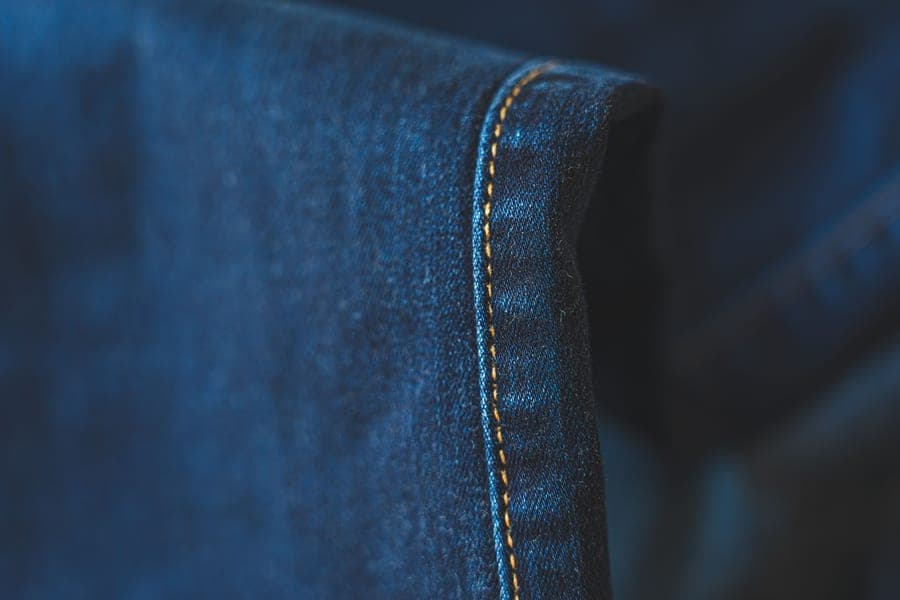 Singer Heavy Duty 4423High presser foot lift and a metal frame - the two things repairs need. Singer Heavy Duty 4423High presser foot lift and a metal frame - the two things repairs need. | Best overall for alterations | 7.8 | |
| 2 | 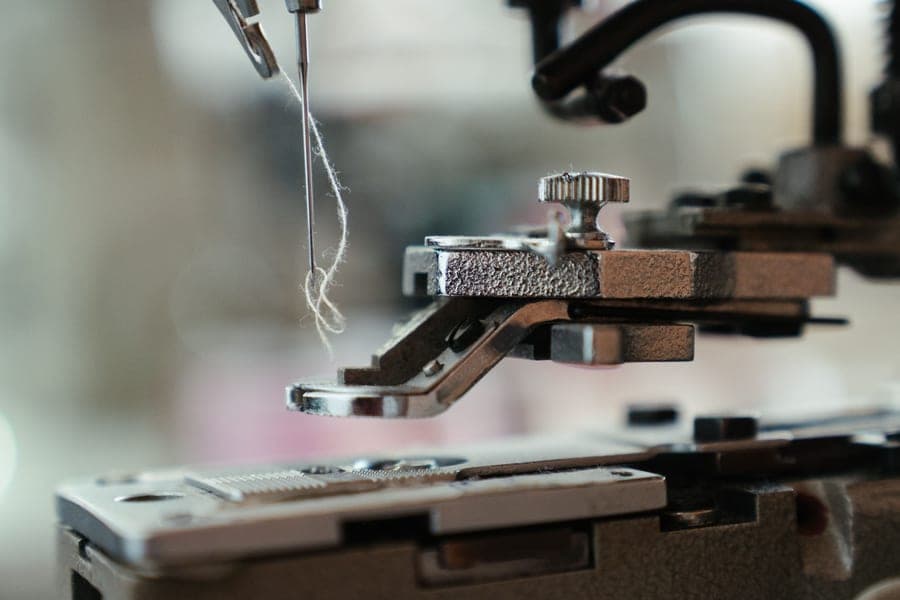 Brother CS7000XSlow speed and a free arm, for work you cannot afford to rush. Brother CS7000XSlow speed and a free arm, for work you cannot afford to rush. | Best for delicate alterations | 8.2 | |
| 3 |  Brother XM2701Does hems, zips and patches on normal clothes without fuss. Brother XM2701Does hems, zips and patches on normal clothes without fuss. | Best cheap repair machine | 7.3 | |
| 4 |  Janome 2212The drop feed lets you patch a hole by moving the fabric yourself. Janome 2212The drop feed lets you patch a hole by moving the fabric yourself. | Best for darning and free-motion repair | 7.6 |
Scores are our editorial judgment on six axes, explained on the methodology page. We do not run a test lab and never claim to.
For alterations and mending, buy the Singer Heavy Duty 4423. Repair work is dominated by two problems - getting thick folded fabric under the needle, and sewing through it without the machine skidding - and the 4423’s extra-high presser foot lift and metal interior frame are aimed squarely at both. If your repairs are mostly on light clothing rather than jeans, the Brother CS7000X is the gentler and easier machine.
Why repair is harder than making
When you make a garment you control everything. The fabric is flat, the pieces are cut, and you sew the seam before the thing becomes three-dimensional. When you alter a garment, all of that has already happened to you.
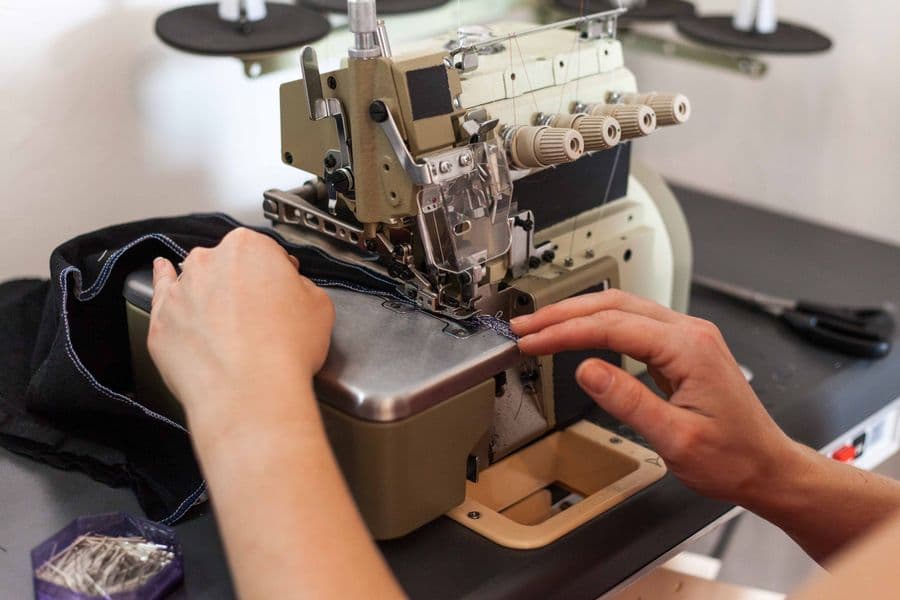
A jean hem is a tube. Taking in a side seam means sewing inside a tube. A patch goes on a knee, which is in the middle of a leg. The seam you are re-sewing crosses four other seams, each of them a hard lump of folded denim and topstitch thread. Nothing lies flat and nothing is where you would like it to be.
That is why the spec sheet features that matter for repair are unglamorous ones: how high the presser foot lifts, how narrow the free arm is, and how slowly the machine will agree to go.
What alterations actually need
A high presser foot lift. Four layers of folded denim at a hem crossing is physically thick. If the foot does not lift far enough you cannot get the work under the needle at all, and forcing it bends the needle. The Singer Heavy Duty line advertises an extra-high lift for exactly this reason, and it is the feature you notice first when you have been without it.
A free arm. The free arm is what you get when you take the flat extension table off: a narrow spindle you can slide a trouser leg or a sleeve over. Every machine on this page has one. Narrower is better, and a cuff is the test case.
A machine that will go slowly. Repairs are mostly short seams where the start and finish matter more than the middle. The CS7000X’s speed slider lets you hold the pedal down and still crawl, which is worth more on a two-inch seam than any amount of top speed.
Something to handle the hole. Patching a worn knee or darning a thin spot means stitching back and forth over an area rather than along a line. That needs the feed dogs lowered so you can move the fabric yourself - a drop feed - which the Janome 2212 has and most machines at its level do not.
Which one for which job
Manufacturer-published features, read against the four jobs repairs actually consist of.
The honest summary is that no single machine on this list is best at all four. If you had to pick on one job alone: jean hems point at the 4423, zips and taking-in point at the CS7000X, and patching points at the Janome.
Who should skip these
If you want to run a paid alterations service, none of these are the right machine. They are beginner machines, they are not built for eight hours a day, and a used industrial straight-stitch machine would serve you better and cost less. We do not cover those - this site is for first-time buyers.
If the repairs you have in mind are heavy canvas, upholstery or leather, see our heavy fabric roundup first, and read the limits section honestly. “Heavy duty” on a domestic machine means a metal frame, not an industrial motor.
The picks in full
01 - Best overall for alterations
Singer Heavy Duty 4423
Fast, sturdy and simple - the machine for denim hems and tote bags.
- Metal interior frame, stainless steel bedplate
- 1,100 stitches per minute
- 23 stitches, one-step buttonhole, automatic threader
- Extra-high presser foot lift for thick layers
- Get it if
- You want physical dials, you plan to sew jeans, canvas or several layers, and you do not mind a machine that is loud and quick.
- Skip it if
- You mostly want gentle control on light fabrics, or a quiet machine for an apartment.
The trade-off
Heavy duty means a metal frame and a fast motor, not an industrial machine. It handles denim well; real leather is still a struggle.
#ad - opens Amazon in a new tab. How we earn
How the Singer Heavy Duty 4423 scores
Our judgment on the six axes described on the methodology page. Not measurements - we do not run a test lab.
- Setup and threading
- 7/10
- Everyday stitch quality
- 8/10
- Thick fabric
- 9/10
- Beginner features
- 6/10
- Durability reputation
- 8/10
- Help for this exact model
- 9/10
Overall 7.8/10
02 - Best for delicate alterations
Brother CS7000X
Does the fiddly parts for you so you can spend your energy learning to sew.
- 70 built-in stitches, 7 one-step buttonholes
- Automatic needle threader, drop-in top bobbin
- Speed-control slider
- Wide table and 10 presser feet included
- Get it if
- You want threading, buttonholes and stitch settings handled by the machine, and you might try quilting later - the wide table is already in the box.
- Skip it if
- You want physical dials instead of a menu, or you will be sewing canvas, upholstery or leather regularly.
The trade-off
Light and mostly plastic. That makes it easy to carry and quiet on cottons and mid-weights; it is not built for heavy layers every day.
#ad - opens Amazon in a new tab. How we earn
How the Brother CS7000X scores
Our judgment on the six axes described on the methodology page. Not measurements - we do not run a test lab.
- Setup and threading
- 9/10
- Everyday stitch quality
- 8/10
- Thick fabric
- 6/10
- Beginner features
- 9/10
- Durability reputation
- 7/10
- Help for this exact model
- 10/10
Overall 8.2/10
03 - Best cheap repair machine
Brother XM2701
The find-out-if-I-actually-like-this machine.
- 27 stitches, one-step buttonhole
- Automatic needle threader, drop-in bobbin
- 6 presser feet included
- Light enough to carry to a class
- Get it if
- You are not sure sewing will stick and you want a real, capable machine without spending what a better one costs.
- Skip it if
- You already know you will sew every week, or you want speed control and a quilting table.
The trade-off
Lightweight and basic. It does everything a beginner needs - buttonholes, zippers, hems - but you will outgrow it sooner than the CS7000X.
#ad - opens Amazon in a new tab. How we earn
How the Brother XM2701 scores
Our judgment on the six axes described on the methodology page. Not measurements - we do not run a test lab.
- Setup and threading
- 9/10
- Everyday stitch quality
- 7/10
- Thick fabric
- 5/10
- Beginner features
- 7/10
- Durability reputation
- 6/10
- Help for this exact model
- 9/10
Overall 7.3/10
04 - Best for darning and free-motion repair
Janome 2212
Twelve stitches, nothing to break - the classroom favorite.
- 12 stitches, dial controls, four-step buttonhole
- Drop feed for free-motion quilting
- Free arm for cuffs and sleeves
- A reputation for lasting decades
- Get it if
- You value reliability over conveniences and want a machine still working long after the computerized ones are gone.
- Skip it if
- You want an automatic threader, a one-step buttonhole or a drop-in bobbin - it has none of them.
The trade-off
Fewer conveniences, more longevity. The four-step buttonhole and front-loading bobbin are a little more work to learn.
#ad - opens Amazon in a new tab. How we earn
How the Janome 2212 scores
Our judgment on the six axes described on the methodology page. Not measurements - we do not run a test lab.
- Setup and threading
- 6/10
- Everyday stitch quality
- 9/10
- Thick fabric
- 7/10
- Beginner features
- 4/10
- Durability reputation
- 10/10
- Help for this exact model
- 7/10
Overall 7.6/10
Questions beginners actually ask
What is the best sewing machine for alterations?
The Singer Heavy Duty 4423. Its extra-high presser foot lift gets thick folded hems under the needle and its metal interior frame keeps it steady while they go through. Choose the Brother CS7000X instead if your alterations are mostly on light clothing, where slow speed control matters more than brute ability.
Can a beginner machine hem jeans?
Yes, with the right needle. A size 16 denim needle and a slow, deliberate pass will get most beginner machines through a jean hem. What separates the machines is the crossing point where two folded hems meet - a metal-framed machine takes it in its stride, a light plastic one needs help and may skip a stitch.
What sewing machine is best for mending clothes?
For everyday mending on normal clothing, the Brother XM2701 is enough machine and the cheapest sensible option. If mending means patching worn knees and darning thin spots, the Janome 2212's drop feed lets you move the fabric freely, which is how patching is actually done.
Do I need a special foot for alterations?
Not to start, but two are worth having early. A zipper foot lets you stitch close to the zip teeth, and a walking foot stops layers shifting on thick hems. Both are inexpensive and both remove a specific, repeated frustration.
Is a sewing machine worth it just for repairs?
If repairs come up monthly, yes - the machine pays for itself against a tailor quickly and a repaired garment is a garment you keep. If it is twice a year, hemming tape and a hand needle will serve you better than a machine that sits unused and seizes up.
Sources
Specifications are taken from manufacturer listings. We do not run a test lab and never claim to - how each machine is assessed is set out on our methodology page.
Read next
- Best sewing machines for home use
The broader household picture, if repairs are only part of it.
- Best sewing machines for denim and heavy fabric
- Sewing machine needle sizes
The cheapest fix for most alteration problems.
- Do you need a heavy-duty sewing machine?