Best For · Best for kids
The best sewing machines for kids and teens
The most common mistake is buying a toy. The second is buying a machine a motivated teenager outgrows in a month.
By Michael W. · Published
Disclosure: this page contains affiliate links. As an Amazon Associate, StitchStarter earns from qualifying purchases at no extra cost to you. We do not display prices - they change daily, so every button opens the live listing. It never changes which machines we recommend. Full disclosure.
Quick picks
The short answer. Every pick is explained in full below, including who should skip it.
| # | Product | Best for | Score | Price |
|---|---|---|---|---|
| 1 | 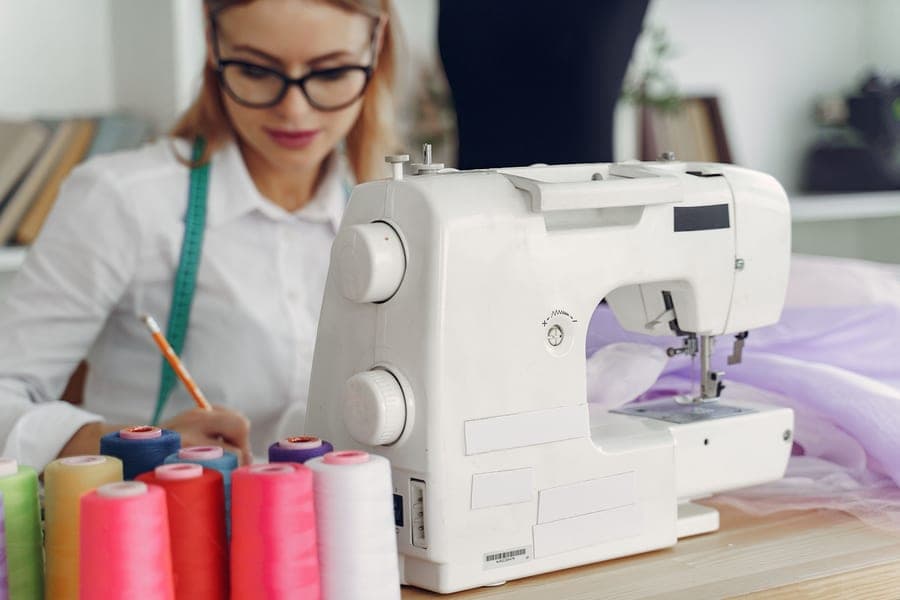 Singer Start 1304Preset stitches, very light, little to set wrong. Singer Start 1304Preset stitches, very light, little to set wrong. | Best for younger children | 6.1 | |
| 2 | 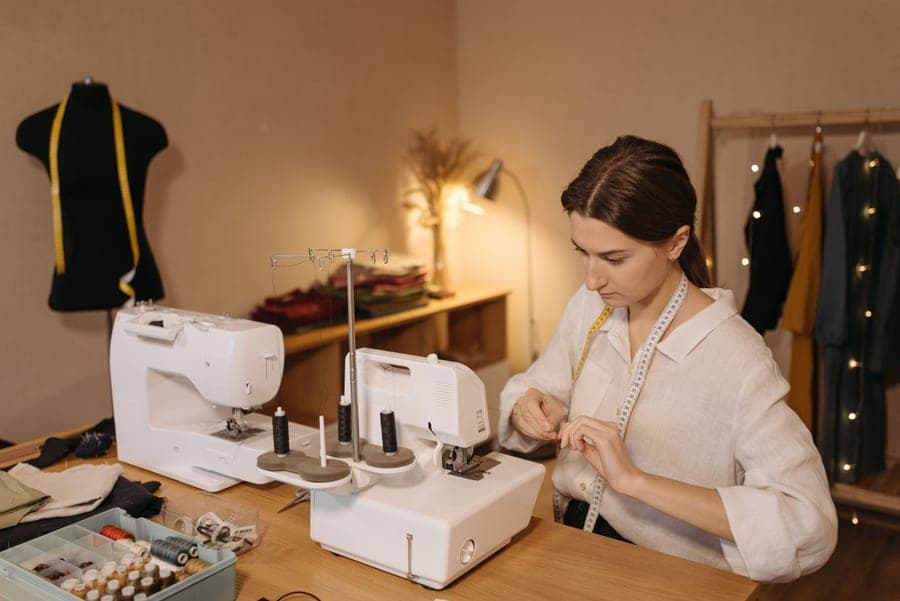 Brother XM2701A real machine a motivated teenager will not outgrow. Brother XM2701A real machine a motivated teenager will not outgrow. | Best for teenagers | 7.3 | |
| 3 | 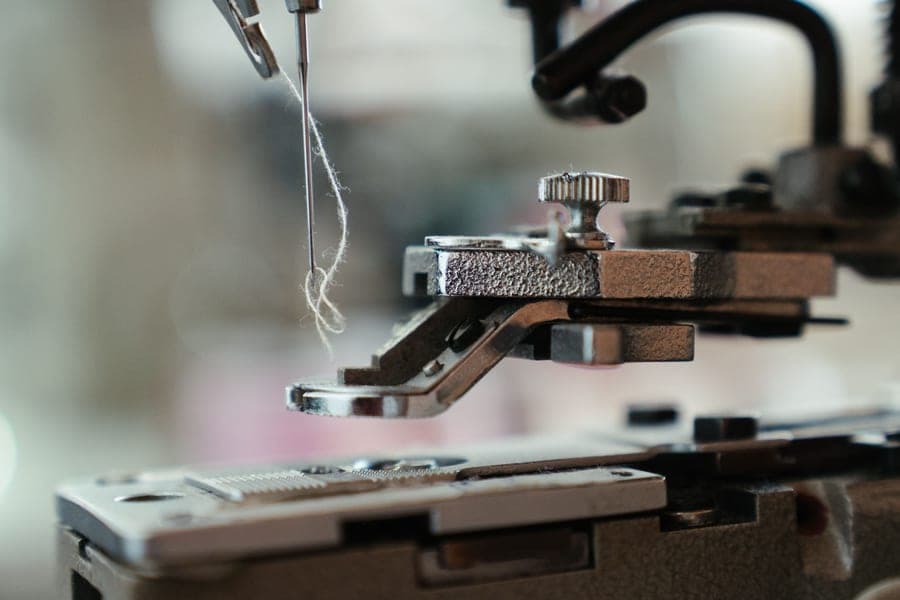 Brother CS7000XSpeed slider - the best safety feature on any beginner machine. Brother CS7000XSpeed slider - the best safety feature on any beginner machine. | Best if they are serious | 8.2 |
Scores are our editorial judgment on six axes, explained on the methodology page. We do not run a test lab and never claim to.
Two mistakes dominate this category, and they pull in opposite directions.
The first is buying a toy sewing machine - the palm-sized plastic ones with a battery compartment. They skip stitches, jam on two layers of cotton and teach a child that they are bad at sewing. They are the most reliable way to end an interest before it starts.
The second is buying the simplest possible real machine for a teenager who actually asked for one. A motivated fourteen-year-old hits the ceiling of a six-stitch machine within a month, and the frustration lands on the hobby.
What actually matters for a young sewer
Speed control. The most useful safety feature on any sewing machine is a slider that caps the top speed, because a child's foot on a pedal is not a precision instrument. The CS7000X has one; most cheap machines do not.
Weight. Light enough to carry to the table and back to the cupboard without help, or the machine stays in the cupboard.
Few decisions. Preset stitch widths and lengths remove most of the ways a first project goes wrong, which is why the Singer Start 1304 suits younger children well.
A finger guard and a needle you can see. Every machine here has a standard presser foot area; none is a toy. Supervision is not optional at any age.
Which machine by age
The picks in full
01 - Best for younger children
Singer Start 1304
Six stitches, preset widths, almost nothing to get wrong.
- 6 built-in stitches with preset width and length
- Four-step buttonhole
- Very light - easy for a child or a small workspace
- Free arm for cuffs and sleeves
- Get it if
- You are buying for a child or a teenager, or you want the smallest possible number of decisions between you and a straight seam.
- Skip it if
- You expect to sew garments regularly, or you want an automatic threader and a one-step buttonhole.
The trade-off
Preset stitches remove the settings that confuse beginners - and also remove the settings you need as soon as you sew anything unusual. This is a machine you will outgrow, on purpose.
#ad - opens Amazon in a new tab. How we earn
How the Singer Start 1304 scores
Our judgment on the six axes described on the methodology page. Not measurements - we do not run a test lab.
- Setup and threading
- 8/10
- Everyday stitch quality
- 6/10
- Thick fabric
- 3/10
- Beginner features
- 5/10
- Durability reputation
- 5/10
- Help for this exact model
- 7/10
Overall 6.1/10
02 - Best for teenagers
Brother XM2701
The find-out-if-I-actually-like-this machine.
- 27 stitches, one-step buttonhole
- Automatic needle threader, drop-in bobbin
- 6 presser feet included
- Light enough to carry to a class
- Get it if
- You are not sure sewing will stick and you want a real, capable machine without spending what a better one costs.
- Skip it if
- You already know you will sew every week, or you want speed control and a quilting table.
The trade-off
Lightweight and basic. It does everything a beginner needs - buttonholes, zippers, hems - but you will outgrow it sooner than the CS7000X.
#ad - opens Amazon in a new tab. How we earn
How the Brother XM2701 scores
Our judgment on the six axes described on the methodology page. Not measurements - we do not run a test lab.
- Setup and threading
- 9/10
- Everyday stitch quality
- 7/10
- Thick fabric
- 5/10
- Beginner features
- 7/10
- Durability reputation
- 6/10
- Help for this exact model
- 9/10
Overall 7.3/10
03 - Best if they are serious
Brother CS7000X
Does the fiddly parts for you so you can spend your energy learning to sew.
- 70 built-in stitches, 7 one-step buttonholes
- Automatic needle threader, drop-in top bobbin
- Speed-control slider
- Wide table and 10 presser feet included
- Get it if
- You want threading, buttonholes and stitch settings handled by the machine, and you might try quilting later - the wide table is already in the box.
- Skip it if
- You want physical dials instead of a menu, or you will be sewing canvas, upholstery or leather regularly.
The trade-off
Light and mostly plastic. That makes it easy to carry and quiet on cottons and mid-weights; it is not built for heavy layers every day.
#ad - opens Amazon in a new tab. How we earn
How the Brother CS7000X scores
Our judgment on the six axes described on the methodology page. Not measurements - we do not run a test lab.
- Setup and threading
- 9/10
- Everyday stitch quality
- 8/10
- Thick fabric
- 6/10
- Beginner features
- 9/10
- Durability reputation
- 7/10
- Help for this exact model
- 10/10
Overall 8.2/10
Questions beginners actually ask
What is the best sewing machine for a child?
The Singer Start 1304 for younger children: six preset stitches, very light, and genuinely hard to set up wrong. For a teenager who has asked for a machine, the Brother XM2701 is better - they will outgrow a six-stitch machine within a month.
Are toy sewing machines any good?
No. The battery-powered palm-sized machines skip stitches and jam on two layers of cotton, which teaches a child that they are bad at sewing. If the budget will not stretch to a real machine, a demonstrated secondhand mechanical machine is a far better option.
What age can a child start using a sewing machine?
Around eight with close supervision is common, though it depends entirely on the child. Every machine on this page is a real machine with a real needle, so an adult should be within arm's reach regardless of age.
Is speed control important for a child's sewing machine?
It is the most useful safety feature available. A slider that caps the top speed means a foot pressed flat on the pedal still produces a slow, controllable stitch. The Brother CS7000X has one; most cheap machines do not.
Sources
Specifications are taken from manufacturer listings. We do not run a test lab and never claim to - how each machine is assessed is set out on our methodology page.