Best For · Best for a small business
The best sewing machines for a small sewing business
A household machine can earn money. What breaks first is not the machine - it is the hours you spend doing by hand what a better feature would do for you.
By Michael W. · Published
Disclosure: this page contains affiliate links. As an Amazon Associate, StitchStarter earns from qualifying purchases at no extra cost to you. Prices are read from Amazon daily and dated; the price you pay is the one Amazon shows at checkout. It never changes which machines we recommend. Full disclosure.
Quick picks
The short answer. Every pick is explained in full below, including who should skip it.
| # | Product | Best for | Score | Price |
|---|---|---|---|---|
| 1 | 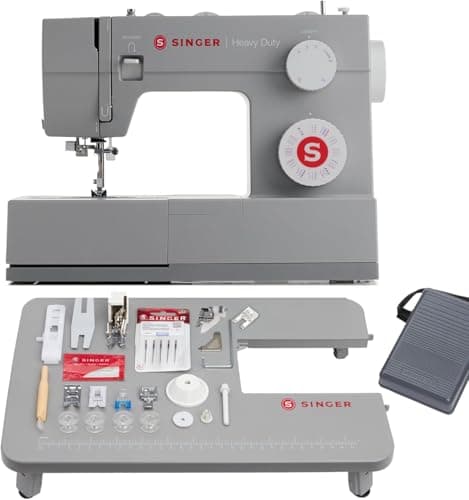 Singer Heavy Duty 4452Heavy-duty frame, 1,100 stitches a minute, walking foot in the box. Singer Heavy Duty 4452Heavy-duty frame, 1,100 stitches a minute, walking foot in the box. | Best for paid alterations | 7.7 | |
| 2 | 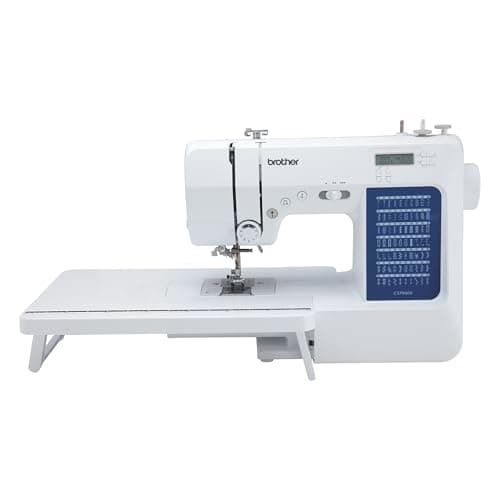 Brother CS7000XRepeatable settings, a wide table, and quiet enough for evening work. Brother CS7000XRepeatable settings, a wide table, and quiet enough for evening work. | Best for a handmade product line | 8.2 | |
| 3 | 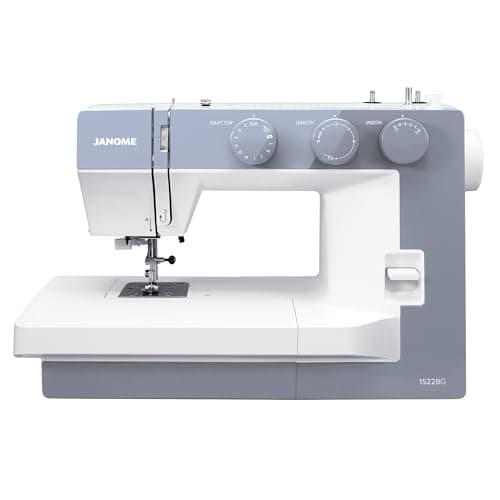 Janome 1522Janome build with a one-step buttonhole and a needle threader. Janome 1522Janome build with a one-step buttonhole and a needle threader. | Best if downtime is the enemy | 7.6 | |
| 4 | 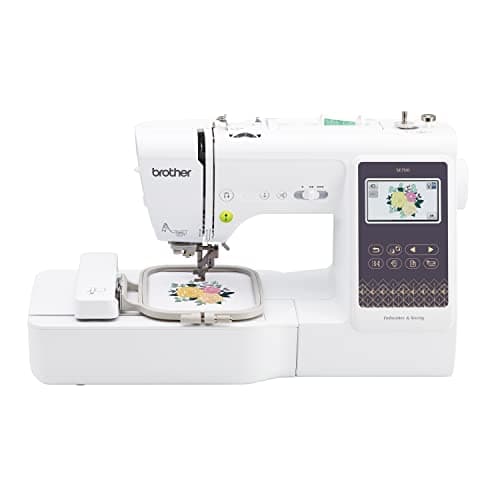 Brother SE700Monograms and names, which is where the margin usually is. Brother SE700Monograms and names, which is where the margin usually is. | Best for personalized products | 7.4 |
Prices shown are Amazon prices as of October 10, 2026 and can change.Scores are our editorial judgment on six axes, explained on the methodology page. We do not run a test lab and never claim to.
For paid alterations and repairs, the best machine here is the Singer Heavy Duty 4452: a metal interior frame, 1,100 stitches a minute, an extra-high presser foot lift for jeans hems, and the walking foot and extension table already in the accessory box. For making and selling your own products - bags, baby goods, home textiles - the Brother CS7000X is the better machine, because repeatable settings and a wide table matter more than raw power.
The sentence that has to come next: these are household machines. They will support a side business, and they are not industrial machines. An industrial has a separate motor, one stitch, a dedicated table and a duty cycle measured in years of eight-hour days. If you are already sewing forty hours a week for customers, you are past this page.
What actually changes when you sew for money
Not the stitch quality. Three other things.
Repeatability becomes the point. Hobby sewing is one of each. Paid sewing is twelve of the same, and the machine that remembers its settings beats the machine you have to re-dial. This is the strongest argument for a computerized machine in a business, and it is close to the opposite of the advice we give a hobby beginner.
Minutes have a price. A four-step buttonhole costs you roughly ninety seconds and a one-step costs you fifteen. Do thirty buttonholes a week and the cheaper machine has quietly become the expensive one. The same is true of a needle threader, a drop-in bobbin and a thread cutter.
Downtime costs money. A hobbyist with a broken machine loses a weekend. A business with a broken machine loses orders. That makes a widely-stocked, widely-serviced model worth more than a slightly better obscure one, and it is why a second cheap machine as backup is often a smarter purchase than one better machine.
The four, side by side
Specifications as published by each manufacturer.
Read the thick fabric column against the work you are actually being paid for. Alterations means hemming jeans, and jeans are where light machines stop. Handmade products usually means cotton, canvas and interfacing, which any of these will do.
If the business is alterations and repairs
Hems, taken-in seams, replaced zippers, patched workwear. The work arrives thick, and it arrives with a deadline.
You want the Heavy Duty platform - the 4423 or the 4452 - for the frame and the foot lift, and you want a walking foot for the layers. Our alterations roundup goes deeper into the specific jobs, and how to hem pants covers the one task that pays most of the bills.
The honest caution is noise. The Heavy Duty line is loud and has no speed limiter, which is a non-issue in a workshop and a real issue at a kitchen table in a shared building. Our quiet machine roundup is the alternative if that is your constraint.
If the business is making and selling products
Totes, pouches, aprons, bibs, cushion covers. The fabric is mostly cooperative; what matters is throughput and consistency.
The CS7000X is the pick: the wide table supports a bag panel, the drop-in bobbin shows how much thread is left before you start a batch, and you select a stitch by number rather than remembering a dial position. Our bag and tote roundup is the fuller version of this answer.
Where the margin usually comes from is personalization - a name, a date, a monogram - and that is the argument for the Brother SE700. Weigh it against the consumables honestly: stabilizer, embroidery thread and digitized designs are real costs per item, and the 4 x 4 inch field caps what you can offer. Our sewing vs embroidery guide sets that out.
When a household machine is the wrong tool
Three signals. You are sewing more than about twenty hours a week on one machine. You are sewing material a domestic machine was never built for - upholstery hide, webbing for load-bearing straps, multiple layers of canvas all day. Or your bottleneck is sewing speed itself rather than cutting and finishing.
At that point the answer is a straight-stitch industrial on its own table, plus a domestic machine kept for buttonholes and zigzag. That is not a machine this site covers, and pretending a Heavy Duty is the same thing would cost you a motor. Our how long a sewing machine lasts guide explains what duty cycle means in practice.
Who should skip these four
Anyone not yet earning. Buy the machine for the sewing you do today. Our how to choose guide and how much to spend are the right starting point; a business machine bought on optimism is the most common expensive mistake in this hobby.
Anyone selling knitwear. Stretch seams sold to customers want a serger, and that is a second machine - see do you need a serger.
The picks in full
01 - Best for paid alterations
Singer Heavy Duty 4452
The 4423 with a bigger accessory kit, including a walking foot.
- 32 built-in stitches (110 stitch applications), one-step buttonhole
- 1,100 stitches per minute
- Full metal interior frame, top drop-in bobbin
- Larger accessory set, including an even-feed walking foot
- Slide-on extension table for larger projects
- Get it if
- You already know you want the Heavy Duty platform and you would otherwise buy a walking foot and an extension table separately.
- Skip it if
- You are only guessing that you might sew heavy fabric - start with the 4423.
The trade-off
Mechanically it is the same machine as the 4423. You are buying accessories, so the only question is whether you will use them.
How the Singer Heavy Duty 4452 scores
Our judgment on the six axes described on the methodology page. Not measurements - we do not run a test lab.
- Setup and threading
- 7/10
- Everyday stitch quality
- 8/10
- Thick fabric
- 9/10
- Beginner features
- 6/10
- Durability reputation
- 8/10
- Help for this exact model
- 8/10
Overall 7.7/10
02 - Best for a handmade product line
Brother CS7000X
Does the fiddly parts for you so you can spend your energy learning to sew.
- 70 built-in stitches, 7 one-step buttonholes
- Automatic needle threader, drop-in top bobbin
- Speed-control slider
- Wide table and 10 presser feet included
- Get it if
- You want threading, buttonholes and stitch settings handled by the machine, and you might try quilting later - the wide table is already in the box.
- Skip it if
- You want physical dials instead of a menu, or you will be sewing canvas, upholstery or leather regularly.
The trade-off
A metal internal frame inside a light plastic shell. That makes it easy to carry and quiet on cottons and mid-weights; it is not built for heavy layers every day the way a Heavy Duty is.
$279.99 · 11% off · price as of October 10, 2026
#ad - opens Amazon in a new tab. How we earn
How the Brother CS7000X scores
Our judgment on the six axes described on the methodology page. Not measurements - we do not run a test lab.
- Setup and threading
- 9/10
- Everyday stitch quality
- 8/10
- Thick fabric
- 6/10
- Beginner features
- 9/10
- Durability reputation
- 7/10
- Help for this exact model
- 10/10
Overall 8.2/10
03 - Best if downtime is the enemy
Janome 1522
A step up the mechanical ladder - more stitches, same build.
- 22 built-in stitches
- One-step buttonhole
- Built-in needle threader
- Drop feed, extra-high presser foot lift, LED lighting
- Solid metal frame in the Janome tradition
- Get it if
- You like what the 2212 stands for but want a one-step buttonhole, a needle threader and a wider stitch range.
- Skip it if
- You are buying on price - the 2212 is the value pick in the line - or you want a drop-in bobbin.
The trade-off
You pay a clear premium over the 2212, and what you get for it is convenience rather than a better seam: the buttonhole, the threader and the extra stitches. Whether that is worth it depends on how many buttonholes you expect to sew.
$299.99 · 16% off · price as of October 10, 2026
#ad - opens Amazon in a new tab. How we earn
How the Janome 1522 scores
Our judgment on the six axes described on the methodology page. Not measurements - we do not run a test lab.
- Setup and threading
- 8/10
- Everyday stitch quality
- 9/10
- Thick fabric
- 7/10
- Beginner features
- 7/10
- Durability reputation
- 10/10
- Help for this exact model
- 6/10
Overall 7.6/10
04 - Best for personalized products
Brother SE700
A sewing machine and a 4x4 embroidery machine in one box.
- 103 sewing stitches plus 135 built-in embroidery designs
- 4 x 4 inch embroidery field
- Color touchscreen, wireless design transfer
- Automatic threader, drop-in bobbin
- Get it if
- You want to personalize things - names, monograms, patches, small designs - as well as sew.
- Skip it if
- You mainly want to make clothes or quilts. The same money buys a better dedicated sewing machine.
The trade-off
The 4 x 4 inch embroidery field is small, and embroidery has ongoing costs - stabilizer, thread, designs. Great at what it does; not a shortcut to a better sewing machine.
How the Brother SE700 scores
Our judgment on the six axes described on the methodology page. Not measurements - we do not run a test lab.
- Setup and threading
- 8/10
- Everyday stitch quality
- 8/10
- Thick fabric
- 5/10
- Beginner features
- 8/10
- Durability reputation
- 7/10
- Help for this exact model
- 8/10
Overall 7.4/10
Questions beginners actually ask
Can you run a small sewing business on a household sewing machine?
Yes, for a side business. A metal-framed machine like the Singer Heavy Duty 4452 handles paid alterations, and a computerized machine like the Brother CS7000X suits handmade products. What a household machine will not do is sustain forty-hour production weeks - that is an industrial machine's job.
What is the best sewing machine for paid alterations?
The Singer Heavy Duty 4452. Alterations arrive thick - jeans hems, workwear patches, replaced zippers - and it has the metal interior frame, the extra-high presser foot lift and the even-feed walking foot that the work needs, included in the box.
Do I need an industrial sewing machine to sew for money?
Not at first. You need one when you are sewing more than roughly twenty hours a week on one machine, when sewing speed rather than cutting is your bottleneck, or when the material is beyond a domestic machine - upholstery hide, load-bearing webbing, all-day canvas.
Is a computerized or mechanical machine better for a sewing business?
Computerized, usually - close to the opposite of our advice to hobby beginners. Paid work is repetition, and a machine that recalls a stitch by number is faster and more consistent than one you have to re-dial. Mechanical still wins where the fabric is thick, because the frame matters more.
Does a sewing machine warranty cover business use?
Household machine warranties are generally written for domestic use and commonly exclude commercial use. It rarely comes up at side-business scale, but read the terms before assuming a repair would be covered.
Should I buy one good machine or two cheap ones for a business?
If downtime loses you orders, two machines beats one better machine. A second machine - even a basic one - means a broken needle plate or a service visit does not stop the work. Widely stocked models are also faster to get serviced.
Sources
Specifications are taken from manufacturer listings. We do not run a test lab and never claim to - how each machine is assessed is set out on our methodology page.
Read next
- Best sewing machines for alterations and mending
The work that pays most of the bills, in detail.
- Best sewing machines for bags and totes
- How long does a sewing machine last?
- Sewing machine warranties explained