Best For · Best for delicate fabric
The best sewing machines for silk and delicate fabric
Fine fabric does not need a powerful machine. It needs a slow one with controls you can set precisely - and a needle most people never think to change.
By Michael W. · Published
Disclosure: this page contains affiliate links. As an Amazon Associate, StitchStarter earns from qualifying purchases at no extra cost to you. Prices are read from Amazon daily and dated; the price you pay is the one Amazon shows at checkout. It never changes which machines we recommend. Full disclosure.
Quick picks
The short answer. Every pick is explained in full below, including who should skip it.
| # | Product | Best for | Score | Price |
|---|---|---|---|---|
| 1 | 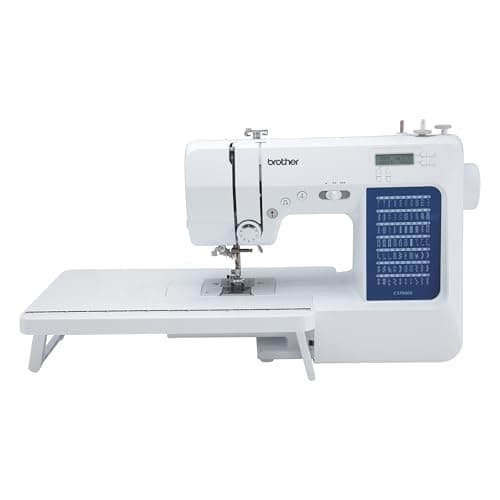 Brother CS7000XThe speed slider is the single most useful control on fine fabric. | Best for delicate fabric overall | 8.2 | |
| 2 | 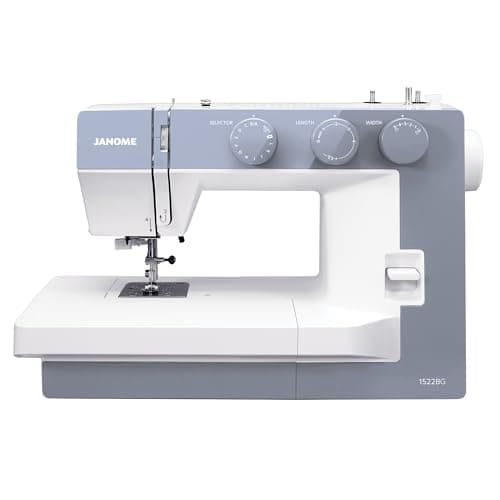 Janome 1522A foot pressure dial, which is the adjustment chiffon actually wants. | Best for pressure control | 7.6 | |
| 3 | 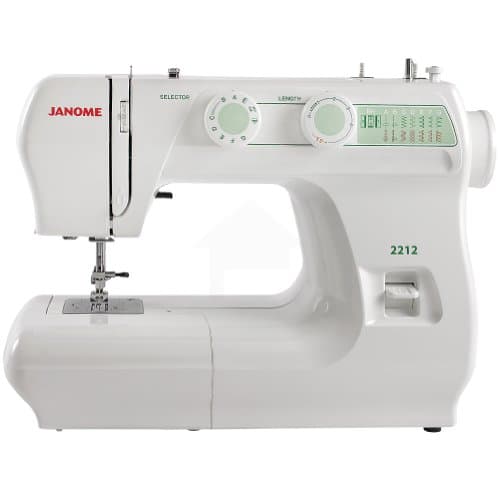 Janome 2212Dials you can set to a fine stitch length and repeat exactly. | Best for precise stitch settings | 7.6 | |
| 4 | 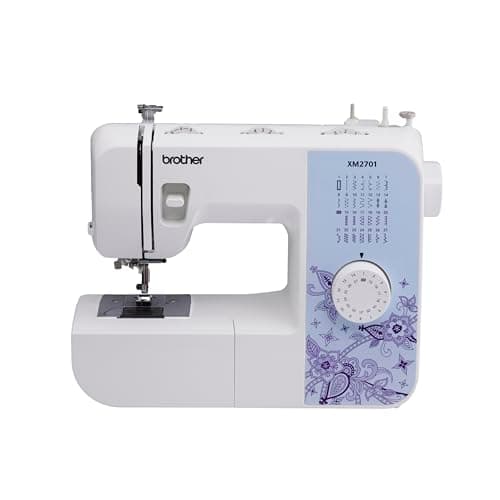 Brother XM2701Light, simple, and perfectly capable on silk with the right needle. | Best budget pick | 7.3 |
Prices shown are Amazon prices as of November 22, 2026 and can change.Scores are our editorial judgment on six axes, explained on the methodology page. We do not run a test lab and never claim to.
Almost everything written about sewing machines assumes the problem is fabric that is too thick. Silk, chiffon, voile, batiste and fine rayon present the opposite problem, and it defeats more beginners than denim ever does. Nothing tears, nothing stalls — the seam just puckers, the fabric slips sideways, the needle leaves visible holes, and the finished thing looks homemade in the way nobody wants.
None of that is about power. Our pick is the Brother CS7000X, and the reason is the speed-control slider: on fine fabric the ability to sew genuinely slowly is worth more than every other feature combined. But read the next section first, because the cheapest fix on this page is not a machine at all.
The three controls that decide a seam on fine fabric
We ranked these machines on what fine fabric actually reacts to. In order:
What silk and other fine fabrics ask of a machine.
What did not earn credit: stitch count, motor speed, metal frames and anything described as heavy duty. A heavy-duty machine is actively the wrong instinct here — a fast motor with no speed limiter is the hardest possible thing to steer on silk, which is why no Heavy Duty appears among these picks. Our do you need a heavy-duty sewing machine guide covers that mismatch, and quiet machines for beginners overlaps here, because the gentle machines tend to be the quiet ones.
Best for delicate fabric overall: Brother CS7000X
The speed slider is why this wins. You set a ceiling and the motor will not exceed it however hard you press, which means you can creep along a bias edge in chiffon with both hands free to support the fabric instead of modulating a pedal. Everything else helps too: 70 stitches including fine utility options, seven one-step buttonholes for the blouse this fabric usually becomes, a drop-in bobbin you can see through, an automatic needle threader for thread too fine to aim, and ten feet in the box — among them a blind-hem foot, which is what a silk hem wants.
Who should skip it. Anyone who would rather have dials than a menu, and anyone who wants to adjust presser foot pressure, which this machine does not offer. If your work is almost entirely sheer, the 1522 below has the control the CS7000X lacks. Our Brother CS7000X review is the longer version.
Best for pressure control: Janome 1522
The 1522 has a foot pressure adjustment dial, and on sheer fabric that is the adjustment that matters most after speed. Presser foot pressure is how hard the foot holds the fabric against the feed dogs; set for cotton, it stretches and polishes anything finer as it passes. Being able to lighten it is the difference between a flat seam in voile and a wavy one. You also get 22 stitches, a one-step buttonhole, a built-in needle threader, drop feed and the solid metal frame Janome built its reputation on, which keeps the machine from walking as you guide fabric with almost no resistance.
Who should skip it. Anyone on a budget, because the 2212 covers most of the same ground for considerably less, and anyone who wants a speed limiter — the 1522 has none, so pace lives in your foot. Stock also comes and goes because it is sold mainly as a color edition. Our Janome 1522 review has the detail, and the free motion quilting roundup is the other page where that pressure dial earns its keep.
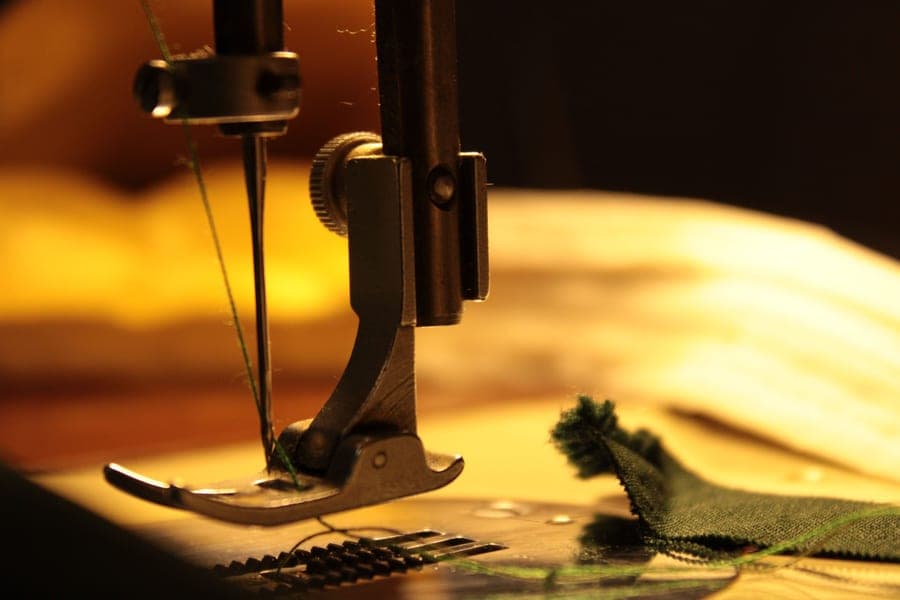
Best for precise stitch settings: Janome 2212
Twelve stitches, three dials, and nothing between you and the setting. For fine fabric the appeal is repeatability: you dial in a short stitch length, you can see exactly what it is, and the machine gives you the same thing on the next seam and the one after. It has a free arm for cuffs and sleeves, drop feed, and the Janome build reputation — it is the machine sewing classes keep buying, which is its own kind of evidence.
Who should skip it. Anyone who wants the conveniences. No automatic needle threader — and threading a fine thread by eye is a real annoyance — no drop-in bobbin, a four-step buttonhole that takes practice, and no speed limiter. Our Janome 2212 review is honest about all four.
Best budget pick: Brother XM2701
If silk is an occasional project rather than your main interest, the XM2701 does the job for a fraction of the money. It has the same automatic needle threader and drop-in bobbin as machines costing far more, 27 stitches, a one-step buttonhole, six feet in the box and a free arm, and it is light enough to carry to a class. With a fine needle and a short stitch it sews silk perfectly acceptably, which is the honest finding: on fine fabric the machine is rarely the limiting factor.
Who should skip it. Anyone doing a lot of sheer work. There is no speed limiter and no pressure adjustment, so the two controls that matter most here are both absent, and the plastic body is light enough to shift if you hold the fabric taut. Our cheap machines roundup puts it in context, and CS7000X vs XM2701 is the decision if the slider is what you are weighing.
There is one more tool that outranks every machine on this page for fine fabric, and it is the iron. Silk and chiffon are shaped by pressing far more than by stitching: a seam pressed open as you go lies flat and stays flat, and a hem pressed twice before it is stitched is what makes the finished edge straight. A warm iron, a press cloth so the fabric does not shine, and the patience to press after every seam will improve your results more than any upgrade in this bracket.
“Delicate” covers four different problems
It is worth separating them, because they do not all misbehave the same way and the machine setting that fixes one does not fix another.
The fine fabrics beginners ask about, and what each one does on a machine.
The pattern across all four: the fixes are technique and consumables, not horsepower. That is the honest reason this page does not recommend spending more — a more expensive machine does not sew chiffon better, it just has more features you are not using while you sew chiffon.
What to buy for fine fabric, in order
If you have a machine already and the seams are not what you want, spend here before you spend on a machine. The whole list costs a fraction of any pick on this page.
Fine sharp or microtex needles in 60/8 and 70/10, and change them often — a needle dulls faster than people expect and fine fabric shows it first. Fine thread. All-purpose polyester in a standard weight is heavier than silk needs; a finer thread makes a flatter seam. Fine silk pins or small clips, because ordinary pins leave holes in silk that do not close up. Tissue paper or a wash-away stabilizer, laid under the seam line and torn away afterwards — the oldest trick for chiffon, and the most effective single thing on this list. A walking foot, if slipping layers are your main complaint, since it feeds top and bottom at the same rate. And sharp scissors or a rotary cutter, because a ragged cut edge on a fraying fabric makes every later step harder. Our presser feet explained guide covers which feet earn their place, and what thread to use covers weights properly.
The four things that actually ruin a silk seam
Worth naming, because three of the four are free to fix and none of them is the machine’s fault.
The wrong needle. Covered above, and it is the first thing to change. Too much speed. Fine fabric gives you no time to correct; slow down before you adjust anything else. Too few pins, or the wrong ones. Fine silk shifts constantly, and thick pins leave holes — use fine silk pins, densely, or baste the seam first. Tension set for cotton. Fine thread in fine fabric usually wants slightly looser top tension, and our tension guide works through how to test it on a scrap rather than on the garment. If the stitches are skipping rather than puckering, that is a needle problem nine times out of ten — skipped stitches covers it.
One more, for completeness: a needle plate with a large oval hole lets fine fabric get pushed down into it at the start of a seam. Some machines offer a straight-stitch plate with a small round hole, which is the proper fix. If yours does not, start the seam half an inch in and sew backwards to the edge, or hold the thread tails taut as you begin.
The hem is where fine fabric defeats people
Seams on silk are manageable. Hems are where a project goes wrong, because a hem on sheer fabric is a narrow fold you are trying to hold straight while it slips, and any waviness shows along the whole length of the finished edge.
Three approaches, in ascending order of how much the machine helps. A narrow double-fold hem, pressed twice and stitched close to the fold, works on any machine on this page and is what most patterns assume. A rolled hem foot, if your machine takes one, curls the fabric into a tiny hem as it feeds, which is faster and far more even once you have practiced on a scrap — it is the single most satisfying accessory in this category. A blind hem stitch with the blind-hem foot, which the CS7000X includes, gives a hem that barely shows from the right side and is the usual answer on a lined garment. Our presser feet explained guide covers both feet, and how to hem with a sewing machine walks the method, though on silk take every step slower than it says.
If fine fabric is not all you sew
Most people who sew silk also sew other things, and the picks shift accordingly. If you are making blouses and dresses more broadly, our machines for making clothes roundup ranks the same machines against garment construction. If the fine fabric is stretchy rather than woven — jersey, fine knit, swimwear — that is a different job and knits and stretchy fabric is the right page. And if the appeal of fine fabric is that it is quiet, careful work, our easiest fabrics to sew guide is honest that silk is not where a beginner should start — cotton first, then this.
The picks in full
01 - Best for delicate fabric overall
Brother CS7000X
Does the fiddly parts for you so you can spend your energy learning to sew.
- 70 built-in stitches, 7 one-step buttonholes
- Automatic needle threader, drop-in top bobbin
- Speed-control slider
- Wide table and 10 presser feet included
- Get it if
- You want threading, buttonholes and stitch settings handled by the machine, and you might try quilting later - the wide table is already in the box.
- Skip it if
- You want physical dials instead of a menu, or you will be sewing canvas, upholstery or leather regularly.
The trade-off
A metal internal frame inside a light plastic shell. That makes it easy to carry and quiet on cottons and mid-weights; it is not built for heavy layers every day the way a Heavy Duty is.
How the Brother CS7000X scores
Our judgment on the six axes described on the methodology page. Not measurements - we do not run a test lab.
- Setup and threading
- 9/10
- Everyday stitch quality
- 8/10
- Thick fabric
- 6/10
- Beginner features
- 9/10
- Durability reputation
- 7/10
- Help for this exact model
- 10/10
Overall 8.2/10
02 - Best for pressure control
Janome 1522
A step up the mechanical ladder - more stitches, same build.
- 22 built-in stitches
- One-step buttonhole
- Built-in needle threader
- Drop feed, 3-piece feed dog, foot pressure adjustment dial
- Solid metal frame in the Janome tradition
- Get it if
- You like what the 2212 stands for but want a one-step buttonhole, a needle threader and a wider stitch range.
- Skip it if
- You are buying on price - the 2212 is the value pick in the line - or you want a drop-in bobbin.
The trade-off
You pay a clear premium over the 2212, and what you get for it is convenience rather than a better seam: the buttonhole, the threader and the extra stitches. Whether that is worth it depends on how many buttonholes you expect to sew.
How the Janome 1522 scores
Our judgment on the six axes described on the methodology page. Not measurements - we do not run a test lab.
- Setup and threading
- 8/10
- Everyday stitch quality
- 9/10
- Thick fabric
- 7/10
- Beginner features
- 7/10
- Durability reputation
- 10/10
- Help for this exact model
- 6/10
Overall 7.6/10
03 - Best for precise stitch settings
Janome 2212
Twelve stitches, nothing to break - the classroom favorite.
- 12 stitches, dial controls, four-step buttonhole
- Drop feed for free-motion quilting
- Free arm for cuffs and sleeves
- A reputation for lasting decades
- Get it if
- You value reliability over conveniences and want a machine still working long after the computerized ones are gone.
- Skip it if
- You want an automatic threader, a one-step buttonhole or a drop-in bobbin - it has none of them.
The trade-off
Fewer conveniences, more longevity. The four-step buttonhole and front-loading bobbin are a little more work to learn.
$217.00 · 13% off · price as of November 22, 2026
#ad - opens Amazon in a new tab. How we earn
How the Janome 2212 scores
Our judgment on the six axes described on the methodology page. Not measurements - we do not run a test lab.
- Setup and threading
- 6/10
- Everyday stitch quality
- 9/10
- Thick fabric
- 7/10
- Beginner features
- 4/10
- Durability reputation
- 10/10
- Help for this exact model
- 7/10
Overall 7.6/10
04 - Best budget pick
Brother XM2701
The find-out-if-I-actually-like-this machine.
- 27 stitches, one-step buttonhole
- Automatic needle threader, drop-in bobbin
- 6 presser feet included
- Light enough to carry to a class
- Get it if
- You are not sure sewing will stick and you want a real, capable machine without spending what a better one costs.
- Skip it if
- You already know you will sew every week, or you want speed control and a quilting table.
The trade-off
Lightweight and basic. It does everything a beginner needs - buttonholes, zippers, hems - but you will outgrow it sooner than the CS7000X.
$149.99 · 13% off · price as of November 22, 2026
#ad - opens Amazon in a new tab. How we earn
How the Brother XM2701 scores
Our judgment on the six axes described on the methodology page. Not measurements - we do not run a test lab.
- Setup and threading
- 9/10
- Everyday stitch quality
- 7/10
- Thick fabric
- 5/10
- Beginner features
- 7/10
- Durability reputation
- 6/10
- Help for this exact model
- 9/10
Overall 7.3/10
Questions beginners actually ask
What is the best sewing machine for silk?
The Brother CS7000X, because of its speed-control slider. On fine fabric the ability to sew genuinely slowly matters more than any other feature, since puckering and slipping happen faster than you can react. It also includes a blind-hem foot, an automatic needle threader for fine thread and a see-through drop-in bobbin.
Can a regular sewing machine sew silk and chiffon?
Yes. Fine fabric needs control rather than power, so almost any domestic machine will do it well with three changes: a fine sharp or microtex needle in size 60/8 or 70/10, a shorter stitch length, and a slower sewing speed. The needle is the single biggest factor and the cheapest to fix.
Why does my silk seam pucker?
Usually one of four things, in this order: a needle that is too heavy or blunt for the fabric, sewing too fast, too few pins so the layers shift, or tension and presser foot pressure still set for cotton. Test on a scrap of the same fabric and change one variable at a time rather than adjusting tension first.
Do I need adjustable presser foot pressure for delicate fabric?
It helps, and it is why the Janome 1522 is on this page. Presser foot pressure controls how hard the foot presses fabric onto the feed dogs; pressure set for cotton can stretch and polish anything finer. If your machine does not offer the adjustment, slowing down and shortening the stitch gets you most of the way.
Is a heavy duty machine good for silk?
No - it is the wrong instinct. Heavy duty describes a metal frame and a fast motor, and a fast motor with no speed limiter is the hardest thing to control on fine fabric. The machines that suit silk are the gentle, slow, precisely adjustable ones, which is why no Heavy Duty model appears among these picks.
Where do the prices in the buy buttons come from?
Amazon's own product data, refreshed daily and stamped with the date. We never type a price into an article, and if the refresh stops the number is removed rather than left to go stale. What you pay is whatever Amazon shows at checkout.
Sources
- Brother (manufacturer specifications)
- Janome America (manufacturer specifications)
- Singer (manufacturer specifications)
Specifications are taken from manufacturer listings. We do not run a test lab and never claim to - how each machine is assessed is set out on our methodology page.
Read next
- Sewing machine settings for thin and delicate fabric
The settings half of this question, step by step.
- Sewing machine needle sizes explained
The cheapest fix for a puckered silk seam.
- Best sewing machines for making clothes
If blouses and dresses are the wider plan.
- Best quiet sewing machines for beginners
The gentle machines are usually the quiet ones.