Best For · Best for garments
The best sewing machines for making clothes
Garment sewing is the use case that most rewards the right features - and punishes the wrong machine.
By Michael W. · Published
Disclosure: this page contains affiliate links. As an Amazon Associate, StitchStarter earns from qualifying purchases at no extra cost to you. We do not display prices - they change daily, so every button opens the live listing. It never changes which machines we recommend. Full disclosure.
Quick picks
The short answer. Every pick is explained in full below, including who should skip it.
| # | Product | Best for | Score | Price |
|---|---|---|---|---|
| 1 | 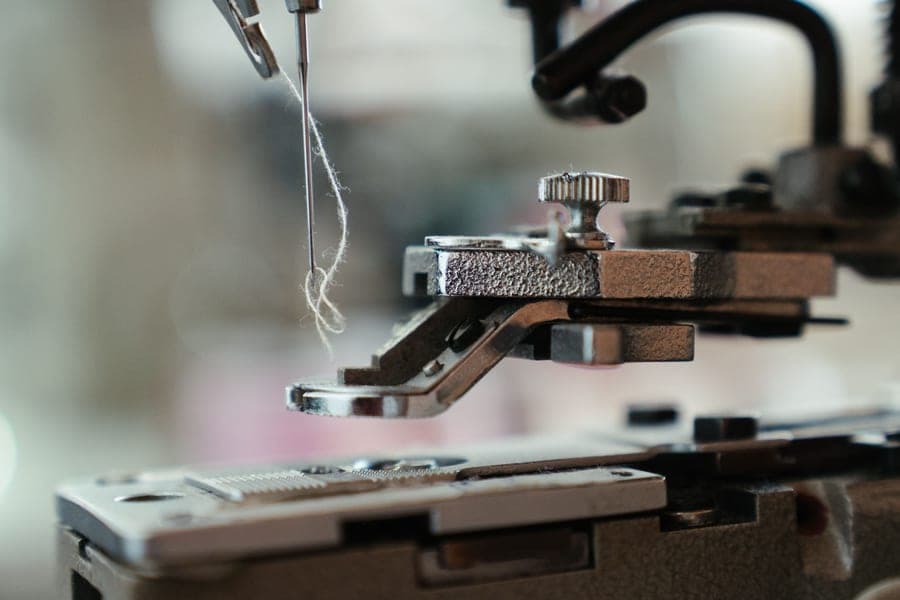 Brother CS7000XSeven buttonhole styles, stretch stitches, and a blind hem foot. Brother CS7000XSeven buttonhole styles, stretch stitches, and a blind hem foot. | Best overall for clothes | 8.2 | |
| 2 | 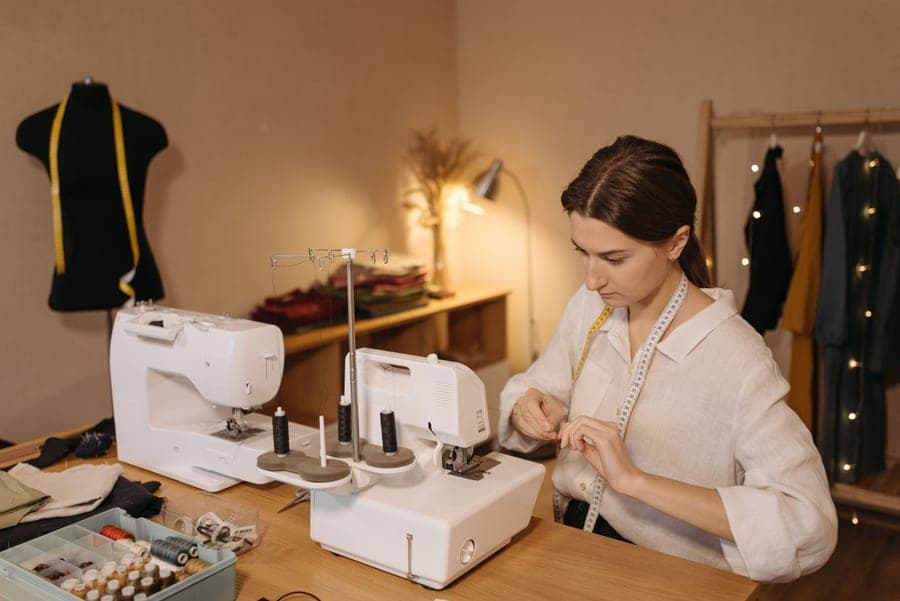 Brother XM2701One-step buttonhole and a blind hem foot at the cheap end. Brother XM2701One-step buttonhole and a blind hem foot at the cheap end. | Best on a budget | 7.3 | |
| 3 |  Janome 2212Beautiful stitch quality, if you can live with a four-step buttonhole. Janome 2212Beautiful stitch quality, if you can live with a four-step buttonhole. | Best mechanical for garments | 7.6 |
Scores are our editorial judgment on six axes, explained on the methodology page. We do not run a test lab and never claim to.
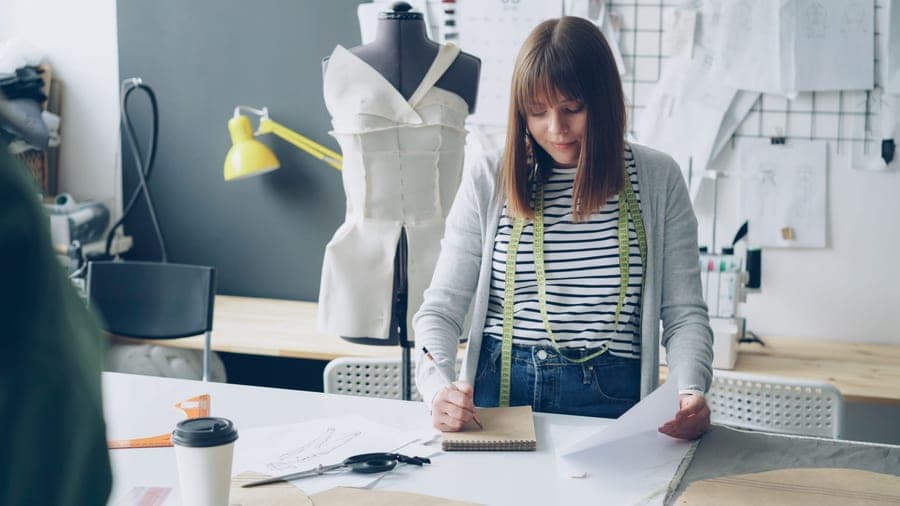
Making clothes is the use case that separates machines most clearly, because garments need things that cushion covers do not: buttonholes, hems that do not show, and seams that stretch when the wearer does.
Buttonholes first
A shirt has seven or eight buttonholes. A dress has a zip or a row of them. Getting them right matters visibly, and a one-step buttonhole - drop the button in the foot, press the pedal, done - is the single feature that makes garment sewing pleasant rather than tense.
Four-step buttonholes work and make even buttonholes achievable with practice. They are just the thing beginners dread, and if clothes are your plan, paying to avoid them is money well spent.
Stretch stitches and knits
A straight stitch has no give. Sew a T-shirt shoulder seam with one, pull it over your head, and the thread snaps. Knits need a stitch that stretches: a narrow zigzag works, and a dedicated stretch or lightning stitch works better.
All three machines here can sew knits with a zigzag. The CS7000X has proper stretch stitches; the others have a narrow zigzag, which is genuinely fine while you learn. You do not need a serger for this - see do you need a serger.
Hems that do not show
A blind hem stitch catches a thread or two of the outer fabric at intervals, so the hem is invisible from the right side. Every machine on this list has the stitch and a blind hem foot, and it takes about twenty minutes to learn. It is the fastest upgrade from “homemade” to “handmade” available to a beginner.
The picks in full
01 - Best overall for clothes
Brother CS7000X
Does the fiddly parts for you so you can spend your energy learning to sew.
- 70 built-in stitches, 7 one-step buttonholes
- Automatic needle threader, drop-in top bobbin
- Speed-control slider
- Wide table and 10 presser feet included
- Get it if
- You want threading, buttonholes and stitch settings handled by the machine, and you might try quilting later - the wide table is already in the box.
- Skip it if
- You want physical dials instead of a menu, or you will be sewing canvas, upholstery or leather regularly.
The trade-off
Light and mostly plastic. That makes it easy to carry and quiet on cottons and mid-weights; it is not built for heavy layers every day.
#ad - opens Amazon in a new tab. How we earn
How the Brother CS7000X scores
Our judgment on the six axes described on the methodology page. Not measurements - we do not run a test lab.
- Setup and threading
- 9/10
- Everyday stitch quality
- 8/10
- Thick fabric
- 6/10
- Beginner features
- 9/10
- Durability reputation
- 7/10
- Help for this exact model
- 10/10
Overall 8.2/10
02 - Best on a budget
Brother XM2701
The find-out-if-I-actually-like-this machine.
- 27 stitches, one-step buttonhole
- Automatic needle threader, drop-in bobbin
- 6 presser feet included
- Light enough to carry to a class
- Get it if
- You are not sure sewing will stick and you want a real, capable machine without spending what a better one costs.
- Skip it if
- You already know you will sew every week, or you want speed control and a quilting table.
The trade-off
Lightweight and basic. It does everything a beginner needs - buttonholes, zippers, hems - but you will outgrow it sooner than the CS7000X.
#ad - opens Amazon in a new tab. How we earn
How the Brother XM2701 scores
Our judgment on the six axes described on the methodology page. Not measurements - we do not run a test lab.
- Setup and threading
- 9/10
- Everyday stitch quality
- 7/10
- Thick fabric
- 5/10
- Beginner features
- 7/10
- Durability reputation
- 6/10
- Help for this exact model
- 9/10
Overall 7.3/10
03 - Best mechanical for garments
Janome 2212
Twelve stitches, nothing to break - the classroom favorite.
- 12 stitches, dial controls, four-step buttonhole
- Drop feed for free-motion quilting
- Free arm for cuffs and sleeves
- A reputation for lasting decades
- Get it if
- You value reliability over conveniences and want a machine still working long after the computerized ones are gone.
- Skip it if
- You want an automatic threader, a one-step buttonhole or a drop-in bobbin - it has none of them.
The trade-off
Fewer conveniences, more longevity. The four-step buttonhole and front-loading bobbin are a little more work to learn.
#ad - opens Amazon in a new tab. How we earn
How the Janome 2212 scores
Our judgment on the six axes described on the methodology page. Not measurements - we do not run a test lab.
- Setup and threading
- 6/10
- Everyday stitch quality
- 9/10
- Thick fabric
- 7/10
- Beginner features
- 4/10
- Durability reputation
- 10/10
- Help for this exact model
- 7/10
Overall 7.6/10
Questions beginners actually ask
What is the best beginner sewing machine for making clothes?
The Brother CS7000X. It has seven one-step buttonhole styles, proper stretch stitches for knits and a blind hem foot in the box, which covers the three things garment sewing needs that homeware does not.
Do I need a serger to make clothes?
No. A serger finishes raw edges beautifully and is faster on knits, but every machine here has a zigzag that finishes edges well enough while you learn. Buy a serger after your first few garments, if you still want one.
Can a beginner machine sew stretchy fabric?
Yes. Use a ballpoint or jersey needle and a narrow zigzag or a dedicated stretch stitch, and go slowly. A straight stitch has no give and will snap when the garment is pulled on, which is the usual cause of failed first T-shirts.
Is a one-step buttonhole worth paying for?
For garment sewing, yes. A shirt needs seven or eight buttonholes and a one-step mechanism sizes and sews each one in a single pass. Four-step buttonholes work, but they are the feature beginners most often wish they had avoided.
Sources
Specifications are taken from manufacturer listings. We do not run a test lab and never claim to - how each machine is assessed is set out on our methodology page.