Best For · Best for quilting under $300
The best sewing machines for quilting under $300
Our pick is the Brother CS7000X: it drops its feed dogs, includes the wide table and still lands inside $300. The budget pick is the Janome 2212, the cheapest machine here that can quilt properly.
By Michael W. · Published
Disclosure: this page contains affiliate links. As an Amazon Associate, StitchStarter earns from qualifying purchases at no extra cost to you. Prices are read from Amazon daily and dated; the price you pay is the one Amazon shows at checkout. It never changes which machines we recommend. Full disclosure.
Quick picks
The short answer. Every pick is explained in full below, including who should skip it.
| # | Product | Best for | Score | Price |
|---|---|---|---|---|
| 1 | 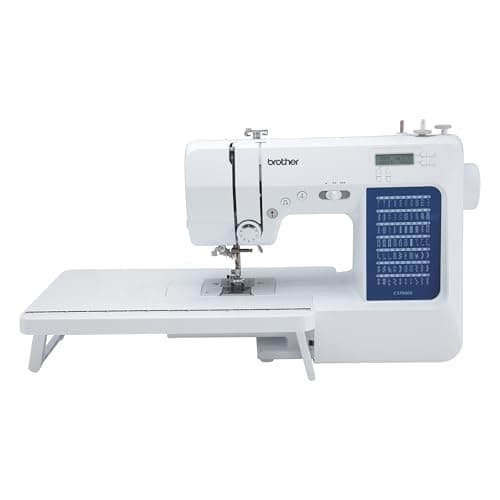 Brother CS7000XAutomatic drop feed, a free motion foot and the wide table in the box - and it fits the bracket. | Best for quilting under $300 | 8.2 | |
| 2 | 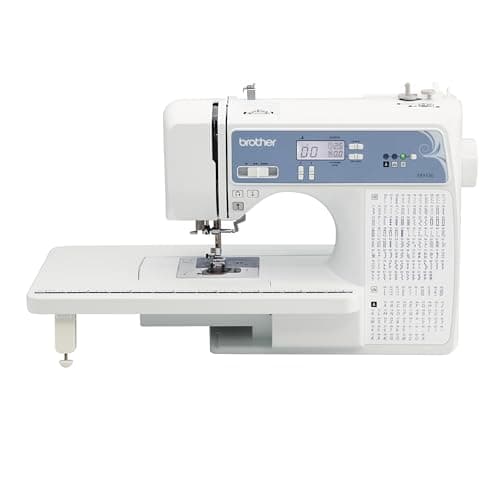 Brother XR9550The same wide table, a bigger display and 165 stitches, for less than our top pick. | Best value inside the bracket | 7.7 | |
| 3 | 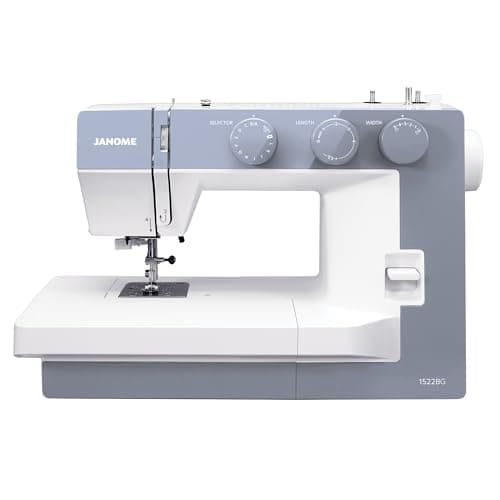 Janome 1522Metal frame, drop feed and the foot pressure dial that stops a quilt dragging. | Best built to last | 7.6 | |
| 4 | 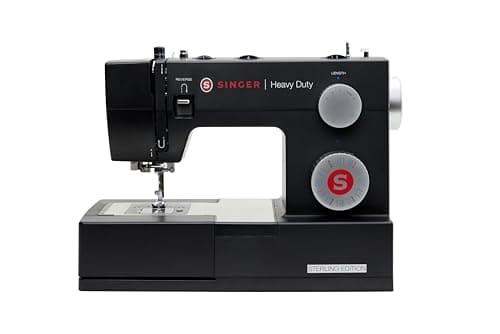 Singer Heavy Duty 4432A documented drop feed lever, a metal frame and a high presser foot lift. | Best for thick quilt sandwiches | 7.6 | |
| 5 | 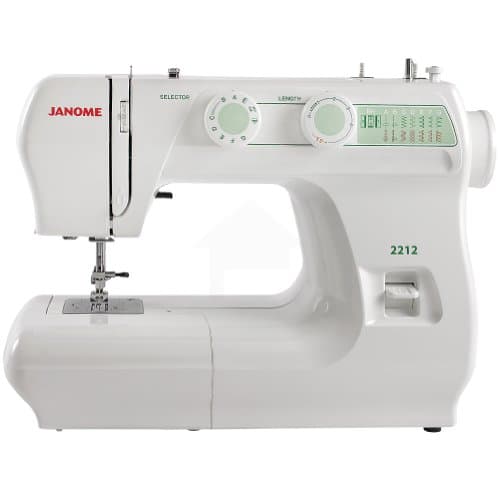 Janome 2212Twelve stitches, three dials, drop feed. The cheapest machine here that does the job properly. | Budget pick - cheapest that can quilt | 7.6 |
Prices shown are Amazon prices as of November 22, 2026 and can change.Scores are our editorial judgment on six axes, explained on the methodology page. We do not run a test lab and never claim to.
If $300 is your ceiling and you want to quilt, buy the Brother CS7000X. It is the pick for the beginner quilter who wants one machine to learn on: Brother lists its drop feed as automatic, puts a free motion quilting foot and a walking foot among the ten feet in the carton, and includes the wide table that gives a quilt somewhere to rest — and it still sits inside the bracket. If you would rather spend as little as possible, the Janome 2212 is the budget pick: the cheapest machine on this page that can quilt properly, because it can lower its feed dogs.
Every price on this page lives inside a buy button, read from Amazon and stamped with the date it was read. We never type a number into a paragraph, so what you see under each pick is the price as of the stamp under the table — and the “under $300” claim is checked against those same numbers, not against a figure we remember.
What $300 buys a quilter, and what it does not
The useful finding first. $300 is enough to buy a machine that quilts well at a domestic scale, and it is not enough to buy your way out of the two things that actually make quilting hard: throat space and stitch regulation. Nothing in this bracket has generous throat space, and nothing in it has a stitch regulator at all — those appear on dealer machines costing several times this ceiling. What the money buys here is a flat bed big enough to work on, feed dogs that get out of the way, and a motor you can hold steady.
What a quilting machine under $300 needs, in the order that decides whether you can quilt at all.
Notice what is not on that list: stitch count. Quilting uses a straight stitch, a walking-foot straight stitch and occasionally a zigzag. Our stitches explained guide goes through the handful you will genuinely use, and do you need a special sewing machine for quilting answers the question underneath this one.
Best for quilting under $300: Brother CS7000X
The CS7000X wins this bracket on carton contents as much as on the machine. Brother lists automatic drop feed, a free motion quilting foot and a walking foot among the ten included feet, and the wide table is in the box rather than an extra. For a beginner quilter that matters more than any specification: it means your first quilting afternoon does not start with an accessory order. Add the speed-control slider — cap the motor, then concentrate on your hands — and it is the most forgiving machine here to learn on.
Who should skip it. Anyone quilting thick or oversized sandwiches regularly. It is a metal internal frame in a light plastic shell, so the body can shift when you haul a lot of quilt across the bed. Anyone who prefers dials to a menu will find stitch selection fussy. Our Brother CS7000X review is the long version.
Best value inside the bracket: Brother XR9550
The XR9550 is the reason this page exists rather than restating our quilting beginners roundup. Once a hard ceiling is in play it moves up: it includes the same wide table as our top pick, adds a larger LCD display, 165 built-in stitches and eight one-step buttonhole styles, and it is consistently the cheaper of the two. If the gap between them matters to your budget more than the speed slider does, this is the one to buy.
Who should skip it. Nervous beginners. There is no speed limiter, and the stitch library is largely decoration you will not use on a quilt. Our Brother XR9550 review and the CS7000X vs XR9550 comparison settle the choice between the top two picks properly.
Best built to last: Janome 1522
The 1522 is the mechanical answer, and the only machine on this page with a foot pressure adjustment dial — a genuinely useful thing on a quilt sandwich, which wants to slide sideways under the foot rather than be clamped. You also get drop feed, a three-piece feed dog, 22 stitches, a one-step buttonhole, a built-in needle threader and the solid metal frame Janome is known for. Nothing on it depends on a circuit board, which is the arithmetic behind our lifespan guide.
Who should skip it. Anyone buying on price — the 2212 is the value machine in the same line and costs a good deal less. Skip it too if you want a drop-in bobbin or need a machine this week; it sells mainly as a color edition and stock comes and goes. Our Janome 1522 review covers it, and 2212 vs 1522 is the within-line comparison.
Best for thick quilt sandwiches: Singer Heavy Duty 4432
Singer documents a drop feed lever on the 4432, which is what puts the Heavy Duty platform on a quilting page legitimately. What it adds over the Janomes is muscle and height: a full metal interior frame, a stainless steel bedplate, an automatic needle threader and an extra-high presser foot lift that gets a densely batted sandwich under the needle in the first place. If your quilts are heavy rather than large, this is the pick.
Who should skip it. Most people learning the motion. There is no speed limiter, the slowest speed is still quick, and it is loud — see our quiet machines roundup if that matters where you sew. Mechanically it is the same machine as the 4423, with a longer stitch list.
Budget pick: Janome 2212
The 2212 is the cheapest machine on this page that can quilt properly, and “properly” is doing real work in that sentence: it can lower its feed dogs, which the cheaper Brother machines in our most affordable machine guide cannot. Twelve stitches, three dials, a free arm, and close to nothing that can fail. Sewing classes keep buying it for a reason.
Who should skip it. Anyone who wants conveniences. No automatic needle threader, no drop-in bobbin, a four-step buttonhole, no speed limiter and no table in the box, so pace and bulk are both your problem. You will also need to buy a darning foot. Our Janome 2212 review and our mechanical machines roundup are honest about the trade.
What to spend the rest of the budget on
If the machine comes in under the ceiling, quilting is one of the few jobs where the leftover money genuinely changes the result. A walking foot for your model, if it was not included, keeps three layers feeding together and is the single biggest upgrade for straight-line quilting. Quilting gloves and a slider mat for free motion work, because the whole technique is moving fabric smoothly and bare fingers on a sticky bed do not. A box of fresh quilting needles in the right size — see needle sizes explained — which prevents most skipped stitches. And a bigger table to put the machine on, which matters nearly as much as the machine: how much space does a sewing machine need has the measurements, and do you need a sewing table is the honest answer on furniture.
Where this page sits against our other quilting pages
This page answers a budget question. If price is not your constraint, our quilting beginners roundup is the better starting point, and free motion quilting is the page for the technique specifically. If one machine has to quilt and make clothes, quilting and clothes is written for exactly that. For the whole bracket rather than the quilting slice, best sewing machines under $300 is the general page, and t-shirt quilts covers the one quilting project that changes the shortlist again.
The picks in full
01 - Best for quilting under $300
Brother CS7000X
Does the fiddly parts for you so you can spend your energy learning to sew.
- 70 built-in stitches, 7 one-step buttonholes
- Automatic needle threader, drop-in top bobbin
- Speed-control slider
- Wide table and 10 presser feet included
- Get it if
- You want threading, buttonholes and stitch settings handled by the machine, and you might try quilting later - the wide table is already in the box.
- Skip it if
- You want physical dials instead of a menu, or you will be sewing canvas, upholstery or leather regularly.
The trade-off
A metal internal frame inside a light plastic shell. That makes it easy to carry and quiet on cottons and mid-weights; it is not built for heavy layers every day the way a Heavy Duty is.
How the Brother CS7000X scores
Our judgment on the six axes described on the methodology page. Not measurements - we do not run a test lab.
- Setup and threading
- 9/10
- Everyday stitch quality
- 8/10
- Thick fabric
- 6/10
- Beginner features
- 9/10
- Durability reputation
- 7/10
- Help for this exact model
- 10/10
Overall 8.2/10
02 - Best value inside the bracket
Brother XR9550
More stitches and a bigger screen than the CS7000X, for the same job.
- 165 built-in stitches - 110 utility and decorative plus 55 alphanumeric
- 8 one-step buttonhole styles
- LCD display and stitch selection
- Wide table included
- Automatic threader, drop-in bobbin
- Get it if
- You want the CS7000X's convenience with a larger display and more decorative stitches.
- Skip it if
- You would rather put the difference toward fabric - you will use a fraction of the stitch library.
The trade-off
The extra stitches are decorative. The real difference from the CS7000X is the display, and the CS7000X's speed slider is arguably worth more to a beginner.
$269.99 · 15% off · price as of November 22, 2026
#ad - opens Amazon in a new tab. How we earn
How the Brother XR9550 scores
Our judgment on the six axes described on the methodology page. Not measurements - we do not run a test lab.
- Setup and threading
- 9/10
- Everyday stitch quality
- 8/10
- Thick fabric
- 6/10
- Beginner features
- 8/10
- Durability reputation
- 7/10
- Help for this exact model
- 8/10
Overall 7.7/10
03 - Best built to last
Janome 1522
A step up the mechanical ladder - more stitches, same build.
- 22 built-in stitches
- One-step buttonhole
- Built-in needle threader
- Drop feed, 3-piece feed dog, foot pressure adjustment dial
- Solid metal frame in the Janome tradition
- Get it if
- You like what the 2212 stands for but want a one-step buttonhole, a needle threader and a wider stitch range.
- Skip it if
- You are buying on price - the 2212 is the value pick in the line - or you want a drop-in bobbin.
The trade-off
You pay a clear premium over the 2212, and what you get for it is convenience rather than a better seam: the buttonhole, the threader and the extra stitches. Whether that is worth it depends on how many buttonholes you expect to sew.
How the Janome 1522 scores
Our judgment on the six axes described on the methodology page. Not measurements - we do not run a test lab.
- Setup and threading
- 8/10
- Everyday stitch quality
- 9/10
- Thick fabric
- 7/10
- Beginner features
- 7/10
- Durability reputation
- 10/10
- Help for this exact model
- 6/10
Overall 7.6/10
04 - Best for thick quilt sandwiches
Singer Heavy Duty 4432
The middle Heavy Duty - more stitches than the 4423, same bones.
- 32 built-in stitches (110 stitch applications), one-step buttonhole
- 1,100 stitches per minute
- Full metal interior frame, top drop-in bobbin
- Automatic needle threader, drop feed
- Get it if
- You want the Heavy Duty platform and will genuinely use stretch and decorative stitches.
- Skip it if
- You would only ever use straight and zigzag - the 4423 covers that for less.
The trade-off
It sews identically to the 4423. The stitch library is the whole difference, and most owners settle on four or five stitches within a month.
How the Singer Heavy Duty 4432 scores
Our judgment on the six axes described on the methodology page. Not measurements - we do not run a test lab.
- Setup and threading
- 7/10
- Everyday stitch quality
- 8/10
- Thick fabric
- 9/10
- Beginner features
- 6/10
- Durability reputation
- 8/10
- Help for this exact model
- 8/10
Overall 7.6/10
05 - Budget pick - cheapest that can quilt
Janome 2212
Twelve stitches, nothing to break - the classroom favorite.
- 12 stitches, dial controls, four-step buttonhole
- Drop feed for free-motion quilting
- Free arm for cuffs and sleeves
- A reputation for lasting decades
- Get it if
- You value reliability over conveniences and want a machine still working long after the computerized ones are gone.
- Skip it if
- You want an automatic threader, a one-step buttonhole or a drop-in bobbin - it has none of them.
The trade-off
Fewer conveniences, more longevity. The four-step buttonhole and front-loading bobbin are a little more work to learn.
$217.00 · 13% off · price as of November 22, 2026
#ad - opens Amazon in a new tab. How we earn
How the Janome 2212 scores
Our judgment on the six axes described on the methodology page. Not measurements - we do not run a test lab.
- Setup and threading
- 6/10
- Everyday stitch quality
- 9/10
- Thick fabric
- 7/10
- Beginner features
- 4/10
- Durability reputation
- 10/10
- Help for this exact model
- 7/10
Overall 7.6/10
Questions beginners actually ask
What is the best sewing machine for quilting under $300?
The Brother CS7000X. Brother lists its drop feed as automatic, includes a free motion quilting foot and a walking foot among the ten feet in the box, and ships the wide table rather than selling it separately - so you can quilt on the day it arrives. The speed-control slider is what makes it forgiving while you learn the hand motion.
Can you quilt on a cheap sewing machine?
Yes, within a specific limit: the machine has to be able to stop feeding the fabric, either with a drop feed setting or a darning plate that covers the feed dogs. Several machines under $200 can do neither. Above that, the honest ceiling at this price is size rather than capability - baby quilts, lap quilts and runners are comfortable, a queen is a wrestling match.
Do I need a wide table to quilt?
Not strictly, but it changes the experience more than most features. A quilt that hangs off the edge of the machine bed drags on the needle, and drag is what makes stitch length uneven. Two machines here include a table - the Brother CS7000X and the Brother XR9550. For the others, an aftermarket table or a flat surface level with the bed does the same job.
Is $300 enough for a quilting machine?
For domestic quilting, yes. What $300 does not buy at any brand is generous throat space or a stitch regulator; those start several times higher. If you want to quilt king-size projects, the usual answer is not a bigger machine but quilt-as-you-go, or sending the big ones to a longarm service.
Where do the prices on this page come from?
Amazon's own product data, refreshed daily and stamped with the date it was read. No price is written into the article text, and if the refresh stops the number is removed rather than left to go stale. The under-$300 bracket on this page is checked against those same dated prices.
Sources
- Brother USA - CS7000X specifications and carton contents
- Brother USA - XR9550 specifications
- Singer (manufacturer specifications)
- Janome America (manufacturer specifications)
Specifications are taken from manufacturer listings. We do not run a test lab and never claim to - how each machine is assessed is set out on our methodology page.
Read next
- Best sewing machines for quilting beginners
The same question without a price ceiling on it.
- Best sewing machines under $300
The whole bracket, not just the quilting slice.
- Best sewing machines for free motion quilting
For the technique, where drop feed is pass or fail.
- Sewing machine throat space explained
The measurement $300 cannot buy you out of.