Best For · Best for doll clothes
The best sewing machines for doll clothes
Our pick is the Brother XM2701. Doll clothes are not a lightweight version of dressmaking - they are a precision job, and the machine features that help are not the ones on the front of the box.
By Michael W. · Published
Disclosure: this page contains affiliate links. As an Amazon Associate, StitchStarter earns from qualifying purchases at no extra cost to you. Prices are read from Amazon daily and dated; the price you pay is the one Amazon shows at checkout. It never changes which machines we recommend. Full disclosure.
Quick picks
The short answer. Every pick is explained in full below, including who should skip it.
| # | Product | Best for | Score | Price |
|---|---|---|---|---|
| 1 | 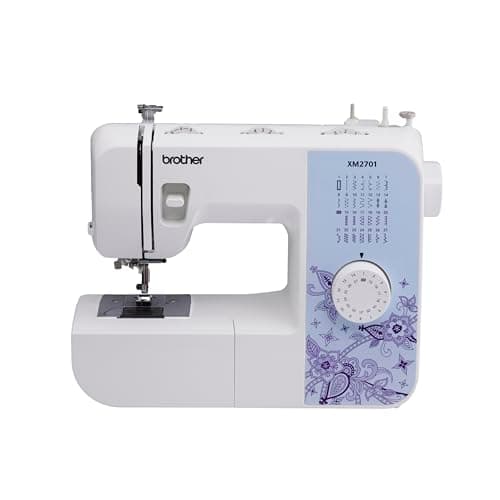 Brother XM2701Free arm, light body, one-step buttonhole - and small enough to leave out. | Best for doll clothes overall | 7.3 | |
| 2 | 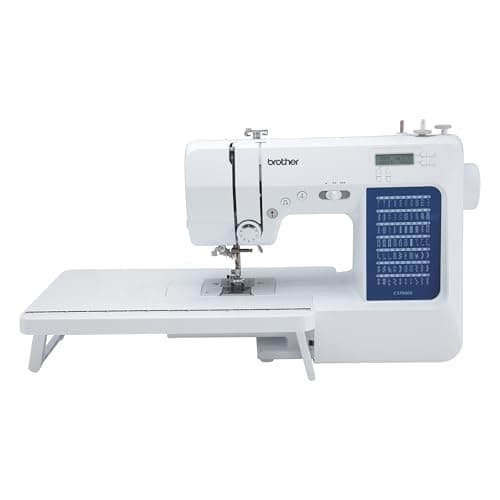 Brother CS7000XThe speed slider is the feature that matters most at this scale. | Best for control on tiny seams | 8.2 | |
| 3 | 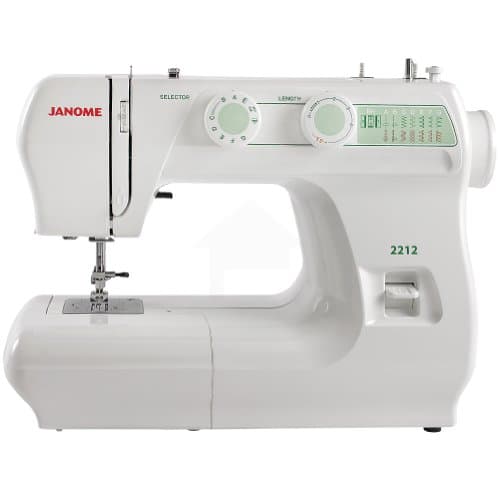 Janome 2212Dials let you dial a short stitch exactly and see it at a glance. | Best for precise stitch settings | 7.6 | |
| 4 | 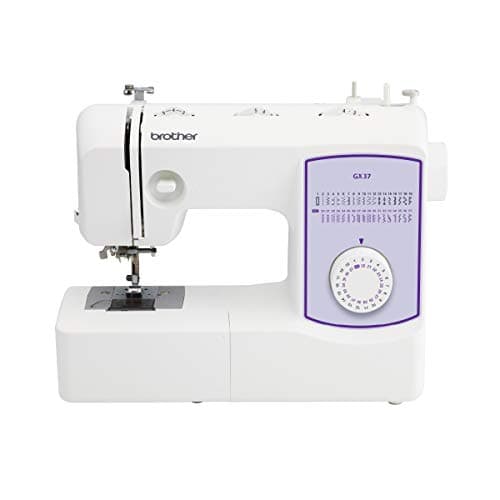 Brother GX37Effectively the XM2701 with more decorative stitches. | Best if it is the cheaper one on the day | 7.2 |
Prices shown are Amazon prices as of November 1, 2026 and can change.Scores are our editorial judgment on six axes, explained on the methodology page. We do not run a test lab and never claim to.
For doll clothes, buy the Brother XM2701. It has the three things this work needs — a free arm for tiny tubes, an automatic threader and drop-in bobbin so you are not fighting the setup, and a one-step buttonhole small enough to be useful on a doll bodice — and it is light enough to live on a shelf and come out for an hour at a time, which is how most doll sewing actually happens.
The thing to understand first: doll clothes are not scaled-down dressmaking. They are a precision job with almost no fabric to hold on to. Every seam is short, every curve is tight, every hem is narrow, and nothing is big enough to grip while you steer. That changes which machine features matter, and it means the machine most roundups recommend for “small projects” — a mini or handheld machine — is exactly wrong. A toy machine with no adjustable stitch length cannot sew a 6mm seam allowance on cotton lawn without eating it.
What doll clothes actually demand
The features that change the result on doll-scale garments, in order of how much they matter.
Our needle size guide covers that last row, and settings for thin and delicate fabric is the single most useful page on this site for doll sewing, because doll clothes and delicate fabric have almost the same requirements.
The picks, and who should skip each
Brother XM2701. 27 stitches, one-step buttonhole, automatic needle threader, drop-in bobbin, free arm, six feet in the box and genuinely light. Skip it if you already know you will sew every week on full-size garments too — you will outgrow it sooner than the CS7000X. Full XM2701 review.
Brother CS7000X. The speed-control slider is the reason it is here, and if you find small work stressful it is the better machine. You also get 70 stitches, seven one-step buttonholes and a wide table you will not need for dolls but will the moment you make anything larger. Skip it if you want dials rather than a menu.
Janome 2212. Twelve stitches, dial controls, a free arm and drop feed. The appeal for this work is that stitch length and width are physical dials you can set precisely and read at a glance, plus a reputation for lasting decades. Skip it if you want an automatic threader, a drop-in bobbin or a one-step buttonhole — it has none of the three, and its four-step buttonhole is more work on a doll-size bodice.
Brother GX37. Effectively the XM2701 with 37 stitches instead of 27. Treat them as interchangeable and buy whichever is cheaper on the day. Skip it if you want a speed limiter or a wide table.
Five things that help more than a new machine
Shorten the stitch to about 1.5-2mm. Everything looks right immediately. It also holds tight curves without the seam gaping.
Start on a scrap, not on the garment. Begin the seam on a small leader of fabric and feed straight into the piece. On a 2-inch seam there is no room to recover if the first two stitches tangle.
Use a straight-stitch or narrow-hole foot if you have one. Less room for light fabric to be pushed down into the plate.
Press more than you sew. At this scale pressing is most of the finish. Seam allowances that are pressed open stay flat; ones that are not will never look right.
Finish edges with a narrow zigzag. You do not need a serger for doll clothes — there is not enough seam to fray much, and a narrow zigzag is tidier at this size. Our serger guide makes the general case.
What to avoid for this job
Two categories cause most of the regret. The first is the toy or handheld machine, bought because the garments are small. Size of project and size of machine are unrelated: a doll bodice needs a precisely set short stitch and a free arm, and a toy machine has neither. The second is the fast heavy-duty machine, bought because it is the sturdiest thing on the shelf. A machine running at 1,100 stitches per minute with no speed limiter will have finished a two-inch seam before you have steered it, which is the opposite of what this work needs.
The middle ground is the right ground here, and it is also the cheap ground, which is unusually good news. A lightweight computerized or simple mechanical machine with adjustable stitch length does doll clothes better than anything above or below it.
Where doll sewing goes next
Doll clothes are one of the best possible routes into garment sewing, because every technique a shirt needs appears in miniature and costs a fraction of the fabric: set sleeves, facings, closures, hems, gathers. If you want to carry on, our beginner patterns guide and how to read a sewing pattern are the two next pages, and machines for making clothes ranks the same machines against full-size garments. The closest relative of this page is our roundup for baby clothes and blankets — same free-arm problem at a slightly larger scale, with knit fabric and a quilted blanket added to the job list.
The picks in full
01 - Best for doll clothes overall
Brother XM2701
The find-out-if-I-actually-like-this machine.
- 27 stitches, one-step buttonhole
- Automatic needle threader, drop-in bobbin
- 6 presser feet included
- Light enough to carry to a class
- Get it if
- You are not sure sewing will stick and you want a real, capable machine without spending what a better one costs.
- Skip it if
- You already know you will sew every week, or you want speed control and a quilting table.
The trade-off
Lightweight and basic. It does everything a beginner needs - buttonholes, zippers, hems - but you will outgrow it sooner than the CS7000X.
How the Brother XM2701 scores
Our judgment on the six axes described on the methodology page. Not measurements - we do not run a test lab.
- Setup and threading
- 9/10
- Everyday stitch quality
- 7/10
- Thick fabric
- 5/10
- Beginner features
- 7/10
- Durability reputation
- 6/10
- Help for this exact model
- 9/10
Overall 7.3/10
02 - Best for control on tiny seams
Brother CS7000X
Does the fiddly parts for you so you can spend your energy learning to sew.
- 70 built-in stitches, 7 one-step buttonholes
- Automatic needle threader, drop-in top bobbin
- Speed-control slider
- Wide table and 10 presser feet included
- Get it if
- You want threading, buttonholes and stitch settings handled by the machine, and you might try quilting later - the wide table is already in the box.
- Skip it if
- You want physical dials instead of a menu, or you will be sewing canvas, upholstery or leather regularly.
The trade-off
A metal internal frame inside a light plastic shell. That makes it easy to carry and quiet on cottons and mid-weights; it is not built for heavy layers every day the way a Heavy Duty is.
How the Brother CS7000X scores
Our judgment on the six axes described on the methodology page. Not measurements - we do not run a test lab.
- Setup and threading
- 9/10
- Everyday stitch quality
- 8/10
- Thick fabric
- 6/10
- Beginner features
- 9/10
- Durability reputation
- 7/10
- Help for this exact model
- 10/10
Overall 8.2/10
03 - Best for precise stitch settings
Janome 2212
Twelve stitches, nothing to break - the classroom favorite.
- 12 stitches, dial controls, four-step buttonhole
- Drop feed for free-motion quilting
- Free arm for cuffs and sleeves
- A reputation for lasting decades
- Get it if
- You value reliability over conveniences and want a machine still working long after the computerized ones are gone.
- Skip it if
- You want an automatic threader, a one-step buttonhole or a drop-in bobbin - it has none of them.
The trade-off
Fewer conveniences, more longevity. The four-step buttonhole and front-loading bobbin are a little more work to learn.
How the Janome 2212 scores
Our judgment on the six axes described on the methodology page. Not measurements - we do not run a test lab.
- Setup and threading
- 6/10
- Everyday stitch quality
- 9/10
- Thick fabric
- 7/10
- Beginner features
- 4/10
- Durability reputation
- 10/10
- Help for this exact model
- 7/10
Overall 7.6/10
04 - Best if it is the cheaper one on the day
Brother GX37
The XM2701's slightly better-equipped sibling, for about the same job.
- 37 built-in stitches, one-step buttonhole
- Automatic needle threader, drop-in bobbin
- 6 presser feet included
- Free arm and a lightweight body
- Get it if
- You are shopping at the bottom of the sensible range and the GX37 happens to be the one in stock or discounted.
- Skip it if
- You want a speed limiter, a wide table, or a machine that will still suit you in three years.
The trade-off
The extra stitches over the XM2701 are mostly decorative and you will use about six of them. Treat the two machines as interchangeable and buy whichever is cheaper on the day.
How the Brother GX37 scores
Our judgment on the six axes described on the methodology page. Not measurements - we do not run a test lab.
- Setup and threading
- 9/10
- Everyday stitch quality
- 7/10
- Thick fabric
- 5/10
- Beginner features
- 7/10
- Durability reputation
- 6/10
- Help for this exact model
- 8/10
Overall 7.2/10
Questions beginners actually ask
What is the best sewing machine for doll clothes?
The Brother XM2701. It has the three things doll-scale sewing needs - a free arm for tiny tubes, an automatic threader and drop-in bobbin so setup is not a fight, and a one-step buttonhole - and it is light enough to leave on a shelf and use for an hour at a time.
Do I need a mini sewing machine for doll clothes?
No, and a toy or handheld machine is usually the wrong answer. Doll clothes are a precision job: you need adjustable stitch length so you can drop to about 1.5-2mm, a free arm, and controllable speed. Most mini machines have none of the three and will chew light cotton on a narrow seam allowance.
What stitch length should I use for doll clothes?
Around 1.5 to 2mm, rather than the 2.5mm default. A shorter stitch looks correctly scaled on a tiny garment and holds tight curves without the seam gaping. Pair it with a fine needle - size 9 or 11, or 70/80 in metric sizing.
Can a beginner sew doll clothes?
Yes, and it is one of the best ways to learn. Every technique a full-size garment needs appears in miniature - sleeves, facings, closures, hems, gathers - at a fraction of the fabric cost. The main adjustment is patience with small pieces and a shorter stitch length.
Do I need a serger for doll clothes?
No. There is not enough seam length for fraying to matter much, and a narrow zigzag gives a tidier finish at this scale than an overlocked edge would. A serger is worth considering for full-size garment sewing, not for doll clothes.
Sources
Specifications are taken from manufacturer listings. We do not run a test lab and never claim to - how each machine is assessed is set out on our methodology page.
Read next
- Sewing machine settings for thin and delicate fabric
The most useful page on this site for doll sewing.
- Brother XM2701 review
- Best sewing machines for kids
If the doll sewing is for a child.
- Beginner sewing patterns