Best For · Best for adult beginners
The best sewing machines for beginner adults
Most beginner lists are written for children or for people who already sew. An adult starting from zero wants neither.
By Michael W. · Published
Disclosure: this page contains affiliate links. As an Amazon Associate, StitchStarter earns from qualifying purchases at no extra cost to you. We do not display prices - they change daily, so every button opens the live listing. It never changes which machines we recommend. Full disclosure.
Quick picks
The short answer. Every pick is explained in full below, including who should skip it.
| # | Product | Best for | Score | Price |
|---|---|---|---|---|
| 1 |  Brother CS7000XA speed slider so you can sew slowly, and a wide table for later. Brother CS7000XA speed slider so you can sew slowly, and a wide table for later. | Best for adult beginners | 8.2 | |
| 2 |  Brother XM2701Threader, visible bobbin, one-step buttonhole, cheap enough to risk. Brother XM2701Threader, visible bobbin, one-step buttonhole, cheap enough to risk. | Best if you are finding out | 7.3 | |
| 3 |  Janome 2212Two dials, no menu, and a machine that outlasts the hobby. Janome 2212Two dials, no menu, and a machine that outlasts the hobby. | Best if you want to buy once | 7.6 | |
| 4 | 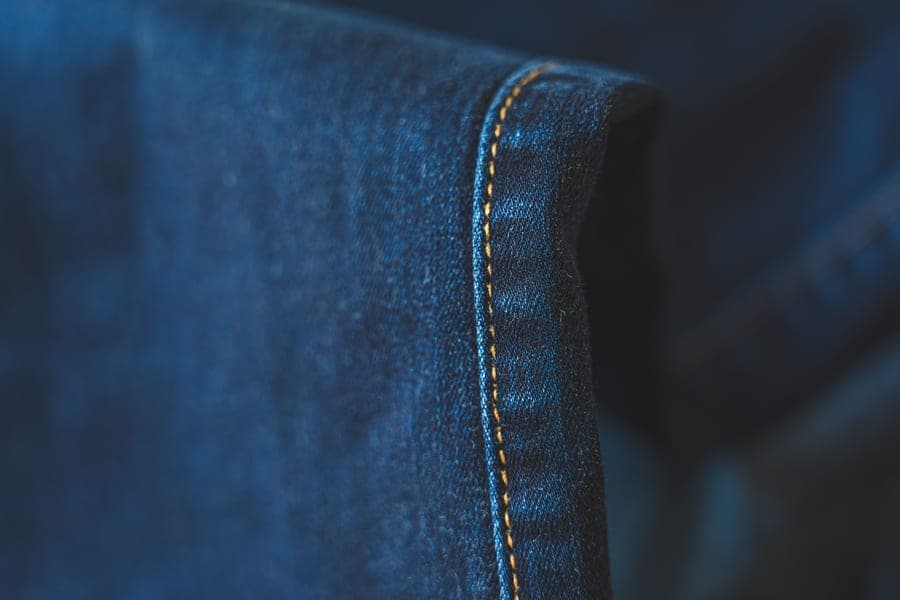 Singer Heavy Duty 4423Metal frame and a high foot lift for jeans and curtains. Singer Heavy Duty 4423Metal frame and a high foot lift for jeans and curtains. | Best if repairs are the reason | 7.8 |
Scores are our editorial judgment on six axes, explained on the methodology page. We do not run a test lab and never claim to.
The best sewing machine for an adult beginner is the Brother CS7000X, because it is a full-size machine with every setting you will eventually need, and it has the one feature that makes a first month bearable: a speed-control slider. Set it low and the machine cannot run away from you, so your first seams are a matter of steering rather than panic - and nothing about it is scaled down or simplified in a way you will have to replace.
If you are not yet sure sewing will stick, the Brother XM2701 is the honest cheaper answer. If you would rather buy once and keep it, the Janome 2212. And if the reason you are buying is jeans, curtains and repairs rather than making clothes, the Singer Heavy Duty 4423.
Why an adult beginner needs a different list
Search for a beginner sewing machine and you get two kinds of recommendation, and neither is aimed at you.
The first is the starter machine: preset stitches, a tiny motor, a price that makes it an easy gift. Those exist because children and classrooms need machines that cannot be set wrong, and that design works for a twelve-year-old sewing a cushion. For an adult it fails within weeks, because the settings it removes - stitch length, above all - are the ones you need the moment you hem anything. Our Start 1304 against the M1500 shows exactly where that wall is.
The second is the enthusiast recommendation: a machine chosen by someone who has sewn for fifteen years and values throat space, stitch regulation and a knee lift. Those are real preferences and they are not yours yet.
What an adult starting from zero actually wants is narrower than either: a full-size machine, with adjustable stitch length and width, a one-step buttonhole, a way of slowing down, and a bobbin you can see. Everything on this page has at least four of those five.
The four, side by side
Specifications as published by each manufacturer.
Read that table down the speed-control column first. The CS7000X is the only machine here you can physically slow down, and for an adult who has never guided fabric before that is the single most useful thing on this page.
Why the speed slider matters more than the stitch count
A sewing machine’s foot pedal works like a car’s accelerator, and a new sewer’s foot behaves like a new driver’s: either a crawl or a bolt. The bolt is where the seam goes crooked, where the fabric gets away, and where a lot of adults decide they have no aptitude for this.
A speed limiter caps the top speed regardless of how hard you press. You still control the pace with your foot, but the ceiling is low enough that nothing can get away from you. Three weeks later you slide it up and never think about it again. It is a temporary feature that solves a temporary problem, and it is worth more at the start than fifty extra decorative stitches.
Three things to ignore while you are choosing
The stitch count. About six stitches cover nearly everything an adult beginner sews - straight, zigzag, a stretch stitch, a blind hem, an overcast and a buttonhole. A machine advertising 200 stitches is selling decorative patterns. Our stitch guide lists the six and what each is for.
Brand loyalty. Brother, Singer and Janome all make good machines at this level and all make dull ones. The model matters, the badge does not - which is the argument in Brother vs Singer and brands explained.
“Heavy duty” as a quality claim. It means a metal frame and a fast motor, which is exactly right if you are hemming jeans and exactly wrong if you want a quiet machine for cotton. It is a specialisation, not a tier - see do you need a heavy-duty machine.
One thing worth being honest about
Threading a needle by eye is a two-second job with good light and good close vision, and a genuine irritation without either. If you are in your forties or beyond, an automatic needle threader stops being a convenience and starts being the difference between sitting down to sew and not bothering.
The CS7000X and the XM2701 have one. The Janome 2212 does not, and that is the main thing to weigh against its longevity. Our roundup for older sewers goes further into threaders, lighting and dial size.
Let the first project choose
The most useful question is not which machine is best. It is what you will make first, because that answer narrows the list faster than any specification.
Clothes: the CS7000X, and read our garment roundup. Curtains, cushion covers and home projects: the 4423 or the CS7000X, and our home decor roundup. Hemming and mending only: the 4423, and our alterations roundup. Quilting: start at quilting instead, because the wide table changes the shortlist.
The picks in full
01 - Best for adult beginners
Brother CS7000X
Does the fiddly parts for you so you can spend your energy learning to sew.
- 70 built-in stitches, 7 one-step buttonholes
- Automatic needle threader, drop-in top bobbin
- Speed-control slider
- Wide table and 10 presser feet included
- Get it if
- You want threading, buttonholes and stitch settings handled by the machine, and you might try quilting later - the wide table is already in the box.
- Skip it if
- You want physical dials instead of a menu, or you will be sewing canvas, upholstery or leather regularly.
The trade-off
Light and mostly plastic. That makes it easy to carry and quiet on cottons and mid-weights; it is not built for heavy layers every day.
#ad - opens Amazon in a new tab. How we earn
How the Brother CS7000X scores
Our judgment on the six axes described on the methodology page. Not measurements - we do not run a test lab.
- Setup and threading
- 9/10
- Everyday stitch quality
- 8/10
- Thick fabric
- 6/10
- Beginner features
- 9/10
- Durability reputation
- 7/10
- Help for this exact model
- 10/10
Overall 8.2/10
02 - Best if you are finding out
Brother XM2701
The find-out-if-I-actually-like-this machine.
- 27 stitches, one-step buttonhole
- Automatic needle threader, drop-in bobbin
- 6 presser feet included
- Light enough to carry to a class
- Get it if
- You are not sure sewing will stick and you want a real, capable machine without spending what a better one costs.
- Skip it if
- You already know you will sew every week, or you want speed control and a quilting table.
The trade-off
Lightweight and basic. It does everything a beginner needs - buttonholes, zippers, hems - but you will outgrow it sooner than the CS7000X.
#ad - opens Amazon in a new tab. How we earn
How the Brother XM2701 scores
Our judgment on the six axes described on the methodology page. Not measurements - we do not run a test lab.
- Setup and threading
- 9/10
- Everyday stitch quality
- 7/10
- Thick fabric
- 5/10
- Beginner features
- 7/10
- Durability reputation
- 6/10
- Help for this exact model
- 9/10
Overall 7.3/10
03 - Best if you want to buy once
Janome 2212
Twelve stitches, nothing to break - the classroom favorite.
- 12 stitches, dial controls, four-step buttonhole
- Drop feed for free-motion quilting
- Free arm for cuffs and sleeves
- A reputation for lasting decades
- Get it if
- You value reliability over conveniences and want a machine still working long after the computerized ones are gone.
- Skip it if
- You want an automatic threader, a one-step buttonhole or a drop-in bobbin - it has none of them.
The trade-off
Fewer conveniences, more longevity. The four-step buttonhole and front-loading bobbin are a little more work to learn.
#ad - opens Amazon in a new tab. How we earn
How the Janome 2212 scores
Our judgment on the six axes described on the methodology page. Not measurements - we do not run a test lab.
- Setup and threading
- 6/10
- Everyday stitch quality
- 9/10
- Thick fabric
- 7/10
- Beginner features
- 4/10
- Durability reputation
- 10/10
- Help for this exact model
- 7/10
Overall 7.6/10
04 - Best if repairs are the reason
Singer Heavy Duty 4423
Fast, sturdy and simple - the machine for denim hems and tote bags.
- Metal interior frame, stainless steel bedplate
- 1,100 stitches per minute
- 23 stitches, one-step buttonhole, automatic threader
- Extra-high presser foot lift for thick layers
- Get it if
- You want physical dials, you plan to sew jeans, canvas or several layers, and you do not mind a machine that is loud and quick.
- Skip it if
- You mostly want gentle control on light fabrics, or a quiet machine for an apartment.
The trade-off
Heavy duty means a metal frame and a fast motor, not an industrial machine. It handles denim well; real leather is still a struggle.
#ad - opens Amazon in a new tab. How we earn
How the Singer Heavy Duty 4423 scores
Our judgment on the six axes described on the methodology page. Not measurements - we do not run a test lab.
- Setup and threading
- 7/10
- Everyday stitch quality
- 8/10
- Thick fabric
- 9/10
- Beginner features
- 6/10
- Durability reputation
- 8/10
- Help for this exact model
- 9/10
Overall 7.8/10
Questions beginners actually ask
What is the best sewing machine for an adult beginner?
The Brother CS7000X. It is a full-size machine with every setting you will eventually need, and its speed-control slider lets you cap the top speed while your hands learn - which is the single most useful feature in a first month.
Should an adult buy a beginner sewing machine or a normal one?
A normal full-size machine. Machines marketed as beginner starters often have preset stitch length and width, which suits a child but blocks an adult the first time they hem denim or gather a ruffle. Buy a full-size machine with adjustable settings and a one-step buttonhole.
How many stitches does an adult beginner need?
About six: straight, zigzag, a stretch stitch, a blind hem, an overcast and a buttonhole. Those cover nearly all beginner sewing. Stitch counts beyond roughly twenty are decorative patterns that most owners use once.
Is a computerized machine harder for an adult to learn?
No, usually easier. The screen tells you the recommended stitch width, length and presser foot, and a computerized machine is the only kind with a speed limiter. The honest exception is anyone who would rather see every setting at once, for whom a dial machine like the Janome 2212 feels better.
Do I need an automatic needle threader?
It depends on your eyesight. Threading by eye is trivial with good close vision and good light, and a real irritation without. If you are in your forties or beyond, treat a threader as close to essential - it decides whether you sit down to sew at all.
What should an adult beginner sew first?
Something small, square and in cotton - a cushion cover, a tote bag or a simple pillowcase. Finishing something quickly matters more than what it is, and cotton behaves while you learn. Jersey, satin and chiffon all punish a beginner for reasons that are not their fault.
Sources
Specifications are taken from manufacturer listings. We do not run a test lab and never claim to - how each machine is assessed is set out on our methodology page.
Read next
- Easiest sewing machines for beginners
The same question, framed around setup rather than age.
- How to choose a sewing machine
- Best sewing machines for home use
- How much to spend on a first sewing machine