Compare · Features vs longevity
Brother CS7000X vs Janome 2212
The most-recommended beginner machine on the internet against the one sewing teachers keep buying. They disagree about what a first machine is for.
By Michael W. · Published
Disclosure: this page contains affiliate links. As an Amazon Associate, StitchStarter earns from qualifying purchases at no extra cost to you. Prices are read from Amazon daily and dated; the price you pay is the one Amazon shows at checkout. It never changes which machines we recommend. Full disclosure.
Quick picks
The short answer. Every pick is explained in full below, including who should skip it.
| # | Product | Best for | Score | Price |
|---|---|---|---|---|
| 1 | 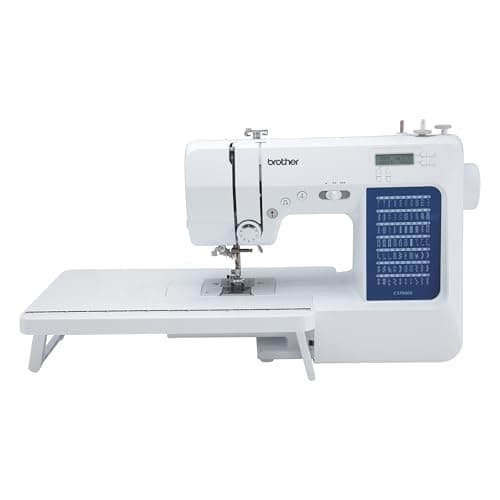 Brother CS7000XSpeed slider, automatic threader, drop-in bobbin, wide table included. | Best for most beginners | 8.2 | |
| 2 | 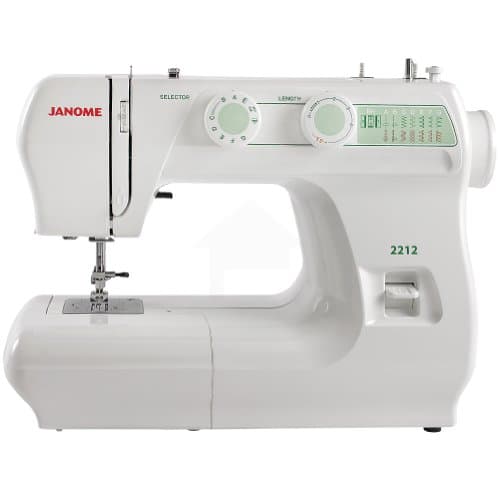 Janome 2212Nothing to fail, a drop feed, and decades of sewing in it. | Best if you want to keep it | 7.6 | |
| 3 | 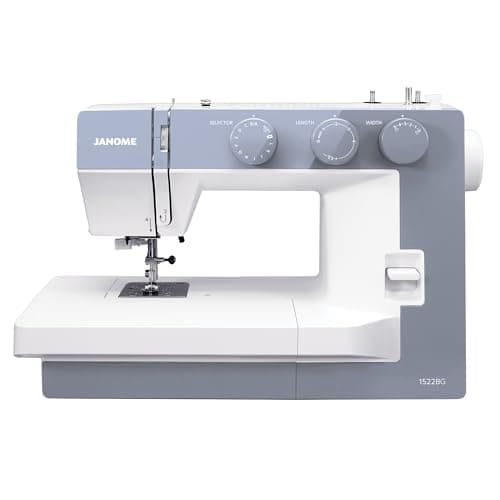 Janome 1522Janome build with a one-step buttonhole and 22 stitches. | Best of both, almost | 7.6 |
Prices shown are Amazon prices as of November 22, 2026 and can change.Scores are our editorial judgment on six axes, explained on the methodology page. We do not run a test lab and never claim to.
For most first-time buyers the Brother CS7000X is the better machine, because its speed-control slider, automatic threader and visible drop-in bobbin remove the three things that make beginners give up. Buy the Janome 2212 instead if you already know you want a mechanical machine you will still own in twenty years, or if free-motion quilting and darning are on your list.
These two machines are not competing on quality. They are competing on a question: should a first machine make sewing easy, or should it make sewing last? Both answers are defensible, and the right one depends entirely on which part of the hobby you are worried about.
At a glance
Specifications as published by each manufacturer.
Ignore the stitch counts. Seventy against twelve looks decisive and is not - about six stitches cover nearly everything a beginner sews, and both machines have all six. What actually separates them is in the middle of that table: a threader, a visible bobbin, a speed slider and a wide table on one side; a drop feed and mechanical simplicity on the other.
The first week
The CS7000X, comfortably. Its bobbin drops in from the top under a clear window, so you can see whether it is seated and which way the thread is running - and bobbin mistakes you cannot see are the most demoralising fault a beginner hits. Its threader hooks the thread through the needle eye for you. Its buttonhole is one lever and one pass.
The slider matters most of all. Set it low and the machine physically cannot run away from you, which means your first seams are a matter of steering rather than braking. The 2212 has no equivalent: your foot is the only control, and a nervous foot on a new machine produces either a crawl or a bolt.
The Janome’s compensation is that there is nothing to look up. Two dials, one lever, no menu. If the idea of navigating a screen to change a stitch irritates you in advance, that irritation is real information - see mechanical vs computerized.
Quilting: they split the job
This is the most interesting row in the table, because each machine has half of what quilting needs.
The CS7000X comes with a wide extension table, which is what stops a quilt sliding off the right side of the machine while you sew it. The 2212 cannot be fitted with one. Both machines have a drop feed - the feed dogs lower out of the way so you move the fabric yourself - and that is what free-motion quilting and darning require. The difference is in the handling: the 2212 is the machine free-motion quilters reach for because its dial-set stitch length is easy to hold steady, while the CS7000X pairs its drop feed with a speed slider and ships a free motion foot in the box.
So: straight-line and walking-foot quilting on a reasonable area, the Brother. Free-motion work on a small area, the Janome. Our quilting roundup and guide to whether quilting needs a special machine both work through that trade-off properly.
Which one lasts
The Janome, and it is not close in reputation. A machine with no circuit board, no screen and no motorised buttonhole mechanism has very little that can fail, and Janome’s mechanical machines have a long record of being handed down. The CS7000X is a competent machine in a mostly plastic body with electronics inside, and it is not the one anybody expects to be sewing in thirty years.
The honest counter-argument: a machine you find frustrating is a machine that sits in a cupboard, and a cupboard is where most first sewing machines die. A CS7000X used every week for eight years has done more sewing than a 2212 used twice. Our lifespan guide makes the case that maintenance, not brand, is what usually decides this.
Thick fabric
Neither is the machine for this. Both will hem light denim and sew a lined tote slowly, with a size 16 needle and patience. Neither has the metal frame and extra-high foot lift that crossing jeans seams want - that is the Singer Heavy Duty 4423, and if thick fabric is the actual plan, the comparison you want is 2212 against the 4423.
All three machines
The two in the comparison, plus the Janome that answers the buttonhole complaint.
Brother CS7000X
Speed slider, automatic threader, visible bobbin and a wide quilting table in the box.
Skip it if You want physical dials instead of a menu, or you will be sewing canvas, upholstery or leather regularly.
Janome 2212
Twelve stitches, two dials, a drop feed, and almost nothing that can break.
Skip it if You want an automatic threader, a one-step buttonhole or a drop-in bobbin - it has none of them.
Janome 1522
Janome build with a one-step buttonhole and 22 stitches, if the 2212 feels too bare.
Skip it if You are buying on price - the 2212 is the value pick in the line - or you want a drop-in bobbin.
#ad - buy links go to Amazon and earn us a commission at no extra cost to you. Prices shown are Amazon prices as of November 22, 2026 and can change. Full disclosure.
The picks in full
01 - Best for most beginners
Brother CS7000X
Does the fiddly parts for you so you can spend your energy learning to sew.
- 70 built-in stitches, 7 one-step buttonholes
- Automatic needle threader, drop-in top bobbin
- Speed-control slider
- Wide table and 10 presser feet included
- Get it if
- You want threading, buttonholes and stitch settings handled by the machine, and you might try quilting later - the wide table is already in the box.
- Skip it if
- You want physical dials instead of a menu, or you will be sewing canvas, upholstery or leather regularly.
The trade-off
A metal internal frame inside a light plastic shell. That makes it easy to carry and quiet on cottons and mid-weights; it is not built for heavy layers every day the way a Heavy Duty is.
How the Brother CS7000X scores
Our judgment on the six axes described on the methodology page. Not measurements - we do not run a test lab.
- Setup and threading
- 9/10
- Everyday stitch quality
- 8/10
- Thick fabric
- 6/10
- Beginner features
- 9/10
- Durability reputation
- 7/10
- Help for this exact model
- 10/10
Overall 8.2/10
02 - Best if you want to keep it
Janome 2212
Twelve stitches, nothing to break - the classroom favorite.
- 12 stitches, dial controls, four-step buttonhole
- Drop feed for free-motion quilting
- Free arm for cuffs and sleeves
- A reputation for lasting decades
- Get it if
- You value reliability over conveniences and want a machine still working long after the computerized ones are gone.
- Skip it if
- You want an automatic threader, a one-step buttonhole or a drop-in bobbin - it has none of them.
The trade-off
Fewer conveniences, more longevity. The four-step buttonhole and front-loading bobbin are a little more work to learn.
$217.00 · 13% off · price as of November 22, 2026
#ad - opens Amazon in a new tab. How we earn
How the Janome 2212 scores
Our judgment on the six axes described on the methodology page. Not measurements - we do not run a test lab.
- Setup and threading
- 6/10
- Everyday stitch quality
- 9/10
- Thick fabric
- 7/10
- Beginner features
- 4/10
- Durability reputation
- 10/10
- Help for this exact model
- 7/10
Overall 7.6/10
03 - Best of both, almost
Janome 1522
A step up the mechanical ladder - more stitches, same build.
- 22 built-in stitches
- One-step buttonhole
- Built-in needle threader
- Drop feed, 3-piece feed dog, foot pressure adjustment dial
- Solid metal frame in the Janome tradition
- Get it if
- You like what the 2212 stands for but want a one-step buttonhole, a needle threader and a wider stitch range.
- Skip it if
- You are buying on price - the 2212 is the value pick in the line - or you want a drop-in bobbin.
The trade-off
You pay a clear premium over the 2212, and what you get for it is convenience rather than a better seam: the buttonhole, the threader and the extra stitches. Whether that is worth it depends on how many buttonholes you expect to sew.
How the Janome 1522 scores
Our judgment on the six axes described on the methodology page. Not measurements - we do not run a test lab.
- Setup and threading
- 8/10
- Everyday stitch quality
- 9/10
- Thick fabric
- 7/10
- Beginner features
- 7/10
- Durability reputation
- 10/10
- Help for this exact model
- 6/10
Overall 7.6/10
Questions beginners actually ask
Is the Brother CS7000X or Janome 2212 better for a complete beginner?
The CS7000X, for most people. Its speed-control slider lets you sew slowly while your hands learn, its bobbin drops in where you can see it, and its threader and one-step buttonhole remove two jobs the Janome asks you to do by hand.
Does the Janome 2212 really last longer than the Brother CS7000X?
On reputation and on design, yes. The 2212 has no circuit board, no screen and no motorised buttonhole mechanism, so there is very little that can fail. That said, maintenance decides more lifespans than brand does - an uncleaned Janome will fail before a cared-for Brother.
Which is better for quilting?
They split it. The CS7000X comes with the wide extension table that stops a quilt dragging off the machine, which matters for straight-line quilting. The Janome 2212 has a drop feed, which is what free-motion quilting and darning require and the Brother does not offer.
Is 70 stitches better than 12?
Barely. About six stitches cover nearly everything a beginner sews - straight, zigzag, a stretch stitch, a blind hem, an overcast and a buttonhole - and both machines have all of them. The extra stitches on the Brother are decorative patterns most owners use once.
Can either machine sew denim?
Light to medium denim, yes, with a size 16 denim needle and a slower pass. Neither has the metal frame or extra-high presser foot lift that crossing jeans hems need. If denim is the main plan, the Singer Heavy Duty 4423 is the machine for it.
Sources
Specifications are taken from manufacturer listings. We do not run a test lab and never claim to - how each machine is assessed is set out on our methodology page.
Read next
- Brother CS7000X review
- Janome 2212 review
- Janome 2212 vs Singer Heavy Duty 4423
- Mechanical vs computerized sewing machines
The question underneath this comparison.