Best For · Best for pillows and cushions
The best sewing machines for pillows and cushion covers
Our pick is the Brother CS7000X, because the zipper foot, the walking foot and the wide table are all in the box. The budget pick is the Brother XM2701, which includes a zipper foot too. The honest headline: almost any machine sews a pillow until you reach the corner.
By Michael W. · Published
Disclosure: this page contains affiliate links. As an Amazon Associate, StitchStarter earns from qualifying purchases at no extra cost to you. Prices are read from Amazon daily and dated; the price you pay is the one Amazon shows at checkout. It never changes which machines we recommend. Full disclosure.
Quick picks
The short answer. Every pick is explained in full below, including who should skip it.
| # | Product | Best for | Score | Price |
|---|---|---|---|---|
| 1 | 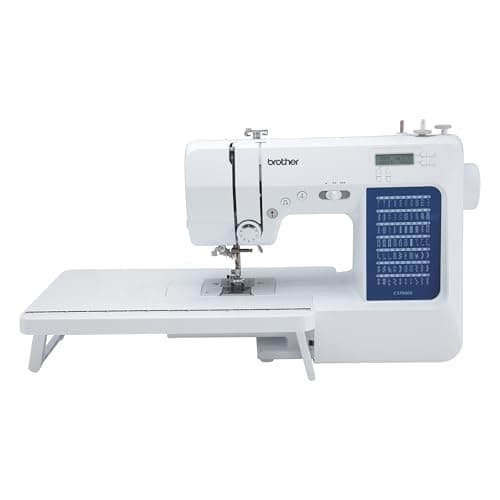 Brother CS7000XZipper foot, walking foot and wide table in the box, plus a speed slider for pivoting corners. | Best for pillows overall | 8.2 | |
| 2 | 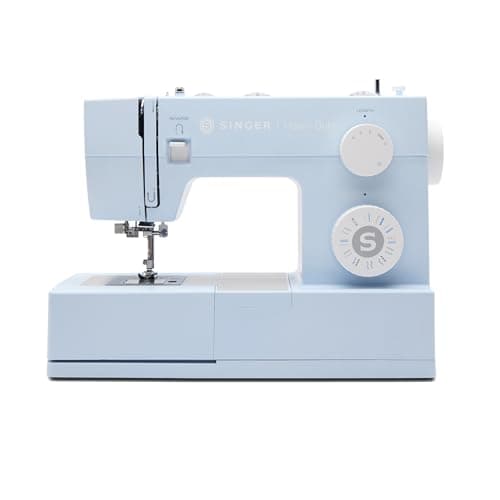 Singer Heavy Duty 4423Metal frame and an extra-high presser foot lift, for the corner where everything stacks up. | Best for decor-weight fabric and piping | 7.8 | |
| 3 | 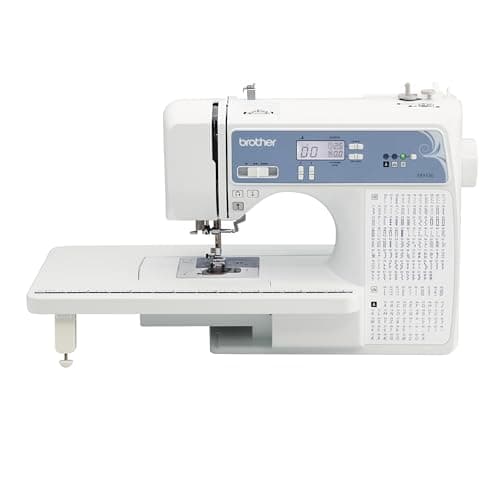 Brother XR9550Eight one-step buttonhole styles and a zipper foot, with the same wide table. | Best for button-back covers | 7.7 | |
| 4 | 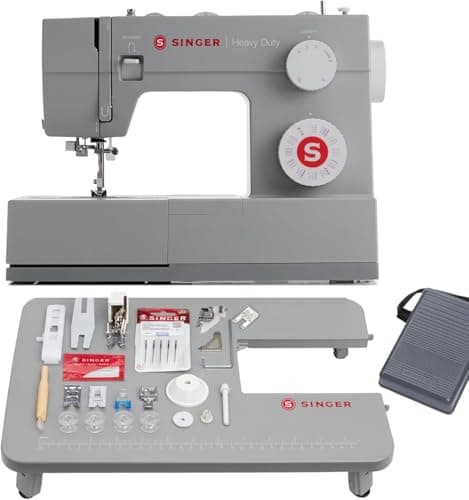 Singer Heavy Duty 4452Walking foot and slide-on extension table included, on the same metal frame. | Best for floor cushions and poufs | 7.7 | |
| 5 | 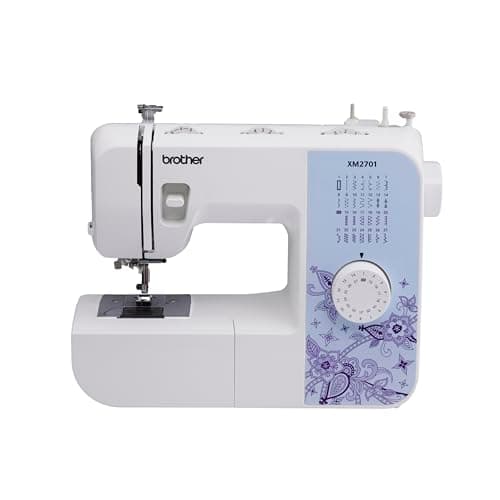 Brother XM2701A zipper foot and a one-step buttonhole at the bottom of the range. Light on thick corners. | Budget pick | 7.3 |
Prices shown are Amazon prices as of November 22, 2026 and can change.Scores are our editorial judgment on six axes, explained on the methodology page. We do not run a test lab and never claim to.
If cushion covers are the project, buy the Brother CS7000X. It is the pick for an unglamorous reason: a pillow cover is a zipper and four straight seams, and Brother lists a zipper foot and a walking foot among the ten feet in the carton along with the wide table — so the one accessory the project needs is already there, and nothing has to be ordered before you start. The speed-control slider is what gets you around a corner slowly. If the budget is the constraint, the Brother XM2701 is the budget pick and its six included feet also cover the zipper.
But here is the honest headline, and it is unusual for a page like this: a pillow cover is the easiest real sewing project there is, and almost any working machine will make one. The machine only starts to matter in two places. Prices sit inside the buy buttons, read from Amazon and dated.
What a cushion cover actually asks of a machine
Four straight seams in cotton is not a test of anything. The two places a cushion cover gets hard are the corner and the fabric.
The corner. On a piped cover with a zipper, the corner is where the piping cord, the piping's own seam allowance, the zipper tape, the front panel and the back panel all arrive at once. That is eight or more layers plus a cord, in decor-weight fabric, at the exact point you need to pivot. A light machine with a low presser foot lift either rides up over the lump and skips stitches or stalls and chews the fabric. That one inch of seam is the whole reason this page has a ranking rather than a shrug.
The fabric. Cushion covers are rarely made in quilting cotton. They are made in cotton duck, linen blend, velvet or an upholstery-weight woven, because that is what survives being sat on. Those fabrics are two to four times the weight of what a beginner machine is demonstrated on, and the machine needs a needle to match — which is a setting, not a purchase.
What matters for a cushion cover, and which machines here have it.
Our how to sew a zipper guide is the method for the only genuinely fiddly step, and presser feet explained covers why the zipper foot is shaped the way it is.
Best for pillows overall: Brother CS7000X
The CS7000X wins this page on contents and control. Brother's carton list includes a zipper foot, a walking foot, a blind stitch foot and a wide table among ten feet and accessories, which covers a zippered cover, a velvet cover and a blind-hemmed envelope cover without a single extra purchase. Seventy built-in stitches is more than this project will ever need, but the seven one-step buttonhole styles are there if you decide on a button-back closure. The feature that actually earns it the top slot is the speed-control slider: you can crawl the last inch into each corner and over the piping instead of hoping. The drop-in bobbin with a clear cover means you notice you are running out of bobbin thread before you are halfway down a seam.
Who should skip it. Anyone making covers in genuine upholstery fabric week after week — it is a metal frame in a light plastic shell, and repeated heavy work is what a Heavy Duty is for. Anyone who prefers dials to a menu. Our CS7000X review is the full version.
Best for decor-weight fabric and piping: Singer Heavy Duty 4423
If the cover is in cotton duck, a heavy linen blend or an upholstery woven — and especially if it is piped — the 4423 is the machine for the corner. A full metal interior frame and a stainless steel bedplate keep it planted instead of flexing, the extra-high presser foot lift gets over the piping-plus-zipper lump rather than climbing it, and 1,100 stitches per minute means the motor is not straining through the layers. Twenty-three stitches on dials, a one-step buttonhole and a top drop-in bobbin with a clear cover round it out. For a set of four heavy cushion covers it is a better buy than our top pick.
Who should skip it. Anyone who wants to work slowly or quietly. There is no speed limiter, so the slowest this machine goes is as slow as your foot can hold it, and it is loud — which is the wrong combination for easing around a cord if you have never done it. It is also the wrong machine for a silk or chiffon cover. Our Singer 4423 review and machines for upholstery cover the heavier end properly.
Best for button-back covers: Brother XR9550
A button-back cover is the alternative to a zipper, and it is the easier closure to sew well: a hem, a row of buttonholes, a row of buttons, no zipper tape in the seam at all. The XR9550 is the machine for it because Brother lists eight one-step buttonhole styles — the most of any machine in our registry — with an LCD to pick between them, a button sewing foot and a zipper foot among its eight feet, and the same oversized wide table as our top pick. Its 165 built-in stitches are mostly beside the point here; the buttonhole range and the table are not.
Who should skip it. Anyone who wants the CS7000X's speed slider, which this machine does not have and which matters at a corner. And anyone who will only ever sew zippered covers, because then the buttonhole range is a feature you paid for and will not use. Our CS7000X vs XR9550 comparison is the direct answer, and machines with a one-step buttonhole is the page if the closure is what you care about.
Best for floor cushions and poufs: Singer Heavy Duty 4452
A 24 inch floor cushion, a boxed bench pad or a pouf is a different job from a 16 inch scatter cushion: the panels are large, the gusset seams are long, and the fabric is invariably heavy. The 4452 is the same proven Heavy Duty platform as the 4423 with the two accessories this scale of work needs already in the box — an even-feed walking foot, which stops two heavy panels creeping apart down a long gusset, and a slide-on extension table, which gives the bulk somewhere to rest. Thirty-two stitches and a one-step buttonhole, on the same metal frame.
Who should skip it. Anyone who is only guessing they might sew heavy fabric. Mechanically this is the 4423 — you are paying for the accessory bundle, so the only honest question is whether you will use the walking foot and the table. If the answer is "probably not", buy the 4423 and spend the difference on fabric. Our Singer 4452 review and 4423 vs 4452 settle it.
Budget pick: Brother XM2701
The XM2701 is the cheapest machine we recommend for this project, and for a set of scatter cushions in quilting cotton or a light linen it is genuinely enough. Brother lists a zipper foot among its six included feet along with a narrow hemmer and a blind stitch foot, so both closures — zipper or hemmed envelope — are covered out of the box. Twenty-seven stitches, a one-step buttonhole, an automatic needle threader and a jam-resistant quick-set top drop-in bobbin.
Who should skip it. Anyone working in decor-weight fabric or adding piping. This is a light machine with a maximum of 800 stitches per minute and no speed limiter, and the piped corner is exactly where its plastic body shifts and the stitches get ragged. There is no wide table either, so a large cover hangs off the bed. Our Brother XM2701 review and best machines under $200 set the bracket. If you would rather have dials and decades of reliability at a similar price, the Janome 2212 is the mechanical answer, with no automatic threader and a four-step buttonhole as the cost.
Where this sits against our other pages
This page is about one project. If you are furnishing a whole room — curtains, blinds, table linen — machines for curtains and home decor is the roundup, and it is organized around long hems and yardage rather than corners. If the fabric is genuine upholstery and the job is recovering furniture, machines for upholstery is the right page and the picks get heavier. For bags, totes and anything with a boxed base, machines for bags and totes shares the thick-corner problem. And if you want to put initials on the finished cover, machines for monogramming is the new page for that.
The picks in full
01 - Best for pillows overall
Brother CS7000X
Does the fiddly parts for you so you can spend your energy learning to sew.
- 70 built-in stitches, 7 one-step buttonholes
- Automatic needle threader, drop-in top bobbin
- Speed-control slider
- Wide table and 10 presser feet included
- Get it if
- You want threading, buttonholes and stitch settings handled by the machine, and you might try quilting later - the wide table is already in the box.
- Skip it if
- You want physical dials instead of a menu, or you will be sewing canvas, upholstery or leather regularly.
The trade-off
A metal internal frame inside a light plastic shell. That makes it easy to carry and quiet on cottons and mid-weights; it is not built for heavy layers every day the way a Heavy Duty is.
How the Brother CS7000X scores
Our judgment on the six axes described on the methodology page. Not measurements - we do not run a test lab.
- Setup and threading
- 9/10
- Everyday stitch quality
- 8/10
- Thick fabric
- 6/10
- Beginner features
- 9/10
- Durability reputation
- 7/10
- Help for this exact model
- 10/10
Overall 8.2/10
02 - Best for decor-weight fabric and piping
Singer Heavy Duty 4423
Fast, sturdy and simple - the machine for denim hems and tote bags.
- Metal interior frame, stainless steel bedplate
- 1,100 stitches per minute
- 23 stitches (97 stitch applications), one-step buttonhole, automatic threader
- Top drop-in bobbin with a clear cover
- Extra-high presser foot lift for thick layers
- Get it if
- You want physical dials, you plan to sew jeans, canvas or several layers, and you do not mind a machine that is loud and quick.
- Skip it if
- You mostly want gentle control on light fabrics, or a quiet machine for an apartment.
The trade-off
Heavy duty means a metal frame and a fast motor, not an industrial machine. It handles denim well; real leather is still a struggle.
$239.99 · 15% off · price as of November 22, 2026
#ad - opens Amazon in a new tab. How we earn
How the Singer Heavy Duty 4423 scores
Our judgment on the six axes described on the methodology page. Not measurements - we do not run a test lab.
- Setup and threading
- 7/10
- Everyday stitch quality
- 8/10
- Thick fabric
- 9/10
- Beginner features
- 6/10
- Durability reputation
- 8/10
- Help for this exact model
- 9/10
Overall 7.8/10
03 - Best for button-back covers
Brother XR9550
More stitches and a bigger screen than the CS7000X, for the same job.
- 165 built-in stitches - 110 utility and decorative plus 55 alphanumeric
- 8 one-step buttonhole styles
- LCD display and stitch selection
- Wide table included
- Automatic threader, drop-in bobbin
- Get it if
- You want the CS7000X's convenience with a larger display and more decorative stitches.
- Skip it if
- You would rather put the difference toward fabric - you will use a fraction of the stitch library.
The trade-off
The extra stitches are decorative. The real difference from the CS7000X is the display, and the CS7000X's speed slider is arguably worth more to a beginner.
$269.99 · 15% off · price as of November 22, 2026
#ad - opens Amazon in a new tab. How we earn
How the Brother XR9550 scores
Our judgment on the six axes described on the methodology page. Not measurements - we do not run a test lab.
- Setup and threading
- 9/10
- Everyday stitch quality
- 8/10
- Thick fabric
- 6/10
- Beginner features
- 8/10
- Durability reputation
- 7/10
- Help for this exact model
- 8/10
Overall 7.7/10
04 - Best for floor cushions and poufs
Singer Heavy Duty 4452
The 4423 with a bigger accessory kit, including a walking foot.
- 32 built-in stitches (110 stitch applications), one-step buttonhole
- 1,100 stitches per minute
- Full metal interior frame, top drop-in bobbin
- Larger accessory set, including an even-feed walking foot
- Slide-on extension table for larger projects
- Get it if
- You already know you want the Heavy Duty platform and you would otherwise buy a walking foot and an extension table separately.
- Skip it if
- You are only guessing that you might sew heavy fabric - start with the 4423.
The trade-off
Mechanically it is the same machine as the 4423. You are buying accessories, so the only question is whether you will use them.
$299.99 · 22% off · price as of November 22, 2026
#ad - opens Amazon in a new tab. How we earn
How the Singer Heavy Duty 4452 scores
Our judgment on the six axes described on the methodology page. Not measurements - we do not run a test lab.
- Setup and threading
- 7/10
- Everyday stitch quality
- 8/10
- Thick fabric
- 9/10
- Beginner features
- 6/10
- Durability reputation
- 8/10
- Help for this exact model
- 8/10
Overall 7.7/10
05 - Budget pick
Brother XM2701
The find-out-if-I-actually-like-this machine.
- 27 stitches, one-step buttonhole
- Automatic needle threader, drop-in bobbin
- 6 presser feet included
- Light enough to carry to a class
- Get it if
- You are not sure sewing will stick and you want a real, capable machine without spending what a better one costs.
- Skip it if
- You already know you will sew every week, or you want speed control and a quilting table.
The trade-off
Lightweight and basic. It does everything a beginner needs - buttonholes, zippers, hems - but you will outgrow it sooner than the CS7000X.
$149.99 · 13% off · price as of November 22, 2026
#ad - opens Amazon in a new tab. How we earn
How the Brother XM2701 scores
Our judgment on the six axes described on the methodology page. Not measurements - we do not run a test lab.
- Setup and threading
- 9/10
- Everyday stitch quality
- 7/10
- Thick fabric
- 5/10
- Beginner features
- 7/10
- Durability reputation
- 6/10
- Help for this exact model
- 9/10
Overall 7.3/10
Questions beginners actually ask
What is the best sewing machine for pillows and cushion covers?
The Brother CS7000X. A cushion cover is a zipper and four straight seams, and Brother lists a zipper foot, a walking foot and a wide table in the carton, so nothing has to be bought before you start. Its speed-control slider is the feature that matters at a corner, where piping, zipper tape and seam allowances stack up. If your fabric is upholstery weight, the Singer Heavy Duty 4423 handles that corner better.
Can you make a cushion cover on a cheap sewing machine?
Yes, in light fabric. The Brother XM2701 includes a zipper foot and a one-step buttonhole, which covers both a zipped and a button-back cover in quilting cotton or light linen. Where a cheap machine struggles is decor-weight fabric with piping: at the corner the layers plus the cord are more than a light plastic body and a low presser foot lift handle cleanly.
Do you need a special foot to sew a pillow with a zipper?
You need a zipper foot, and it is a standard included accessory rather than a specialty purchase - the Brother CS7000X, XR9550 and XM2701 all list one in the box. Its narrow shape lets the needle stitch right alongside the zipper teeth, which an ordinary zigzag foot cannot reach. Piping uses the same foot.
What size should a cushion cover be compared to the pillow?
Finished about an inch smaller than the form in each direction - a 16 inch pillow form wants a cover finished to roughly 15 inches - so the cover looks plump rather than slack. Work out the finished size first, then add your seam allowance to that. Cutting the cover the same size as the form is the usual reason a first cushion looks limp.
What needle and thread do you use for cushion covers?
A 90/14 needle for decor-weight fabric such as cotton duck or a heavy linen blend, and an 80/12 for quilting cotton. Use polyester thread rather than cotton, because a cushion seam takes constant load from being sat on and leaned against. For velvet, add a walking foot so the two layers of pile do not creep against each other as you sew.
Sources
- Brother USA - CS7000X specifications and carton contents (included feet)
- Brother USA - XR9550 specifications (buttonhole styles, included feet)
- Brother USA - XM2701 specifications (included feet, maximum speed)
- Singer (manufacturer specifications)
- Janome America (manufacturer specifications)
Specifications are taken from manufacturer listings. We do not run a test lab and never claim to - how each machine is assessed is set out on our methodology page.
Read next
- Best sewing machines for curtains and home decor
The whole-room page, organized around long hems.
- Best sewing machines for upholstery
When the fabric stops being decor weight and starts being upholstery.
- How to sew a zipper
The one genuinely fiddly step in this project.
- Best sewing machines for bags and totes
The same thick-corner problem, on a different project.