Best For · Best upgrade picks
The best sewing machines for intermediate sewers
You have outgrown your first machine, or you think you have. Those are not the same thing.
By Michael W. · Published
Disclosure: this page contains affiliate links. As an Amazon Associate, StitchStarter earns from qualifying purchases at no extra cost to you. We do not display prices - they change daily, so every button opens the live listing. It never changes which machines we recommend. Full disclosure.
Quick picks
The short answer. Every pick is explained in full below, including who should skip it.
| # | Product | Best for | Score | Price |
|---|---|---|---|---|
| 1 | 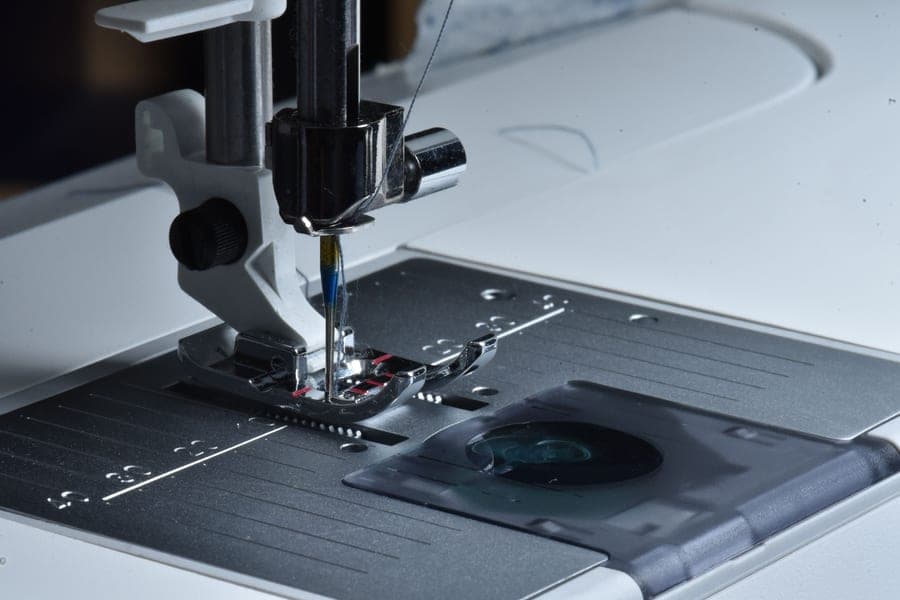 Brother XR9550More stitches, bigger display, wide table - a real step without a new system to learn. Brother XR9550More stitches, bigger display, wide table - a real step without a new system to learn. | Best upgrade from a basic Brother | 7.7 | |
| 2 |  Singer Heavy Duty 4452The Heavy Duty platform with the walking foot already in the box. Singer Heavy Duty 4452The Heavy Duty platform with the walking foot already in the box. | Best upgrade for heavy fabric | 7.7 | |
| 3 | 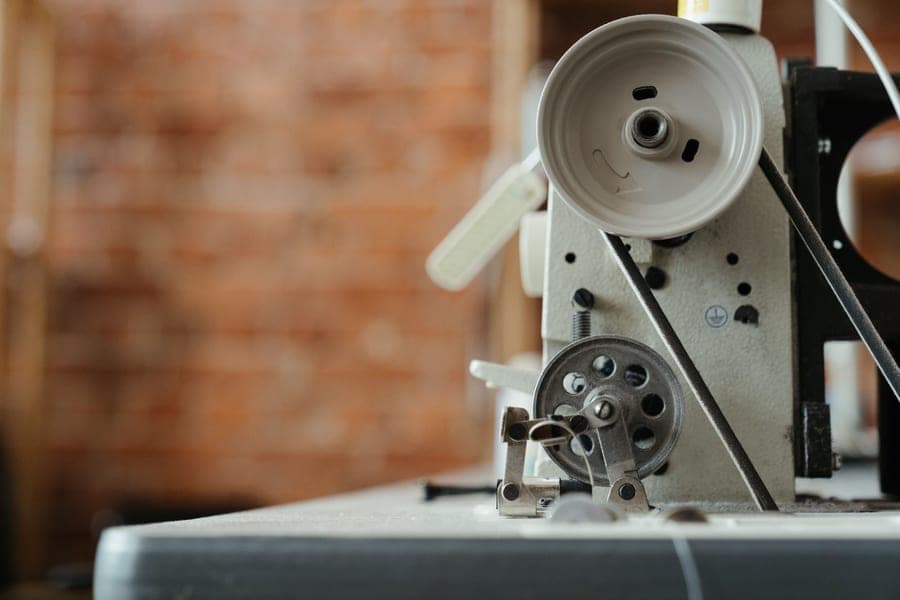 Janome 1522A one-step buttonhole and 22 stitches on a frame that outlives everything. Janome 1522A one-step buttonhole and 22 stitches on a frame that outlives everything. | Best upgrade for mechanical loyalists | 7.5 | |
| 4 |  Brother SE725Not a better sewing machine - a sewing machine that also embroiders. Brother SE725Not a better sewing machine - a sewing machine that also embroiders. | Best if you want a new capability | 7.3 |
Scores are our editorial judgment on six axes, explained on the methodology page. We do not run a test lab and never claim to.
If you are upgrading from a basic computerized machine, the CS7000X-family step up to the Brother XR9550 is the straightforward answer: more stitches, a larger display, the wide table included, and nothing new to re-learn. But the more useful answer is the uncomfortable one - most intermediate sewers who feel limited by their machine are actually limited by their accessories, and a hundred-dollar foot kit would solve it.
This page is written to help you tell those two situations apart before you spend.
The four limits that are really the machine
Thick fabric that stalls it. If your machine physically cannot get through what you are sewing - the motor bogs down, the needle deflects, the body skids - that is a frame and motor problem and no accessory fixes it. This is the most legitimate reason to upgrade.
No drop feed, and you want to free-motion quilt. Either the feed dogs lower or they do not. Some machines offer a cover plate instead, which works less well. If free-motion is now central to what you make, this is real.
Throat space. The gap between needle and machine body limits how much rolled-up quilt you can physically fit through. Beginner machines are small here and there is no workaround. See our guide to throat space for how much it really costs you.
Speed. If you are sewing long production runs - market stock, curtains for a whole house - a 1,100-stitch-per-minute machine finishes in noticeably less time than a 750 one. For everyone else this is a vanity spec.
The limits that are not the machine
Puckered seams on knits are usually a needle and a stitch choice - a ballpoint needle and a narrow zigzag or stretch stitch. Wavy hems are usually a walking foot. Ugly topstitching is usually a thread weight and a longer stitch length. Layers shifting against each other is a walking foot. Tension that wanders is usually a rethread; our tension guide works through it symptom by symptom.
None of those get better on a more expensive machine, which is why the most common upgrade story is a sewer who buys a new machine, has the same problem, and concludes they are bad at sewing.
The four upgrades, compared
Manufacturer-published specifications.
Three of those four are lateral moves dressed as upgrades, and we would rather say so. The XR9550 over the CS7000X buys you a display and stitches you will not use. The 4452 over the 4423 buys you an accessory kit. The 1522 over the 2212 buys you a buttonhole. Only the SE725 adds a capability you did not have - and it adds it by being a different kind of machine, not a better one.
The case for a second machine instead
Intermediate sewers often do better with two machines than one better one. Keep your light computerized machine for garments and detail work, and add a metal-framed mechanical for denim, bags and canvas. Two machines at the beginner tier cover more ground than one machine at twice the price, because the thing limiting you was never quality - it was that one machine cannot be both light and heavy.
The same logic applies to embroidery. A combination machine is a compromise at both jobs. If embroidery becomes serious, a dedicated embroidery machine alongside your existing sewing machine beats replacing it with a hybrid - see sewing machine vs embroidery machine.
The picks in full
01 - Best upgrade from a basic Brother
Brother XR9550
More stitches and a bigger screen than the CS7000X, for the same job.
- 110 built-in stitches, 8 one-step buttonhole styles
- LCD display and stitch selection
- Wide table included
- Automatic threader, drop-in bobbin
- Get it if
- You want the CS7000X's convenience with a larger display and more decorative stitches.
- Skip it if
- You would rather put the difference toward fabric - you will use a fraction of the stitch library.
The trade-off
The extra stitches are decorative. The real difference from the CS7000X is the display, and the CS7000X's speed slider is arguably worth more to a beginner.
#ad - opens Amazon in a new tab. How we earn
How the Brother XR9550 scores
Our judgment on the six axes described on the methodology page. Not measurements - we do not run a test lab.
- Setup and threading
- 9/10
- Everyday stitch quality
- 8/10
- Thick fabric
- 6/10
- Beginner features
- 8/10
- Durability reputation
- 7/10
- Help for this exact model
- 8/10
Overall 7.7/10
02 - Best upgrade for heavy fabric
Singer Heavy Duty 4452
The 4423 with a bigger accessory kit, including a walking foot.
- 32 built-in stitches, one-step buttonhole
- 1,100 stitches per minute
- Metal interior frame
- Larger accessory set, including an even-feed walking foot
- Get it if
- You already know you want the Heavy Duty platform and you would otherwise buy a walking foot separately.
- Skip it if
- You are only guessing that you might sew heavy fabric - start with the 4423.
The trade-off
Mechanically it is the same machine as the 4423. You are buying accessories, so the only question is whether you will use them.
#ad - opens Amazon in a new tab. How we earn
How the Singer Heavy Duty 4452 scores
Our judgment on the six axes described on the methodology page. Not measurements - we do not run a test lab.
- Setup and threading
- 7/10
- Everyday stitch quality
- 8/10
- Thick fabric
- 9/10
- Beginner features
- 6/10
- Durability reputation
- 8/10
- Help for this exact model
- 8/10
Overall 7.7/10
03 - Best upgrade for mechanical loyalists
Janome 1522
A step up the mechanical ladder - more stitches, same build.
- 22 built-in stitches
- One-step buttonhole
- Drop feed
- Mechanical build quality in the Janome tradition
- Get it if
- You like what the 2212 stands for but want a one-step buttonhole and a wider stitch range.
- Skip it if
- You want an automatic needle threader, or you are buying on price - the 2212 is the value pick in the line.
The trade-off
You pay a clear premium for the buttonhole and the extra stitches. Whether that is worth it depends entirely on how many buttonholes you expect to sew.
#ad - opens Amazon in a new tab. How we earn
How the Janome 1522 scores
Our judgment on the six axes described on the methodology page. Not measurements - we do not run a test lab.
- Setup and threading
- 6/10
- Everyday stitch quality
- 9/10
- Thick fabric
- 7/10
- Beginner features
- 6/10
- Durability reputation
- 10/10
- Help for this exact model
- 6/10
Overall 7.5/10
04 - Best if you want a new capability
Brother SE725
The SE700 with the newer wireless and app workflow.
- 103 sewing stitches, 135 built-in embroidery designs
- 4 x 4 inch embroidery field
- Color touchscreen with wireless design transfer
- Automatic threader, drop-in bobbin
- Get it if
- You want the same machine as the SE700 and the SE725 is the one currently stocked.
- Skip it if
- The SE700 is cheaper on the day - the sewing and embroidery hardware is the same.
The trade-off
This is a refresh, not a redesign. The embroidery field is still 4 x 4 inches, which is the limit you will actually run into.
#ad - opens Amazon in a new tab. How we earn
How the Brother SE725 scores
Our judgment on the six axes described on the methodology page. Not measurements - we do not run a test lab.
- Setup and threading
- 8/10
- Everyday stitch quality
- 8/10
- Thick fabric
- 5/10
- Beginner features
- 8/10
- Durability reputation
- 7/10
- Help for this exact model
- 7/10
Overall 7.3/10
Questions beginners actually ask
What is the best sewing machine for an intermediate sewer?
The Brother XR9550 if you are stepping up from a basic computerized machine, or the Singer Heavy Duty 4452 if thick fabric is what stops you. Both are genuine improvements in a narrow way. Neither will fix puckered knits, wavy hems or shifting layers, which are needle, foot and pressing problems rather than machine problems.
When should you upgrade from a beginner sewing machine?
When you can name a specific project your machine physically could not finish - it stalled on the fabric, it had no drop feed for free-motion, or the quilt would not fit through the throat. Those are real machine limits. Stitch count, screen size and decorative patterns are not.
Is it better to buy one good machine or two cheaper ones?
For intermediate sewers, often two. A light computerized machine for garments plus a metal-framed mechanical for denim and bags covers more ground than a single mid-range machine, because no one machine is both light and heavy-capable.
Will a more expensive machine make my sewing better?
Not usually. The common intermediate frustrations - puckering on knits, wavy hems, uneven topstitching, layers shifting - come from needle choice, presser feet, thread weight and pressing. All of them follow you to a new machine.
Should an intermediate sewer get a serger?
Before a better sewing machine, often yes - a serger finishes seams in a way no sewing machine imitates, and it changes how handmade clothes look and last. It is an addition rather than a replacement. Our serger guide covers whether you are at that point.
Sources
Specifications are taken from manufacturer listings. We do not run a test lab and never claim to - how each machine is assessed is set out on our methodology page.
Read next
- Do you need a serger?
Often the better second purchase.
- Sewing machine throat space explained
- Brother CS7000X vs Brother XR9550
Whether the obvious upgrade is worth it.
- New vs used sewing machines