Help
When the sewing machine will not sew
Three different problems get described the same way. Work out which one you have first.
By Michael W. · Published
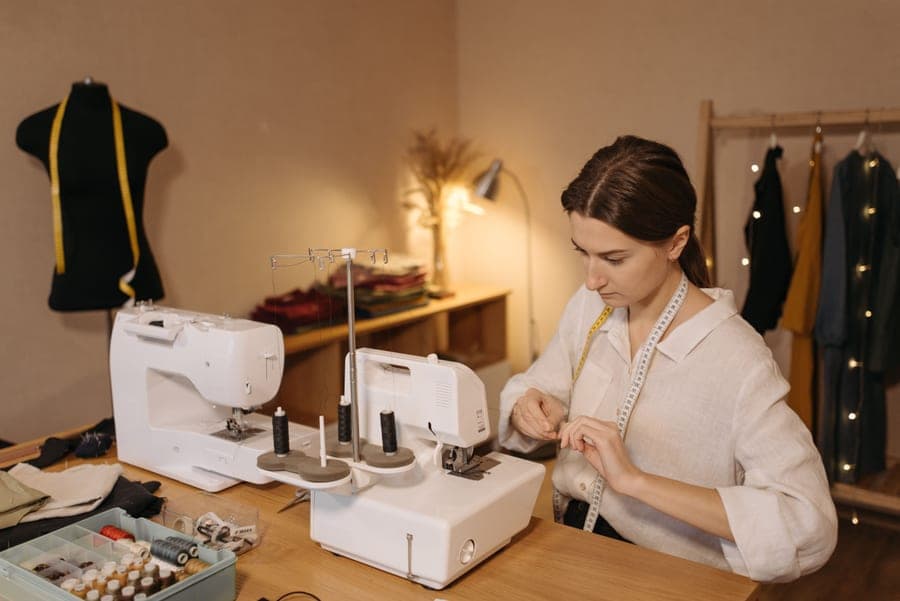
“It will not sew” covers three genuinely different problems, and confusing them wastes an afternoon. Work out which you have before you start fixing.
1. Nothing happens at all
The pedal does nothing and the machine is silent.
The bobbin winder is by far the most common answer, and the most invisible. Push the spindle back to the left.
2. The needle moves but no stitch forms
The machine runs, the needle goes up and down, and nothing happens to the fabric.
Is there a bobbin in it, with thread on it? Obvious, and it happens.
Is the needle in backwards or not pushed fully up? Both prevent the hook picking up the top thread. Flat side to the back, pushed all the way in.
Is the top thread actually through the needle? Follow it with your fingers from the spool.
Are the feed dogs dropped? If the drop feed control is engaged, the fabric does not move - see when the machine will not move the fabric.
3. The motor hums but nothing turns
This one is worth taking seriously. Switch the machine off at the wall before investigating.
Thread jammed in the bobbin race. The most common cause. Remove the needle plate and the bobbin, and cut the jammed thread out carefully rather than pulling.
The hand wheel clutch is disengaged. On many machines the center of the hand wheel turns to disengage the needle for bobbin winding. Turn it back until it tightens.
Genuinely seized. If the hand wheel will not turn by hand after you have cleared any jam, stop. Forcing it damages the machine. That is a repair shop.
When to stop and get help
A grinding or knocking noise. A hand wheel that will not turn after clearing a jam. A burning smell or any intermittent electrical behavior. Stitching that is still wrong after a new needle, a full rethread and a clean.
Everything short of that is usually threading, the needle or lint - and regular maintenance prevents most of it.
Questions beginners actually ask
Why will my sewing machine not sew at all?
Check the power switch, that the foot pedal is fully plugged in, and - most commonly - that the bobbin winder spindle is pushed back to the left. A machine left in bobbin-winding mode runs the winder rather than the needle, and it is the least visible cause.
The needle moves but no stitch forms. Why?
Usually the needle is in backwards or not pushed fully up into the holder, so the hook cannot pick up the top thread. Also check there is a threaded bobbin in place and that the top thread actually passes through the needle eye.
My machine hums but nothing turns. What should I do?
Switch it off at the wall. The usual cause is thread jammed in the bobbin race - remove the needle plate and cut the thread out rather than pulling. Also check the hand wheel clutch has not been left disengaged from bobbin winding. If the wheel still will not turn, stop and get it repaired.
When should I take a sewing machine to a repair shop?
Grinding or knocking noises, a hand wheel that will not turn after you have cleared a jam, any burning smell or intermittent electrical behavior, or stitching that is still wrong after a new needle, a full rethread and a clean.
Sources
Specifications are taken from manufacturer listings. We do not run a test lab and never claim to - how each machine is assessed is set out on our methodology page.