Compare · Stitches vs strength
Brother XR9550 vs Singer Heavy Duty 4452
A hundred and ten stitches against a metal frame. These machines are not competing - they are answering different questions.
By Michael W. · Published
Disclosure: this page contains affiliate links. As an Amazon Associate, StitchStarter earns from qualifying purchases at no extra cost to you. We do not display prices - they change daily, so every button opens the live listing. It never changes which machines we recommend. Full disclosure.
Quick picks
The short answer. Every pick is explained in full below, including who should skip it.
| # | Product | Best for | Score | Price |
|---|---|---|---|---|
| 1 | Brother XR9550LCD, 110 stitches, automatic threader, wide table included. | Best for clothes and quilting | 7.7 | |
| 2 | 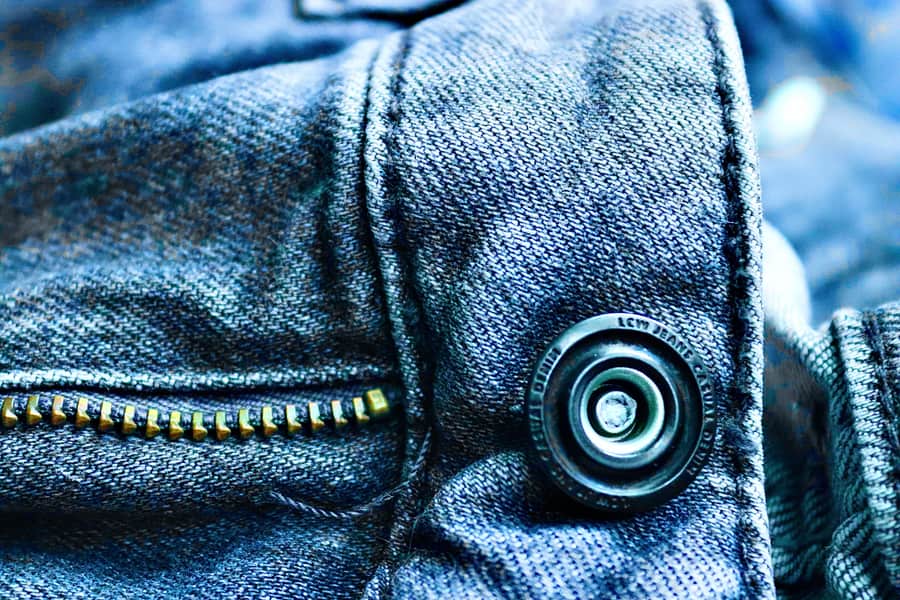 Singer Heavy Duty 4452Metal frame, extra-high lift, walking foot in the accessory box. Singer Heavy Duty 4452Metal frame, extra-high lift, walking foot in the accessory box. | Best for thick fabric | 7.7 | |
| 3 |  Brother CS7000XSame conveniences plus the speed slider the XR9550 lacks. Brother CS7000XSame conveniences plus the speed slider the XR9550 lacks. | The better Brother for most beginners | 8.2 |
Scores are our editorial judgment on six axes, explained on the methodology page. We do not run a test lab and never claim to.
Buy the Brother XR9550 if you will mostly sew clothes, cotton and quilts, and the Singer Heavy Duty 4452 if you will mostly sew denim, canvas, upholstery weight or bags. The XR9550 is the easier and more versatile machine; the 4452 is the one that does not flinch at thickness.
If you are genuinely torn, the honest answer is a third machine: the Brother CS7000X has the XR9550’s conveniences plus a speed-control slider the XR9550 does not have, and it is the better first machine for most people reading this.
At a glance
Specifications as published by each manufacturer.
Ignore the 110. Decorative stitches are the cheapest thing a manufacturer can add to a computerized machine, and most owners settle on five or six within a month. What the XR9550 genuinely gives you is the LCD, the visible bobbin and the wide table. What the 4452 genuinely gives you is the frame, the lift and the walking foot.
Thick fabric
The 4452, and it is not close. Its metal interior frame keeps the needle, feed dogs and bobbin case in alignment under load instead of flexing, and keeps the machine planted on the table instead of skidding. Its presser foot lifts higher than standard, so folded layers physically fit underneath. Its motor has the momentum to carry a size 16 needle through them.
It also ships with an even-feed walking foot, which is the accessory that stops the top layer creeping ahead of the bottom one when you topstitch. On a lined tote or a hemmed curtain that is the difference between a square finish and a crooked one - our bag making roundup explains the mechanism.
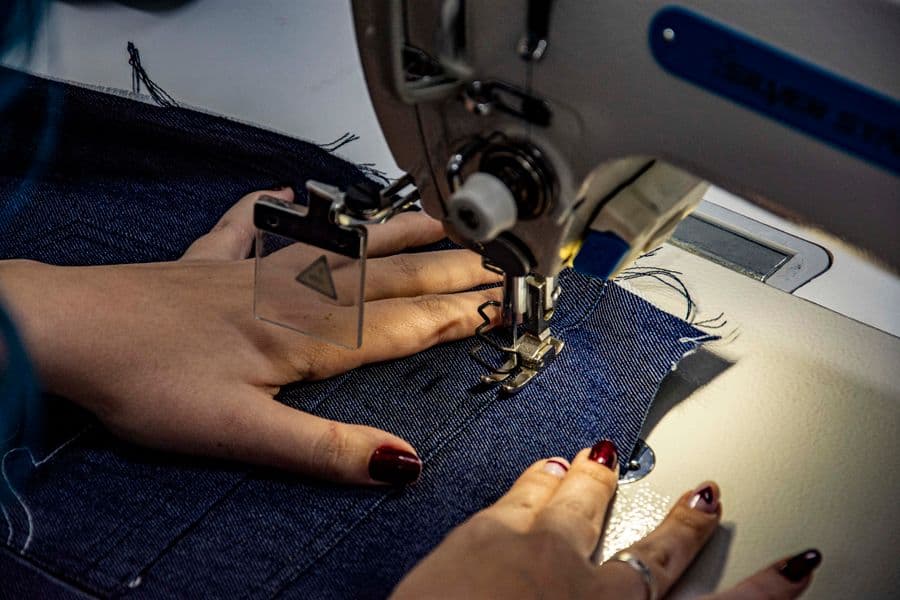
The XR9550 in a mostly plastic body will hem light denim and sew a lined tote slowly. At the crossing seam it will skip stitches or walk sideways. That is not a defect; it is a different machine.
Clothes, cotton and quilts
The XR9550, for three reasons that have nothing to do with the stitch count.
Its bobbin drops in under a clear cover, so you can see whether it is seated - which removes the most common beginner fault. Its eight buttonhole styles are genuinely useful on garments, where a keyhole or a stretch buttonhole is sometimes the right one. And it comes with a wide extension table, which is what stops a quilt sliding off the right-hand side of the machine while you sew it.
The 4452 has a front-loading bobbin, one buttonhole, and no table. It is also loud, with a slowest speed that is still fairly fast - a real disadvantage when you are steering a sleeve.
Screen or dials
This is preference rather than quality, and it is worth taking seriously because it decides how the machine feels every single time you use it.
The XR9550’s LCD shows the stitch, its recommended width and length and the foot to fit. That is helpful, and it is also a thing to navigate. The 4452’s dials show you every setting at once, with nothing to scroll - and nothing to help you either. Our mechanical vs computerized guide is the longer version of this argument.
Which one lasts
The 4452, on build. A metal frame and simple mechanical controls have less to flex and less to fail than a plastic chassis with a circuit board. The XR9550 is a perfectly durable machine for the work it is meant for; it is just not the one you expect to still be hemming canvas in fifteen years. Our lifespan guide makes the case that maintenance decides more of this than either spec sheet does.
All three machines
The two in the comparison, plus the Brother that answers most first-machine versions of this question.
Brother XR9550
LCD, 110 stitches, eight buttonhole styles, visible bobbin and a wide table in the box.
Skip it if You would rather put the difference toward fabric - you will use a fraction of the stitch library.
Singer Heavy Duty 4452
Metal frame, extra-high foot lift and the even-feed walking foot already included.
Skip it if You are only guessing that you might sew heavy fabric - start with the 4423.
Brother CS7000X
The same conveniences as the XR9550 plus a speed-control slider for your first month.
Skip it if You want physical dials instead of a menu, or you will be sewing canvas, upholstery or leather regularly.
#ad - buy links go to Amazon and earn us a commission at no extra cost to you. Full disclosure.
The picks in full
01 - Best for clothes and quilting
Brother XR9550
More stitches and a bigger screen than the CS7000X, for the same job.
- 110 built-in stitches, 8 one-step buttonhole styles
- LCD display and stitch selection
- Wide table included
- Automatic threader, drop-in bobbin
- Get it if
- You want the CS7000X's convenience with a larger display and more decorative stitches.
- Skip it if
- You would rather put the difference toward fabric - you will use a fraction of the stitch library.
The trade-off
The extra stitches are decorative. The real difference from the CS7000X is the display, and the CS7000X's speed slider is arguably worth more to a beginner.
#ad - opens Amazon in a new tab. How we earn
How the Brother XR9550 scores
Our judgment on the six axes described on the methodology page. Not measurements - we do not run a test lab.
- Setup and threading
- 9/10
- Everyday stitch quality
- 8/10
- Thick fabric
- 6/10
- Beginner features
- 8/10
- Durability reputation
- 7/10
- Help for this exact model
- 8/10
Overall 7.7/10
02 - Best for thick fabric
Singer Heavy Duty 4452
The 4423 with a bigger accessory kit, including a walking foot.
- 32 built-in stitches, one-step buttonhole
- 1,100 stitches per minute
- Metal interior frame
- Larger accessory set, including an even-feed walking foot
- Get it if
- You already know you want the Heavy Duty platform and you would otherwise buy a walking foot separately.
- Skip it if
- You are only guessing that you might sew heavy fabric - start with the 4423.
The trade-off
Mechanically it is the same machine as the 4423. You are buying accessories, so the only question is whether you will use them.
#ad - opens Amazon in a new tab. How we earn
How the Singer Heavy Duty 4452 scores
Our judgment on the six axes described on the methodology page. Not measurements - we do not run a test lab.
- Setup and threading
- 7/10
- Everyday stitch quality
- 8/10
- Thick fabric
- 9/10
- Beginner features
- 6/10
- Durability reputation
- 8/10
- Help for this exact model
- 8/10
Overall 7.7/10
03 - The better Brother for most beginners
Brother CS7000X
Does the fiddly parts for you so you can spend your energy learning to sew.
- 70 built-in stitches, 7 one-step buttonholes
- Automatic needle threader, drop-in top bobbin
- Speed-control slider
- Wide table and 10 presser feet included
- Get it if
- You want threading, buttonholes and stitch settings handled by the machine, and you might try quilting later - the wide table is already in the box.
- Skip it if
- You want physical dials instead of a menu, or you will be sewing canvas, upholstery or leather regularly.
The trade-off
Light and mostly plastic. That makes it easy to carry and quiet on cottons and mid-weights; it is not built for heavy layers every day.
#ad - opens Amazon in a new tab. How we earn
How the Brother CS7000X scores
Our judgment on the six axes described on the methodology page. Not measurements - we do not run a test lab.
- Setup and threading
- 9/10
- Everyday stitch quality
- 8/10
- Thick fabric
- 6/10
- Beginner features
- 9/10
- Durability reputation
- 7/10
- Help for this exact model
- 10/10
Overall 8.2/10
Questions beginners actually ask
Is the Brother XR9550 or Singer 4452 better for a beginner?
The XR9550, unless thick fabric is the plan. Its drop-in bobbin is visible, its LCD recommends settings, and it includes a wide table. The 4452 is louder, has a front-loading bobbin and no slow speed, and earns its place only on denim, canvas and bags.
Does the Brother XR9550 really have 110 useful stitches?
No. About six stitches cover nearly everything most sewers do, and the rest are decorative patterns that are cheap for a manufacturer to add. The XR9550's real advantages over a basic machine are the LCD, the eight buttonhole styles and the wide table.
Can the Brother XR9550 sew denim?
Light to medium denim in a single layer, with a size 16 needle and a slower pass. At the point where two folded hems cross it will skip stitches or shift on the table, because the body is mostly plastic. The 4452's metal frame is what that seam needs.
Is the walking foot on the Singer 4452 worth the price difference?
Only if you will use it. A walking foot has its own feed mechanism on top, so both layers advance together - which matters for topstitching bags, lined curtains and quilting through batting. If none of that is on your list, the 4423 is the same machine for less.
Which one is quieter?
The XR9550, clearly. The 4452 pairs a 1,100-stitch-per-minute motor with a metal frame that carries the sound, and its slowest speed is still quick. In a flat or a shared room that difference matters more than any specification.
Sources
Specifications are taken from manufacturer listings. We do not run a test lab and never claim to - how each machine is assessed is set out on our methodology page.